Naval ·
US Navy Revitalizes Laser Weapon Technology for Unmanned Defense
The U.S. Navy has successfully revived its 150 kW laser weapon, enhancing its capabilities for countering aerial threats, including drones.
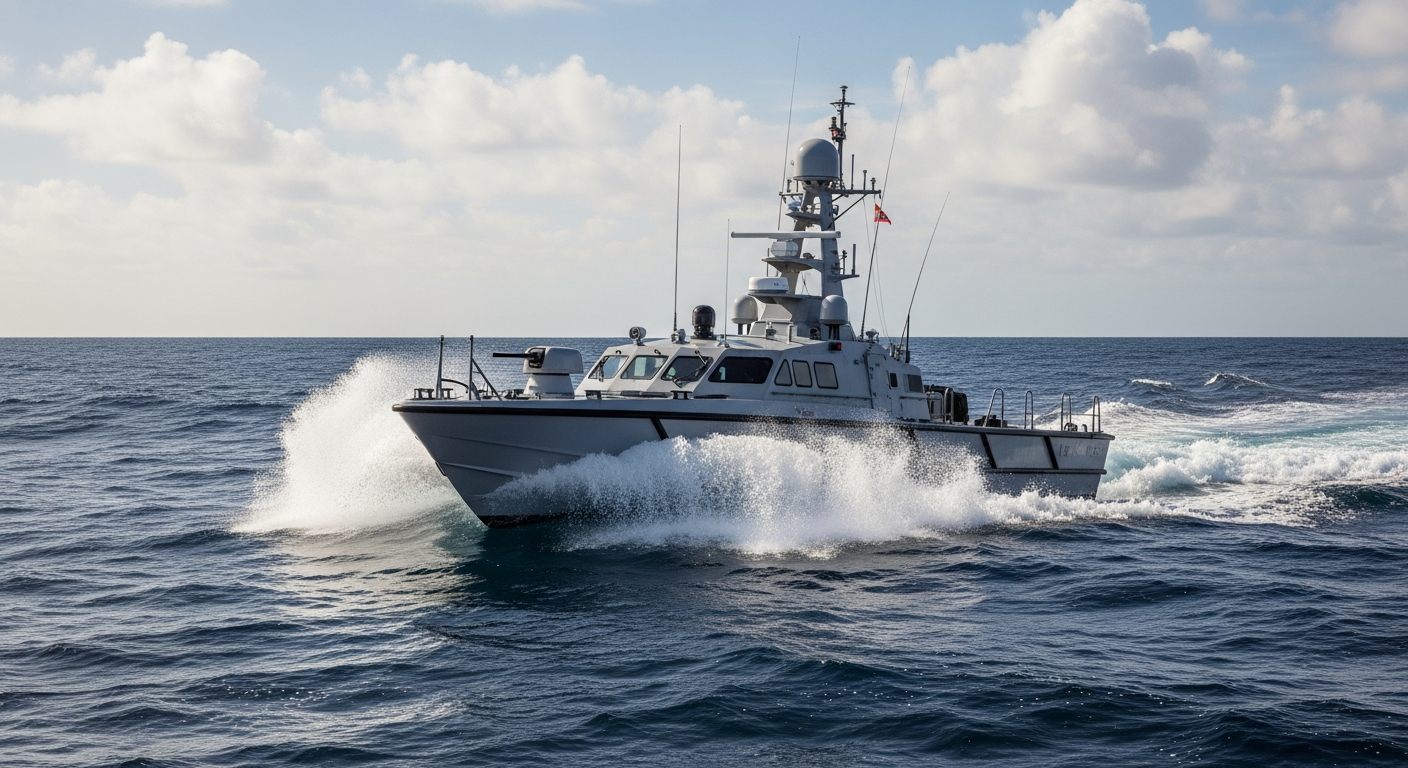
In a notable development for naval operations, the U.S. Navy has brought back into service its unique 150 kW laser weapon, a system that had previously seen limited use. This revitalization comes at a time when the Navy is increasingly focused on integrating advanced technologies into its defense strategy, particularly to address the threats posed by unmanned aerial vehicles (UAVs) and other small-scale aerial threats.
Lasers represent a transformative technology for naval defense, offering precision strike capabilities with minimal collateral damage. The ability to engage UAVs at the speed of light provides a tactical advantage, especially in environments where traditional munitions may be less effective. As drone technology evolves, so too must the countermeasures employed by naval forces. The laser weapon serves as a cost-effective alternative to traditional missiles, as it allows for virtually unlimited engagements, limited only by the power supply of the ship.
The Navy's renewed focus on laser technology aligns with broader trends in military modernization, where unmanned systems play an increasingly critical role. As adversaries develop their own drone capabilities, the U.S. Navy recognizes the necessity of adapting its defense systems to counter these emerging threats effectively. This includes not only the laser weapon systems but also the integration of unmanned aerial and surface vehicles that can work in tandem with these advanced technologies.
Furthermore, this development raises questions about the future of naval warfare, where laser systems may become a standard component of naval fleets. The versatility of laser weapons, combined with their ability to be deployed on various platforms, suggests that they will play a crucial role in future maritime operations. As the Navy continues to test and deploy these systems, they will likely inform the development of new tactics and strategies for engaging aerial threats in contested environments.
In summary, the revival of the Navy's 150 kW laser weapon signifies a strategic shift towards more advanced, efficient countermeasures against UAVs and other aerial threats. As the integration of unmanned systems and laser technology progresses, the Navy is poised to enhance its operational effectiveness in defending against an array of aerial challenges.