Naval ·
US Navy Launches Phase II for Medium Unmanned Surface Vessel Project
The U.S. Navy is advancing its efforts to develop medium unmanned surface vessels (MUSVs) capable of extended operations at sea, seeking innovative solutions as part of its Phase II initiative.
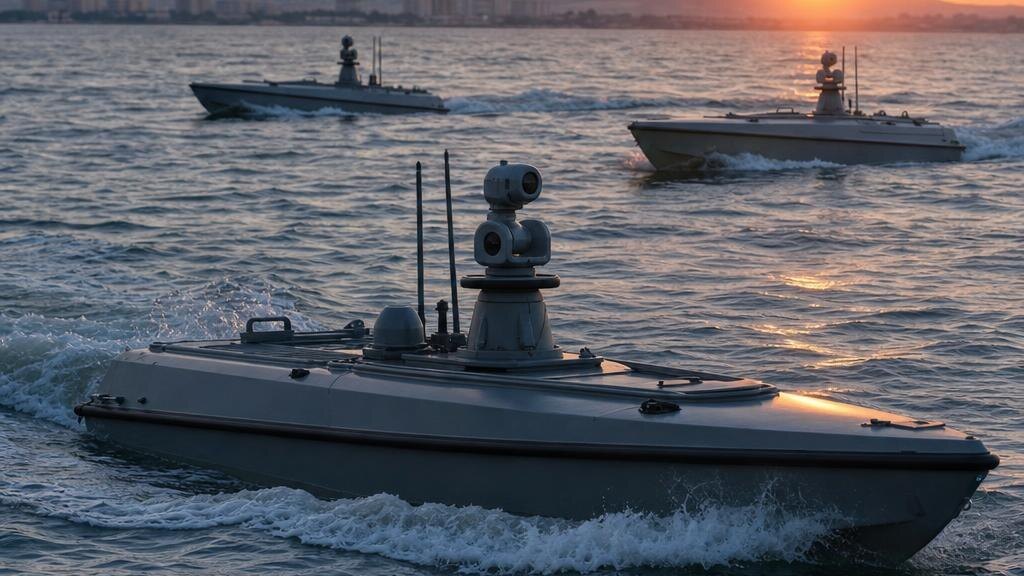
The U.S. Navy recently announced the commencement of Phase II for its Medium Unmanned Surface Vessel (MUSV) project, which aims to enhance maritime capabilities through the development of autonomous vessels designed for extended operations. This initiative is part of a broader strategy to integrate unmanned systems into naval operations, reflecting the growing recognition of the need for flexibility and adaptability in modern warfare. The Navy's requirements for these MUSVs include the ability to operate autonomously for up to ten days while carrying two shipping containers, which could serve a variety of logistical and combat roles.
The MUSV project is a significant step in the Navy's ongoing push to modernize its fleet and reduce reliance on manned vessels. Unmanned surface vessels can perform a range of missions, including surveillance, reconnaissance, and logistical support, while minimizing risk to personnel. The introduction of these systems is particularly timely, given the increasing complexity of maritime security challenges, including threats from peer competitors and non-state actors. By leveraging unmanned technology, the Navy aims to maintain operational superiority in contested environments, where traditional naval assets may be vulnerable.
In operational terms, the MUSVs are expected to enhance situational awareness and extend the reach of U.S. naval forces. The ability to deploy autonomous vessels that can operate independently or in conjunction with manned ships adds a layer of flexibility to mission planning and execution. This capability is crucial for maintaining maritime security in regions such as the Indo-Pacific, where tensions with adversarial nations like China are intensifying. The MUSVs will also support the Navy's Distributed Maritime Operations (DMO) concept, which emphasizes the need for dispersed naval forces that can operate effectively across vast areas.
Technologically, the Navy's approach to MUSVs involves collaboration with industry partners to foster innovation. The Phase II initiative seeks "innovative solutions" from various defense contractors, which underscores the Navy's commitment to harnessing the expertise of the private sector in developing cutting-edge technologies. This collaborative model not only accelerates the development process but also encourages the integration of advanced systems and capabilities that can enhance the performance of unmanned vessels. Such partnerships are essential as they bring in diverse perspectives and specialized knowledge that can lead to breakthroughs in areas such as artificial intelligence, machine learning, and autonomous systems.
However, the transition to a more unmanned naval force is not without its challenges. There are significant technical and operational hurdles that must be overcome, including the development of robust autonomous navigation systems, effective communication links, and reliable power sources for extended missions. The Navy must also consider the implications of operating vessels that may not have human operators onboard, particularly in terms of decision-making processes in high-stakes environments. Additionally, integrating these vessels into existing naval operations requires careful consideration of command and control protocols, as well as the need for interoperability with manned vessels and allied forces.
Moreover, the strategic implications of deploying MUSVs extend beyond immediate operational capabilities. The introduction of unmanned surface vessels reflects a broader shift in naval warfare, where traditional paradigms are being redefined by technological advancements. As adversaries also invest in unmanned systems, the U.S. Navy must remain vigilant and adaptive, ensuring that its capabilities keep pace with emerging threats. This necessitates ongoing investment in research and development, as well as a commitment to training personnel who can operate and maintain these advanced systems. The potential for adversaries to develop countermeasures against unmanned systems also raises questions about the long-term viability of such technologies in naval warfare.
As the Navy moves forward with the MUSV project, several key questions remain unresolved. How will these vessels be integrated into existing fleet operations? What specific roles will they play in various mission scenarios? Additionally, how will the Navy address the potential vulnerabilities associated with unmanned systems, particularly in terms of cybersecurity and electronic warfare? These are critical considerations that will shape the future of naval operations in an increasingly complex maritime environment. The Navy must develop robust strategies to mitigate risks associated with cyber threats, especially as reliance on digital systems increases.
The operational deployment of MUSVs also raises questions about their effectiveness in real-world scenarios. While the technology promises to enhance capabilities, the actual performance of these vessels in contested environments remains to be seen. Factors such as environmental conditions, enemy countermeasures, and the evolving nature of naval warfare will all play a significant role in determining the success of MUSVs. The Navy's ability to adapt and refine its operational concepts based on lessons learned from initial deployments will be crucial for maximizing the utility of these unmanned systems.
In conclusion, the Navy's Phase II initiative for the Medium Unmanned Surface Vessel project represents a significant advancement in the integration of unmanned systems into naval operations. As the service seeks to enhance its capabilities in an era of evolving threats, the successful development and deployment of MUSVs could provide a crucial advantage in maintaining maritime security and operational readiness. The ongoing collaboration with industry partners will be vital in overcoming the challenges ahead, ensuring that the Navy remains at the forefront of technological innovation in maritime warfare. The successful execution of this initiative could set a precedent for future naval operations, potentially transforming how the Navy conducts missions in contested environments.