Naval ·
US Navy Expands Unmanned Warfare Capabilities with New Anti-Ship Systems
During recent naval exercises, the US Navy showcased its advanced unmanned boats and precision-guided anti-ship cruise missiles, indicating a significant leap in its maritime strike capabilities.
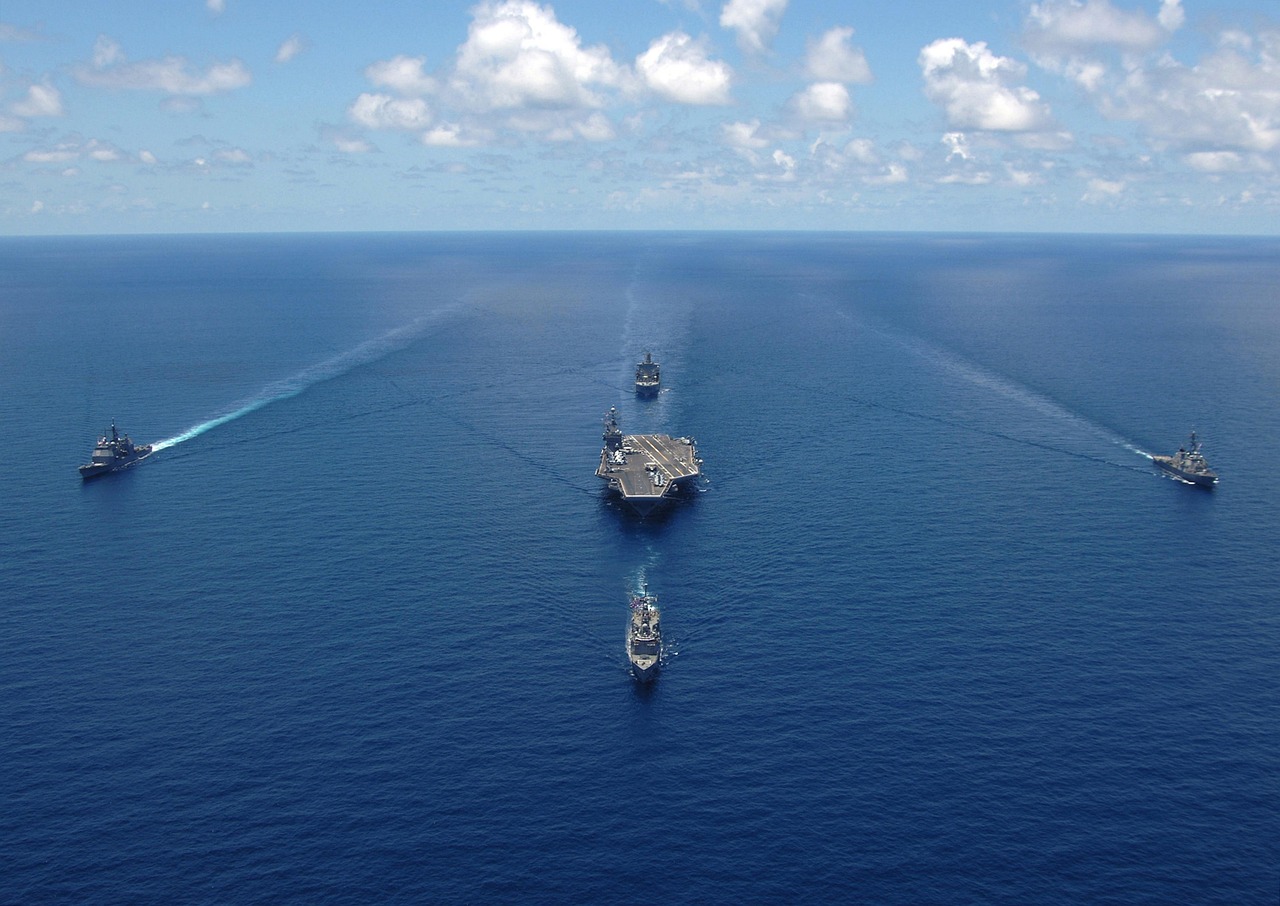
In a bold demonstration of its maritime capabilities, the US Navy recently showcased its enhanced unmanned warfare systems during summer naval exercises. The highlight of the event was a B-2 bomber utilizing a precision-guided, stealth air-launched anti-ship cruise missile against a decommissioned vessel. This not only underscored the Navy's commitment to integrating unmanned systems into its operational framework but also showcased the potential of these advanced technologies in modern naval warfare.
The introduction of unmanned boats, which were deployed to survey and strike targets, represents a significant shift in naval tactics. These vessels can operate autonomously or under human control, making them versatile assets in a variety of missions, from reconnaissance to direct engagement. Their ability to operate without risking crew lives opens new avenues for naval engagements, particularly in contested environments where traditional manned vessels may be vulnerable.
Moreover, the use of precision-guided missiles in conjunction with unmanned systems allows for greater flexibility and lethality in naval operations. The integration of aerial and maritime unmanned systems creates a multi-domain operational environment, enhancing situational awareness and enabling swift responses to threats. This capability aligns with the Navy's broader vision of integrating advanced technologies to maintain maritime superiority.
As the potential for conflict in contested waters increases, the Navy's focus on unmanned systems signals a proactive approach to evolving threats. The exercises serve as a stark reminder of the growing role of unmanned technologies in modern warfare, particularly in maritime domains where traditional engagement methods may fall short. With continued investment in these capabilities, the US Navy is positioning itself to address future challenges in the ever-changing landscape of naval warfare.
The integration of unmanned systems into naval operations also raises important questions about the future of warfare. As these technologies become more sophisticated, they could redefine traditional naval strategies and operational concepts. The successful deployment of unmanned vessels and advanced missile systems during these exercises sets the stage for further innovations and adaptations in naval doctrine and strategy.