Air ·
US Military Responds with Strikes After Iranian Drone Launches
In a rapid escalation of tensions, U.S. forces targeted Iranian radar sites following the interception of drones aimed at the strategic Strait of Hormuz.
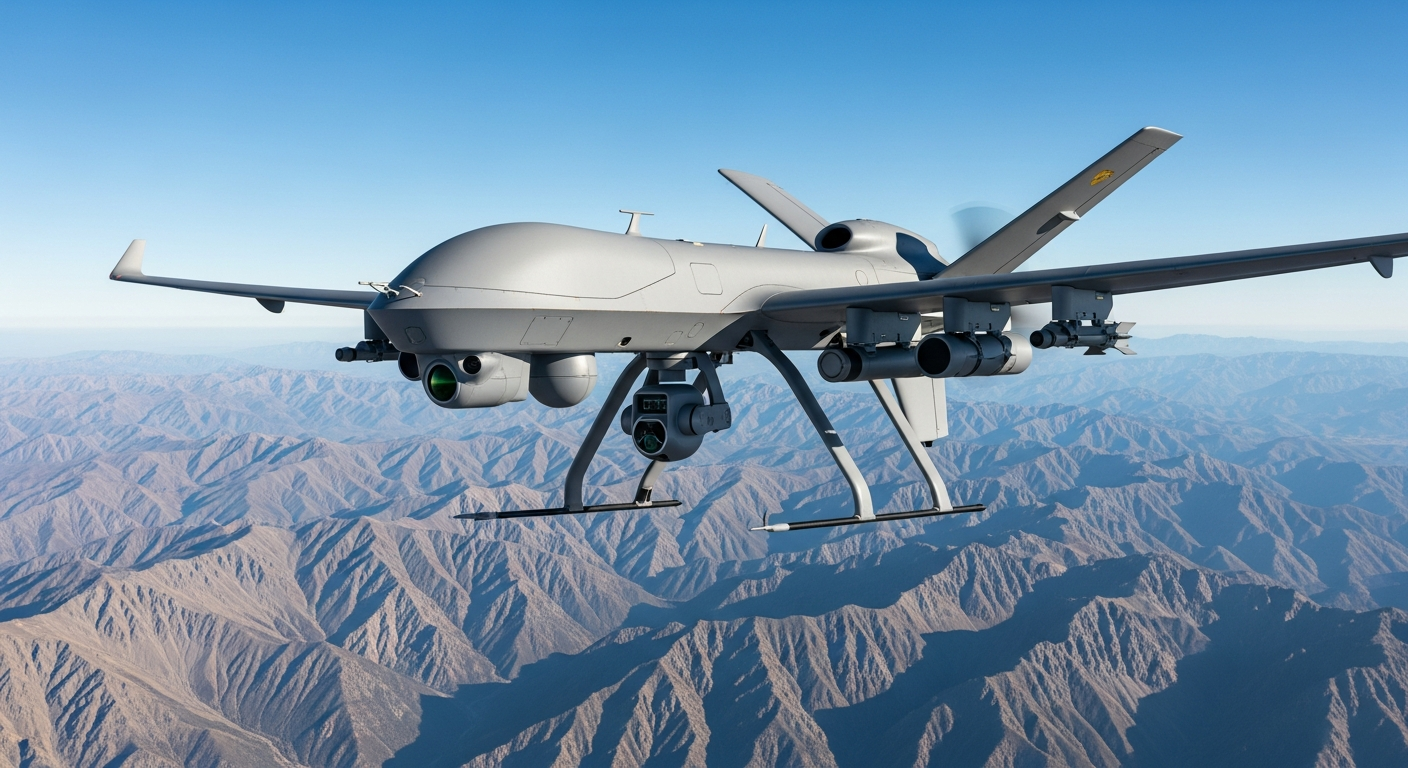
Recent military operations in the Gulf region have seen a significant increase in hostilities between U.S. forces and Iran. On Saturday, the U.S. military confirmed it shot down several Iranian drones that were reportedly launched towards the Strait of Hormuz, a vital maritime passage for global oil shipments. In retaliation, U.S. forces conducted strikes on Iranian coastal radar sites, showcasing a tactical response to perceived threats in a region characterized by its strategic importance.
The Strait of Hormuz is a chokepoint for about one-fifth of the world's oil supply, making it a focal point for U.S. military operations to ensure safe passage. The recent drone activity from Iran represents a broader strategy to project power and disrupt Western influence in the region. The U.S. has long been concerned about Iran’s drone capabilities, which have become increasingly sophisticated, enabling Tehran to extend its reach and exert influence over maritime operations.
This incident not only highlights the ongoing tensions between the U.S. and Iran but also raises questions about the future of drone warfare in regional conflicts. Drones have become a critical element in modern military engagements, offering low-cost, high-impact capabilities that can be used for reconnaissance and offensive operations. The U.S. military's ability to intercept and strike back against drone threats will likely play a significant role in future engagements in the area.
As both parties continue to maneuver strategically in the region, the implications for regional security are profound. The U.S. response could set a precedent for future encounters with Iranian forces, potentially leading to further escalations. This incident underscores the necessity for robust counter-drone strategies and the need for intelligence-sharing among allies to thwart potential threats posed by unmanned systems.
In the coming weeks, analysts will be closely monitoring how this incident influences Iran's drone operations and the U.S. military's posture in the Gulf. The balance of power remains precarious, and the introduction of more advanced drone technologies could complicate the existing dynamics further, making it imperative for the U.S. to adapt its strategies in response to evolving threats.