Air ·
US Military Must Evolve to Combat Autonomous Systems, Says Joint Chiefs Chairman
General Dan Caine emphasizes the necessity for the U.S. military to adapt its formations and tactics in response to the evolving threat posed by autonomous systems in warfare.
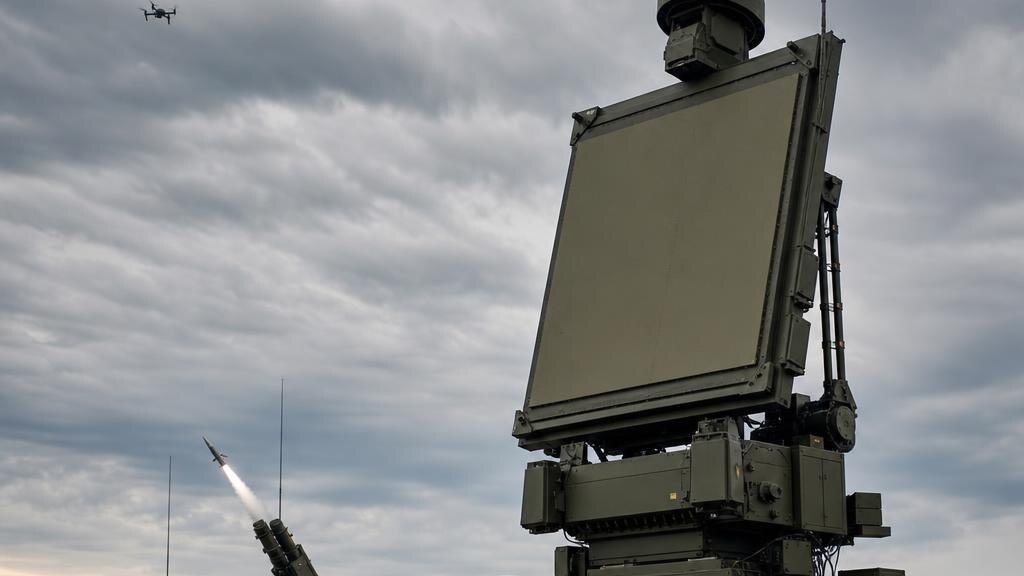
General Dan Caine, Chairman of the Joint Chiefs of Staff, recently addressed the need for the U.S. military to adapt to the changing landscape of warfare, where formations will increasingly be targeted by autonomous systems. He highlighted that advancements in artificial intelligence and robotic technologies are transforming how military operations are conducted, making traditional tactics potentially obsolete. The military's reliance on formations that have been effective in the past may expose them to vulnerabilities against adversaries employing advanced unmanned systems.
Caine's remarks underscore a growing consensus within military circles that the integration of AI and autonomous technologies into combat operations is no longer optional. He noted that adversarial forces are rapidly developing capabilities that can autonomously hunt and engage U.S. forces, necessitating a reevaluation of military strategies and operational frameworks. This shift could mean that the U.S. must invest more in counter-drone technologies and develop new tactical doctrines that incorporate unmanned systems as integral components of combat.
As the character of warfare evolves, the implications for training and operational readiness are profound. The U.S. military may need to enhance its focus on multi-domain operations, where air, land, and naval forces work in tandem with unmanned systems to create a robust defense against autonomous threats. This strategy could involve greater collaboration between human operators and AI, ensuring that military personnel are equipped to leverage these technologies effectively on the battlefield.
Moreover, the integration of autonomous systems raises significant policy and ethical considerations. As the U.S. military adopts more AI-driven platforms, ensuring accountability and adherence to international law will be paramount. The challenge lies in balancing the advantages of autonomous systems, such as increased operational efficiency, with the potential risks associated with their deployment in combat scenarios.
In conclusion, General Caine's warnings serve as a clarion call for the U.S. military to embrace innovation and rethink its approach to warfare. The need for a flexible, adaptive military force capable of countering autonomous threats is critical to maintaining strategic advantage in an increasingly complex global security environment.