Land ·
US Army's Push for Short-Range Missiles Reflects Evolving Battlefield Needs
The US Army plans to procure up to 8,000 new short-range missiles annually to enhance its strike capabilities amid evolving combat scenarios.
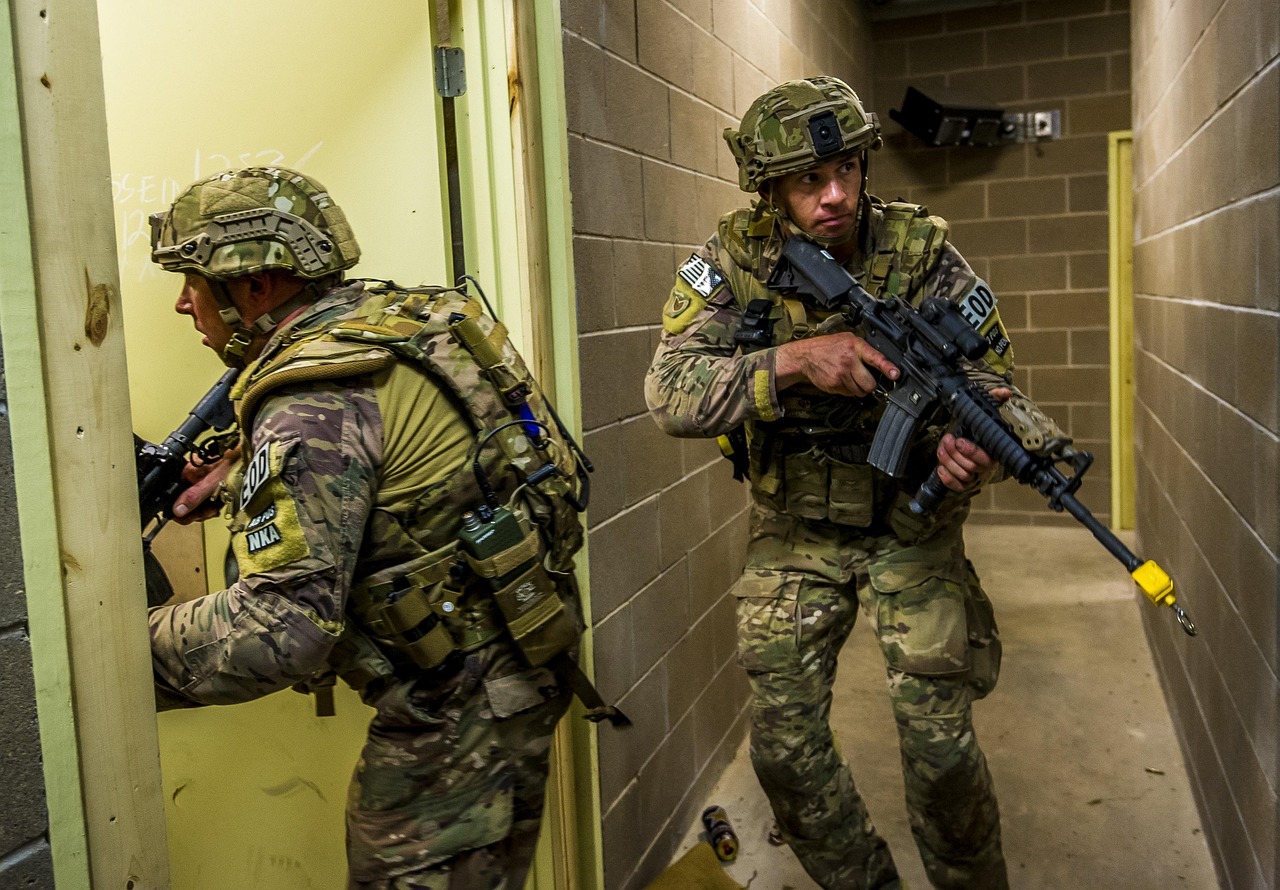
In a notable shift to adapt to changing combat dynamics, the US Army has announced its intention to purchase as many as 8,000 new short-range missiles each year. This initiative underscores a strategic emphasis on enhancing rapid response capabilities and deterrence effectiveness. With modern conflicts increasingly characterized by fast-moving and unpredictable threats, the Army recognizes the necessity of integrating advanced missile systems into its arsenal.
Short-range missiles provide a critical edge in various operational contexts, from countering emerging threats on the battlefield to supporting rapid reaction forces. This procurement strategy is intended to bolster the Army's capacity to deliver precision strikes against both fixed and mobile targets, ensuring that ground forces maintain a tactical advantage. The emphasis on short-range capabilities also indicates a broader trend toward more agile and responsive military operations.
Furthermore, the Army's focus on short-range missile systems aligns with the ongoing development of unmanned aerial vehicles (UAVs) and other advanced technologies. These systems can work in concert with missile platforms to conduct ISR missions and target acquisition, improving the overall effectiveness of combined arms operations. The ability to integrate various unmanned systems with missile capabilities enhances the Army's situational awareness and combat readiness.
The evolving nature of warfare necessitates a comprehensive approach to procurement and technology integration. As adversaries develop their own short-range strike capabilities, maintaining a robust arsenal of responsive missile systems becomes crucial. This strategy not only strengthens the Army's deterrent posture but also ensures that it can effectively counter threats in diverse operational environments.
Looking ahead, the Army's decision to invest in short-range missiles signals an understanding of the complexities of modern warfare. By prioritizing these systems, the Army aims to enhance its capacity to respond to emerging threats while ensuring that its forces are equipped with the tools needed for success on the battlefield.