Air ·
US Army to Disband Experimental Drone Battalion in Europe
The US Army will conclude its experimental drone battalion deployment in Europe, refocusing on its airborne infantry operations following Exercise Saber Junction.
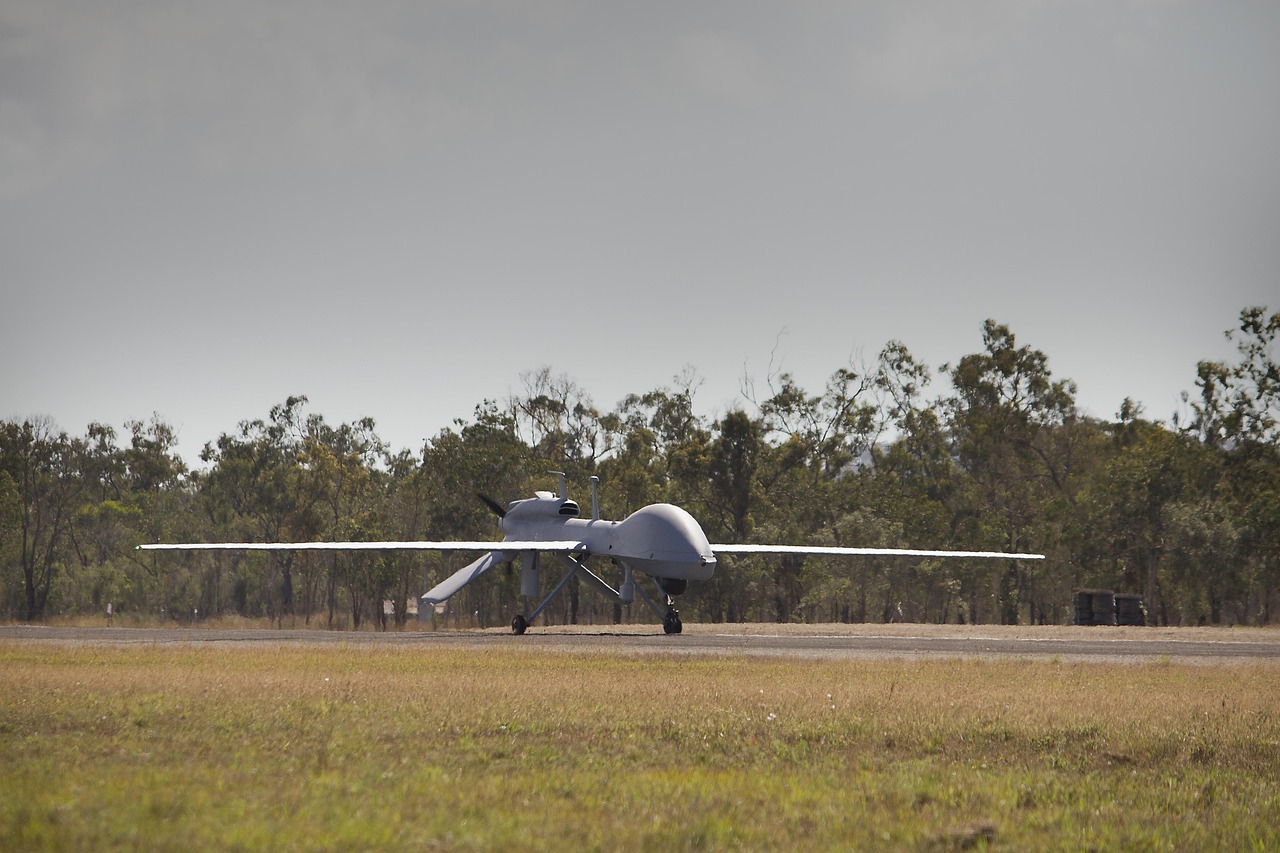
The US Army has announced plans to disband an experimental drone battalion stationed in Europe, marking a strategic shift back to traditional airborne infantry roles. This decision comes on the heels of Exercise Saber Junction, a multinational training event designed to enhance interoperability among NATO allies. The battalion, which had been testing various unmanned aerial vehicle (UAV) capabilities, will now redirect its focus to the core mission of airborne infantry, emphasizing the need for agility and readiness in a rapidly evolving security environment.
The experiment aimed to integrate drones into combat operations, assessing their effectiveness in surveillance, reconnaissance, and support roles. While the results indicated promising advancements in drone technology, Army leadership has opted for a more conventional structure, likely due to budget constraints and the pressing need to maintain a robust ground presence in Europe. The return to infantry operations underscores the balancing act the Army faces in adapting to modern warfare while ensuring readiness for traditional combat scenarios.
Drones have played a critical role in military operations over the last decade, providing real-time intelligence and enhancing situational awareness. However, the US Army's decision to step back from this experimental phase reflects a broader trend within the military to reassess the utility of unmanned systems amidst changing geopolitical dynamics. With increasing threats from adversaries, particularly in Eastern Europe, the Army must prioritize traditional forces capable of rapid deployment and effective ground engagement.
As the Army transitions back to its infantry roots, the lessons learned from the experimental battalion will still influence future drone integration efforts. Ongoing developments in drone technology and tactics will likely remain a focal point for military planners, especially as they seek to integrate these systems into larger joint operations. The experience gained in Europe may serve as a valuable case study for the Army as it continues to explore the operational potential of unmanned systems in various theaters of conflict.
In conclusion, while the disbandment of the drone battalion represents a shift in strategy, it does not signify the end of drone experimentation within the US Army. As the military continues to adapt to the complexities of modern warfare, the integration of UAVs into conventional forces may provide new opportunities for enhancing operational effectiveness in the future.