Air ·
US Army Tests Advanced Fire Control Software for Mobile Drone Engagement
The US Army has successfully tested new fire control software that enhances the capability of vehicle-mounted weapons to engage drones while both the shooter and target are in motion.
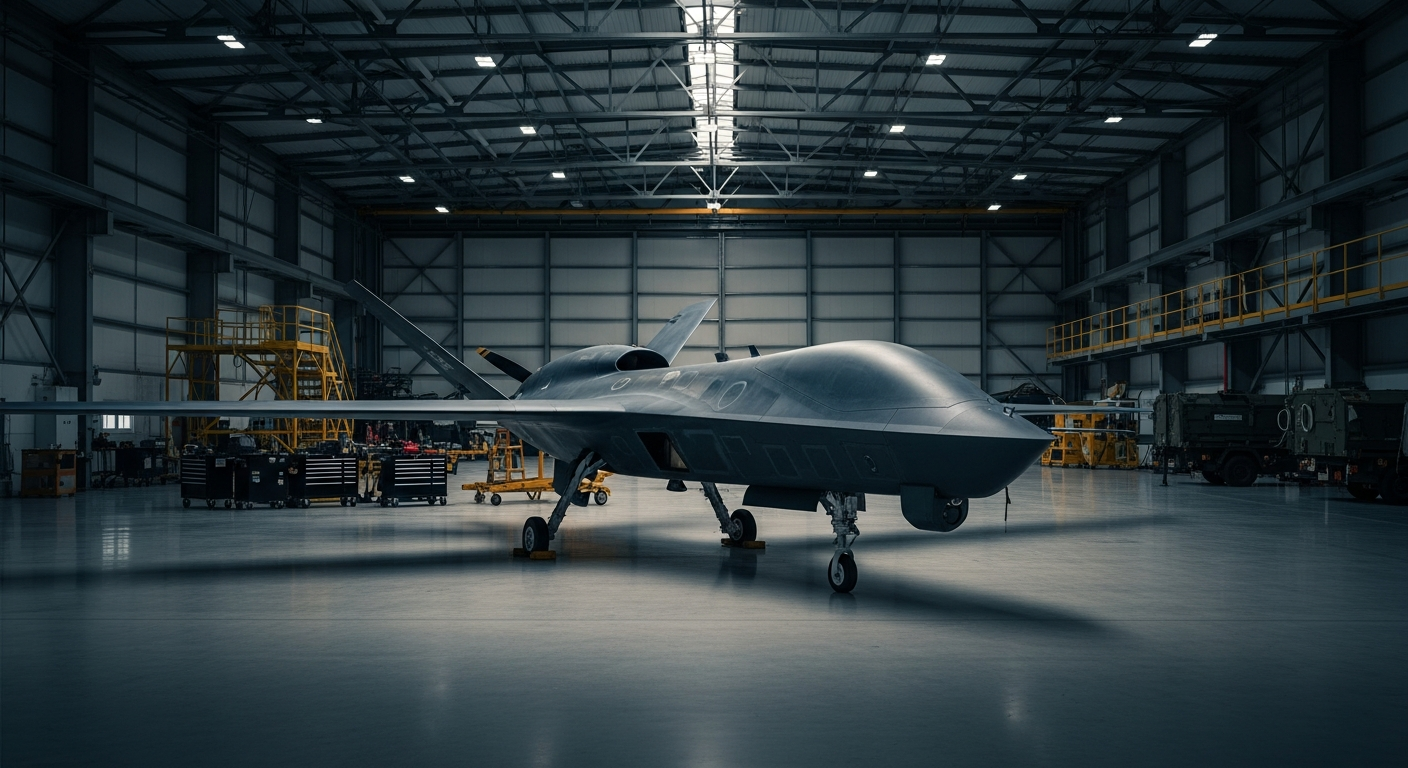
The US Army has made significant strides in drone defense technology with the recent testing of advanced fire control software designed for vehicle-mounted weapon systems. This innovation allows armed vehicles to autonomously track and engage aerial drones even when both the vehicle and the target are in motion, a notable step forward in enhancing battlefield effectiveness. This capability is particularly crucial as the proliferation of drones on the battlefield poses a growing threat to military operations.
During the tests, various vehicles were equipped with the new software, demonstrating the ability to accurately identify and engage drones while navigating challenging terrains. This ability to shoot down aerial threats while in motion not only increases the survivability of ground units but also expands tactical options during combat operations. The integration of this technology is seen as a vital response to the evolving nature of warfare, where unmanned systems play an increasingly significant role.
The software leverages advanced sensors and algorithms to improve target acquisition and engagement times. By utilizing real-time data, the system can predict the trajectory of both the vehicle and the drone, ensuring a higher probability of successful intercepts. This technology signifies a shift towards more dynamic and responsive air defense measures, allowing troops to counter threats more effectively in fast-paced combat scenarios.
As the Army continues to refine this technology, it also highlights the critical need for integrated systems that can operate across multiple domains. The seamless interaction between ground units and air defense capabilities will be essential in ensuring comprehensive protection against aerial attacks. The successful tests lay the groundwork for future enhancements to the Army's drone defense strategies as they seek to stay ahead of adversaries who are also advancing their unmanned systems capabilities.
In conclusion, the successful testing of this fire control software marks a pivotal shift in the Army's approach to drone warfare. As threats from unmanned aerial vehicles continue to evolve, the ability to engage these targets from mobile platforms will be integral for operational success. The Army's commitment to advancing these technologies underscores the importance of remaining adaptable in the face of emerging threats on the battlefield.