Land ·
US Army Hackathon Aims to Advance Autonomous Ground Systems
The U.S. Army's recent Operation Jailbreak hackathon seeks to foster collaboration and innovation in autonomous systems, focusing on enhancing communication and interoperability among unmanned ground vehicles (UGVs).
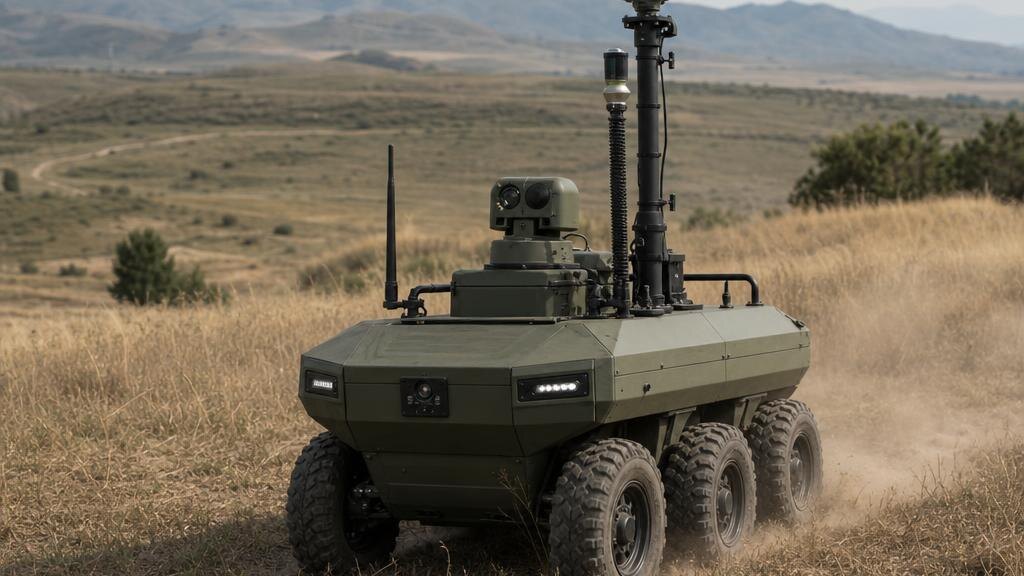
In a significant step towards enhancing the capabilities of autonomous systems within the military, the U.S. Army recently hosted Operation Jailbreak, a hackathon designed to challenge defense companies to breach each other's autonomous systems and machines. This initiative was a precursor to the Association of the United States Army (AUSA) conference, where discussions on autonomy in military operations took center stage. The overarching aim of the hackathon is to improve the communication and interoperability of unmanned ground vehicles (UGVs), which are increasingly becoming critical assets on modern battlefields.
The U.S. Army's focus on UGVs is part of a broader strategy to integrate advanced technologies into its operations. These vehicles, which can perform a variety of tasks ranging from reconnaissance to explosive ordnance disposal, are seen as essential for reducing risks to human soldiers and increasing operational efficiency. The hackathon allowed participants to explore vulnerabilities in existing systems, thereby fostering a culture of innovation that is crucial for the Army's modernization efforts. This approach aligns with the military's increasing reliance on technology to enhance situational awareness and decision-making in complex environments.
As the U.S. Army transitions from traditional combat methods to more technologically integrated approaches, the redesignation of the Futures and Concepts Command to the U.S. Army Futures and Autonomous Systems Command (FASCOM) highlights its commitment to harnessing autonomous technology across all warfighting functions. According to Gen. Christopher LaNeve, the head of the Army, FASCOM will pioneer operational concepts that leverage autonomous capabilities, which include ground robots and UGVs, to enhance combat effectiveness. This shift not only reflects a change in organizational structure but also signifies a strategic pivot towards embracing the future of warfare, where autonomy plays a pivotal role in operational success.
The strategic significance of this shift cannot be overstated. As the landscape of warfare evolves, adversaries are increasingly employing advanced technologies, including drones and robotics, to gain an advantage. By investing in UGVs and improving their operational capabilities, the U.S. Army aims to maintain its competitive edge. This includes not only the development of new vehicles but also the integration of existing systems into a cohesive operational framework that can adapt to the complexities of modern warfare. The Army's proactive stance in this domain is critical, as it seeks to counter emerging threats while ensuring that its forces remain agile and effective in diverse operational scenarios.
However, there are constraints and challenges associated with the rapid integration of autonomous systems. One major concern is the need for robust cybersecurity measures to protect these systems from potential hacking and exploitation, as highlighted by the hackathon's objectives. Ensuring that UGVs can operate securely and reliably in contested environments is paramount. Moreover, there is an ongoing debate regarding the ethical implications of deploying autonomous systems in combat scenarios, particularly concerning decision-making processes and accountability. The Army must navigate these ethical waters carefully, as the implications of autonomous decision-making in life-and-death situations raise significant moral questions that could impact public perception and support for military operations.
The Army's commitment to autonomy also raises questions about the procurement processes for UGVs and other unmanned systems. Streamlining acquisition and reducing the time it takes to integrate new technologies into the field is critical. Initiatives like the Army's Project Gatekeeper, which aims to cut software approval times, are steps in the right direction but require ongoing support and adaptation to keep pace with technological advancements. The procurement landscape for defense technologies is notoriously complex, often hampered by bureaucratic processes that can delay the deployment of critical capabilities. Addressing these challenges will be essential to ensure that the Army can rapidly respond to emerging threats and maintain its technological edge.
As the Army continues to explore the potential of UGVs, the outcomes of events like Operation Jailbreak will likely play a crucial role in shaping future developments. The collaborative environment fostered by the hackathon not only encourages innovation but also helps identify best practices and lessons learned that can be applied across various military branches and allied forces. This collaborative approach is vital in an era where interoperability among allied forces can determine the success of joint operations. The insights gained from such initiatives can inform future training, doctrine, and operational planning, ultimately enhancing the effectiveness of UGVs in combat scenarios.
Looking ahead, the future of autonomous ground systems in the U.S. Army appears promising, but much remains to be seen regarding how effectively these vehicles can be integrated into existing military operations and how they will adapt to the evolving nature of warfare. The ongoing dialogue about the technology's capabilities, constraints, and ethical considerations will be essential as the military navigates this complex landscape. As adversaries continue to innovate, the Army's ability to adapt and integrate new technologies will be a determining factor in its operational success.
In conclusion, the U.S. Army's efforts to enhance its autonomous systems through initiatives like Operation Jailbreak reflect a strategic pivot towards integrating advanced technologies into its operational framework. As the military continues to innovate and adapt, the role of UGVs will undoubtedly become more central to future combat operations, shaping the way wars are fought in the years to come. The Army's commitment to fostering a culture of innovation, while addressing the associated challenges, will be crucial in ensuring that it remains prepared for the complexities of modern warfare.