Air ·
US Army Explores Drone Solutions for Blood Supply Delivery
The U.S. Army is advancing its Blood Link project by seeking innovative drones to transport blood supplies in field operations.
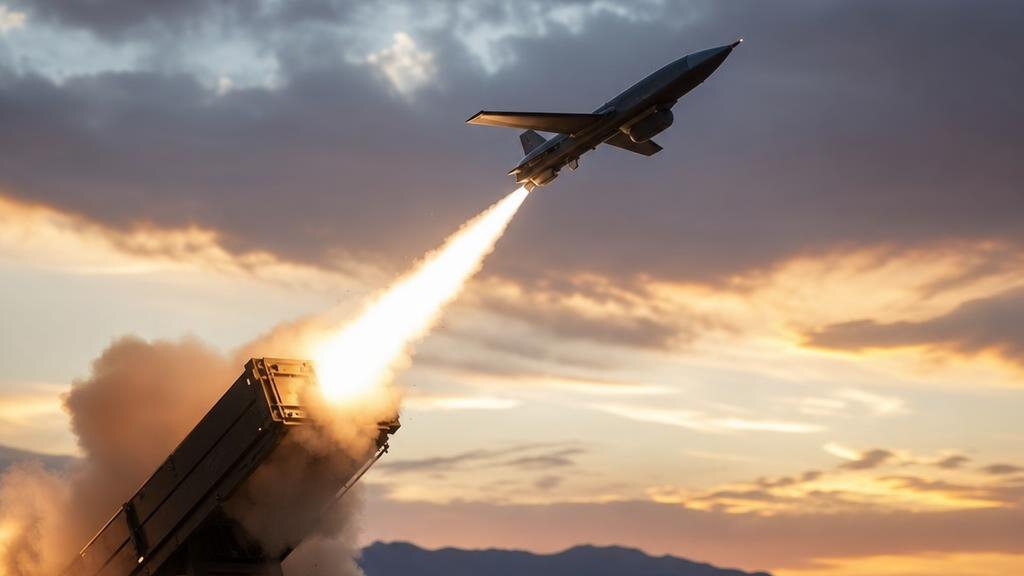
In a significant move to enhance battlefield medical logistics, the U.S. Army has initiated efforts to procure new unmanned aerial vehicles (UAVs) specifically designed for ferrying blood supplies. This initiative is part of the Army's broader Blood Link project, which aims to improve the delivery of critical medical resources to troops in remote and austere environments. The use of drones for medical logistics not only expedites the delivery process but also minimizes risks associated with traditional ground transport.
By leveraging UAV technology, the Army hopes to create a more efficient and responsive medical supply chain. Current methods of transporting blood can be slow and vulnerable to various threats, especially in active combat zones. Drones can bypass many of these challenges, providing a quicker means of ensuring that soldiers receive the medical supplies they need without the delays or dangers of ground transportation.
The Army's initiative comes at a time when unmanned systems are increasingly being integrated into various operational roles. The potential for drones to carry medical supplies, including blood products that require careful handling and temperature regulation, marks a significant expansion of their capabilities. This project could pave the way for more advanced applications of UAVs in logistics and supply chain management within military operations.
As the Army looks for suitable drone candidates, the emphasis will likely be on systems that offer both reliability and the ability to operate in diverse environments. Efficiency, payload capacity, and the ability to navigate autonomously will be critical factors in the selection process. Moreover, the integration of advanced technologies such as real-time monitoring and data analytics will enhance the effectiveness of these UAVs in delivering medical supplies.
The implications of this project extend beyond just logistics; they signify a shift in how the Army is approaching medical readiness and response. By adopting drone technology for such critical missions, the Army is not only enhancing operational effectiveness but also potentially saving lives on the battlefield. As these technologies continue to evolve, the role of drones in military medicine will likely expand even further, setting new standards for emergency response in combat scenarios.