Land ·
US Army Develops Advanced Fire Control Software for Moving Targets
The US Army has successfully tested fire control software that enhances the capability of vehicle-mounted weapons to target and shoot down drones while both the drone and the vehicle are in motion.
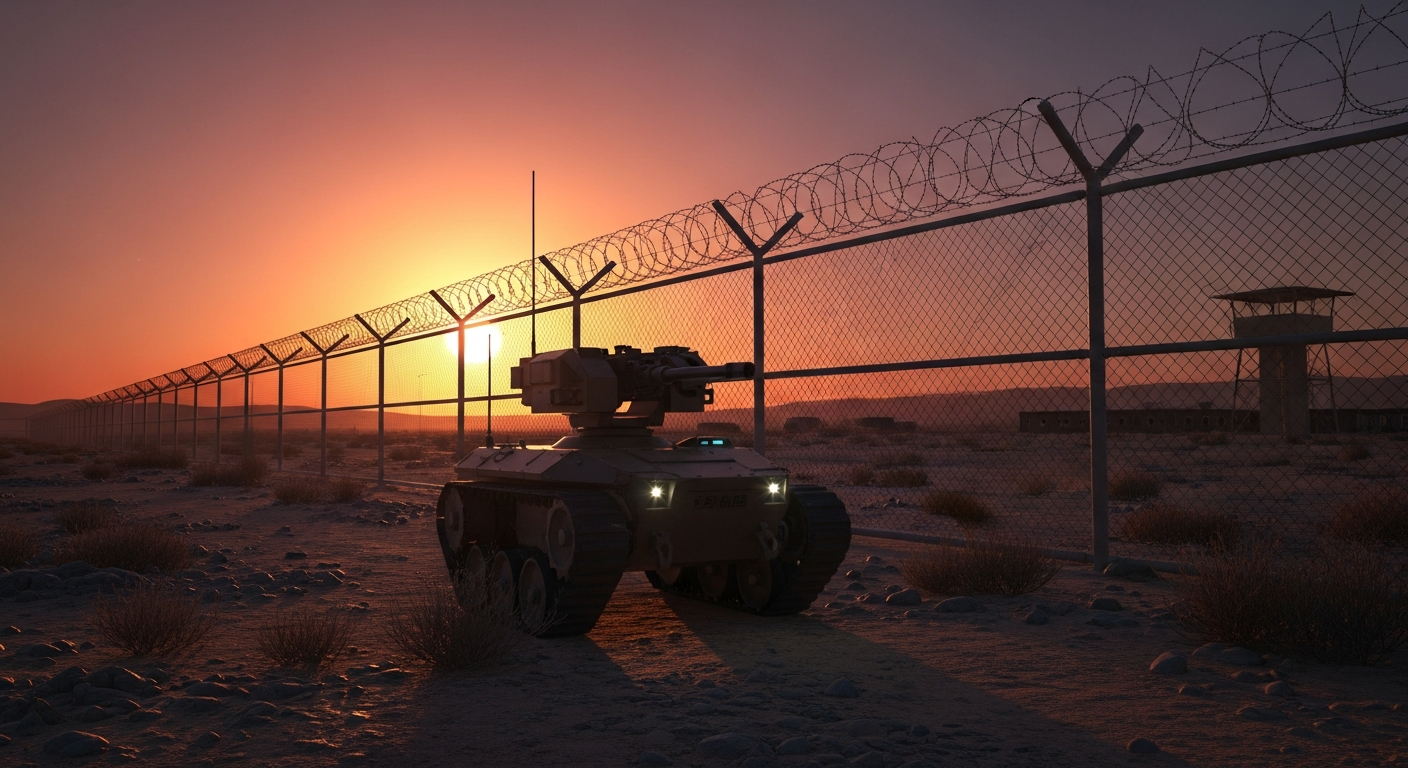
In a significant advancement for military operations, the US Army has tested new fire control software designed to improve the effectiveness of vehicle-mounted weapons against aerial threats. This technology enables armed vehicles to engage drones while both the target and the firing platform are on the move, a critical capability in dynamic combat environments. The ability to hit moving targets not only increases the lethality of ground forces but also enhances their survivability by allowing them to remain mobile during engagements.
The software was developed to integrate seamlessly with existing weapon systems, potentially revolutionizing how ground forces interact with aerial threats. By employing sophisticated algorithms and advanced tracking systems, the software can calculate the trajectory of fast-moving drones and adjust firing solutions accordingly. This capability is especially vital in conflicts where drone usage is prevalent, as adversaries increasingly deploy UAVs for reconnaissance and attack roles.
Testing of the fire control software involved various scenarios to simulate real-world conditions where vehicles and drones operate in tandem. The Army's focus on mobility reflects a broader shift in military strategy towards flexible, adaptive tactics that leverage technology to counter evolving threats. As drone warfare becomes more commonplace, the Army recognizes the need for ground forces to integrate unmanned systems into their operational framework.
The development of this software aligns with the Army's modernization efforts, which emphasize the importance of unmanned systems in multi-domain operations. By enhancing the capabilities of existing weapon systems, the Army not only improves its immediate combat effectiveness but also sets the stage for future innovations in the realm of unmanned aerial warfare. This technological leap is essential as the Army prepares for potential conflicts where drones play a pivotal role.
As the Army continues to refine its approach to unmanned systems, the implications for future military engagements are profound. The ability to effectively counter UAVs will likely shape the tactical landscape of modern warfare, influencing everything from engagement rules to force structure. With these advancements, the US Army is positioning itself to maintain a technological advantage in an increasingly complex battlefield environment.