Air ·
US Air Force Special Operations Targets Kamikaze Drones for Enhanced Strike Capabilities
The U.S. Air Force is looking to develop small, one-way attack drones for its special operations forces, aiming to augment their tactical capabilities on the battlefield.
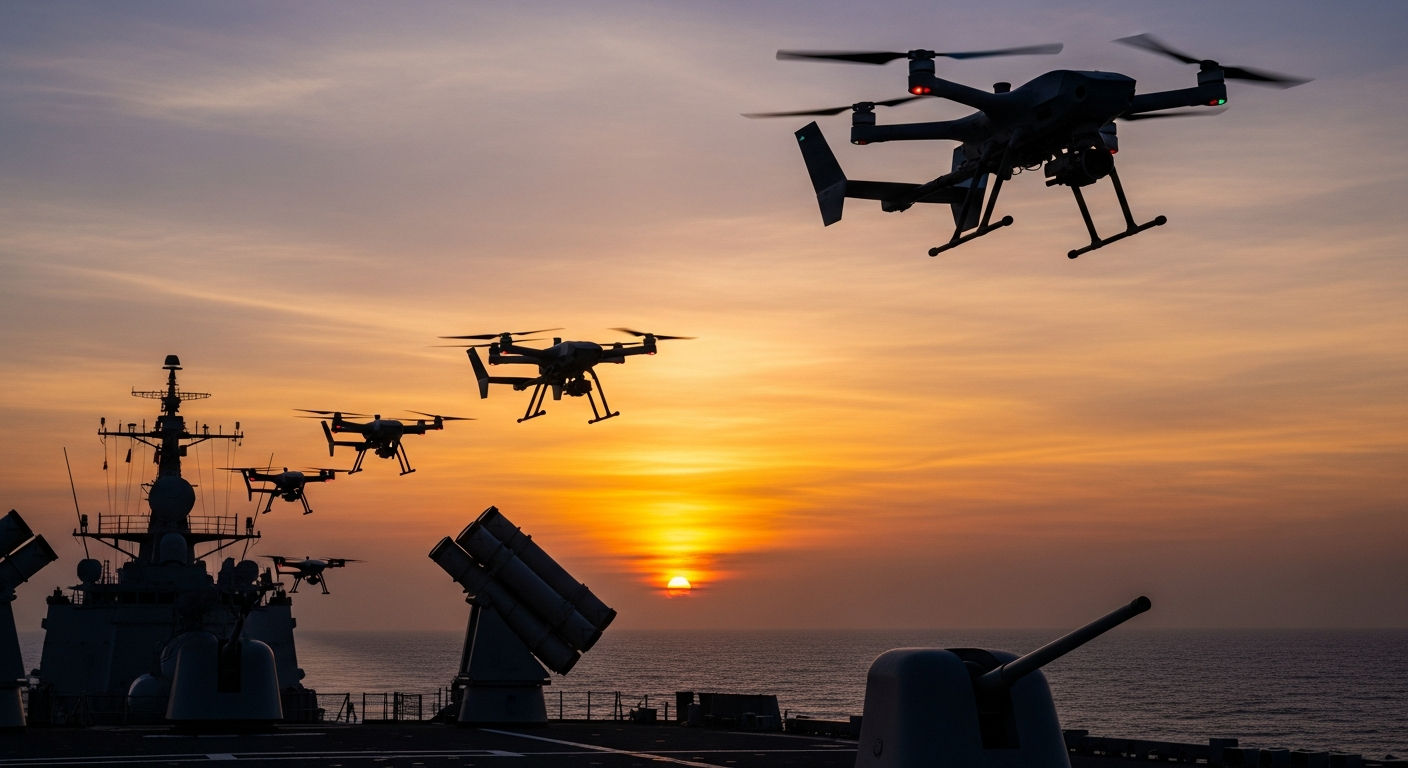
In a strategic move to enhance its tactical capabilities, the U.S. Air Force special operations forces have issued a Request for Information (RFI) for the development of kamikaze drones. These small, one-way attack drones are envisioned as a means to deliver precision strikes against high-value targets while minimizing risk to personnel and assets. The demand for such systems reflects the growing importance of unmanned aerial vehicles (UAVs) in modern warfare, particularly in asymmetrical conflicts where quick, decisive action is paramount.
The concept of kamikaze drones is not new; however, their integration into U.S. special operations has gained momentum as military planners seek to leverage technology to outpace adversaries. These drones could potentially operate in swarming formations, overwhelming enemy defenses and providing a significant tactical advantage. The focus on developing these systems also highlights a shift towards more autonomous warfare, where drones can make real-time decisions based on battlefield conditions.
The potential application of kamikaze drones could be extensive, ranging from targeted strikes against enemy installations to providing support in reconnaissance missions. The ability to deploy these drones rapidly and with minimal logistical support could change the dynamics of engagement in contested environments. Moreover, the use of small, low-cost drones can help mitigate the risks associated with larger, more expensive UAVs, allowing for greater operational flexibility.
As the U.S. military continues to adapt to the evolving landscape of warfare, the integration of kamikaze drones into special operations tactics could serve as a critical component of future military strategies. The RFI marks a significant step towards realizing this vision, inviting industry partners to collaborate and innovate in developing these advanced systems. This initiative could set the stage for a new era in aerial warfare, where unmanned systems play an even more pivotal role in operational success.