Air ·
US Air Force Pursues Long-Range Missiles for Enhanced Targeting Capabilities
The U.S. Air Force is focused on developing a new family of long-range missiles with the capability to engage targets at over 1,000 nautical miles to counter potential threats.
In a strategic move to enhance its operational reach, the U.S. Air Force is prioritizing the development of next-generation long-range missiles capable of striking targets at distances exceeding 1,000 nautical miles. This initiative is part of a broader strategy to counter the growing capabilities of potential adversaries, particularly in the Indo-Pacific region where the threat from Chinese air and naval forces is increasingly concerning. The Air Force's Long Range Weapon program aims to deliver a versatile family of missiles that can be employed against both air and sea targets, enhancing the service's overall deterrence posture.
The capability to engage targets at such extended ranges will significantly alter the dynamics of modern aerial warfare. By allowing for preemptive strikes against high-value targets, these missiles could disrupt enemy operations before they can launch their own attacks. This approach aligns with the Air Force's shift towards a more offensive posture, emphasizing rapid response and increased lethality in contested environments.
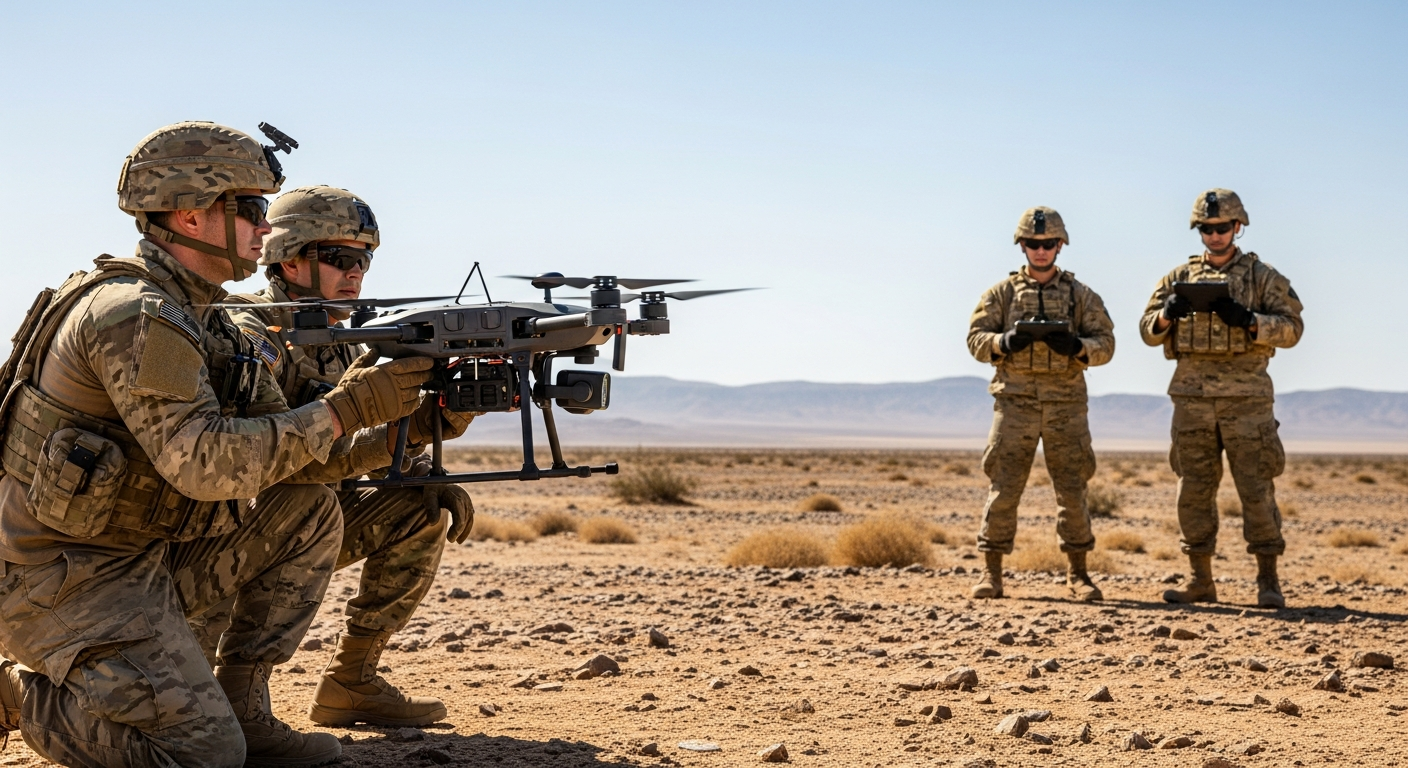
Furthermore, the development of long-range missiles is expected to complement existing unmanned systems, such as drones and UAVs, which are increasingly used for surveillance and precision strikes. Integrating these missiles with advanced drone technology will create a synergistic effect, enabling the Air Force to conduct operations with greater efficiency and effectiveness. The synergy between manned aircraft and unmanned systems is crucial for maintaining air superiority in future conflicts.
As the Air Force presses forward with this program, collaboration with defense contractors and research institutions will be essential for developing the cutting-edge technologies needed to support these long-range capabilities. The emphasis on speed, range, and versatility will be critical in ensuring that the U.S. can deter and, if necessary, defeat emerging threats. By investing in these next-generation systems, the Air Force is not only enhancing its current capabilities but also laying the groundwork for future operational success in a rapidly evolving threat landscape.
In conclusion, the U.S. Air Force's pursuit of long-range missiles represents a significant advancement in its strategic capabilities. As military operations continue to adapt to new technological realities, the integration of long-range missile systems with unmanned platforms will be vital in ensuring the U.S. maintains its competitive edge in the air domain.