Naval ·
UK's Maritime Uncrewed Systems: A Vision for a 1,000-Ship Navy
The UK aims to expand its maritime unmanned systems as part of a vision to develop a '1,000-ship navy' to enhance naval capabilities.
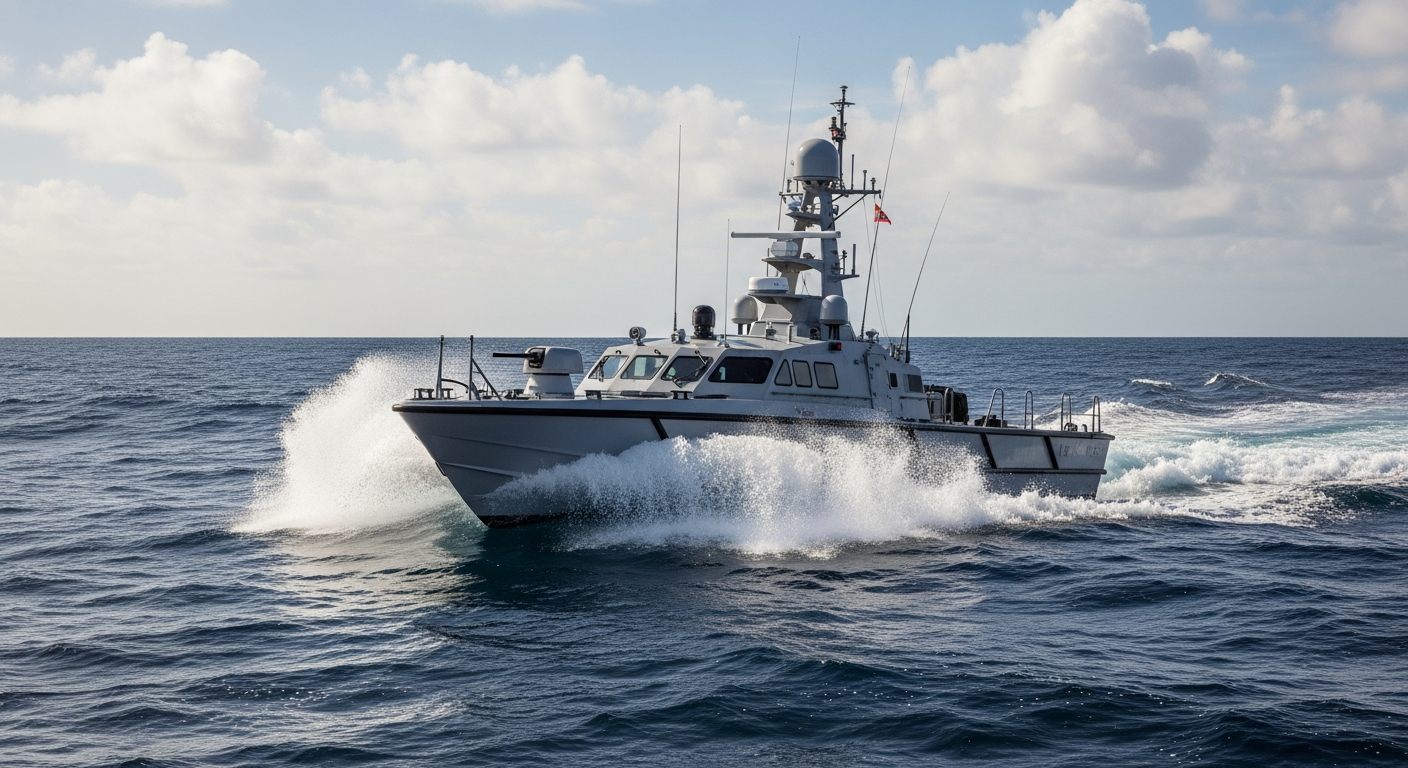
The UK government has articulated a bold vision to expand its naval capabilities through the integration of maritime uncrewed systems (MUS) as part of a proposed '1,000-ship navy'. This initiative is driven by the recognition that an increased number of uncrewed vessels can significantly enhance operational effectiveness, particularly in countering real-world threats at sea. The inclusion of MUS in naval operations would allow for a more versatile and responsive fleet capable of addressing a range of maritime challenges.
In recent years, the role of unmanned systems in naval warfare has grown exponentially, with countries recognizing their potential to augment traditional naval assets. The UK’s focus on expanding its MUS fleet reflects a broader shift toward modernizing naval strategies to incorporate advanced technologies that can offer greater situational awareness and operational flexibility. The proposed expansion aims to not only bolster defense capabilities but also to ensure the Royal Navy can effectively respond to evolving maritime threats.
The integration of MUS into naval operations can also lead to cost savings and improved mission outcomes. These systems can undertake various roles, from surveillance and reconnaissance to combat and logistics, thereby freeing up manned vessels to focus on more complex tasks. This operational efficiency is crucial in an era where naval assets must navigate challenging environments and potential adversarial actions.
Moreover, as global maritime tensions rise, the UK's commitment to developing a robust fleet of MUS underscores the importance of maintaining a competitive edge in naval warfare. By investing in these technologies, the UK is positioning itself as a leader in the use of unmanned systems at sea, paving the way for innovative approaches to maritime security and defense.
As this vision for a '1,000-ship navy' unfolds, the implications for the Royal Navy's operational capabilities will be profound. The growth of MUS within the fleet will not only enhance traditional naval warfare strategies but will also enable the UK to undertake more complex and diverse missions in response to evolving threats. This approach could serve as a model for other nations looking to modernize their naval forces in the face of contemporary security challenges.