Land ·
Ukraine's Ground Robots Evolve to Support Humanitarian Efforts Amid Conflict
Ukrainian forces are repurposing ground robots for civilian rescue operations while managing military logistics.
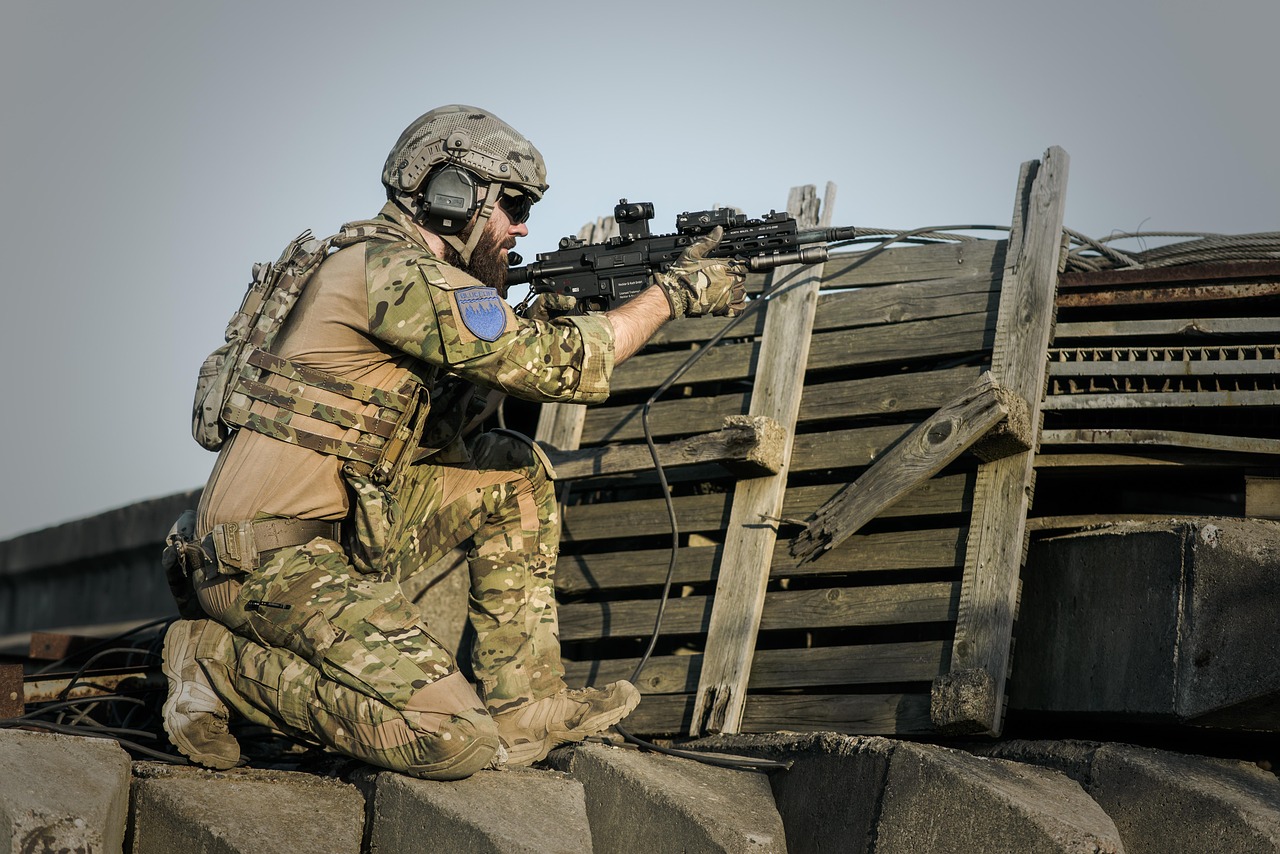
In an innovative application of unmanned ground systems, Ukraine is ramping up the production of robotic units initially designed for military logistics to assist in humanitarian efforts. These ground robots, which have been utilized to transport ammunition and evacuate wounded soldiers, are now being repurposed to help civilians affected by the ongoing conflict. This dual-use of technology underscores the versatility of unmanned systems in modern warfare and crisis situations.
The adaptation of these robots highlights the urgent need for humanitarian assistance in contested areas, where traditional means of rescue may be hindered by ongoing hostilities. By employing ground robots to safely extract civilians from danger zones, Ukrainian forces can mitigate risks to human life while maintaining their operational effectiveness. This initiative not only saves lives but also reinforces the military's commitment to protecting civilians amid combat operations.
Furthermore, the use of unmanned systems for humanitarian purposes showcases a growing trend in military applications where technology is leveraged to address broader societal challenges. As these robots gain capabilities for tasks such as transporting supplies to isolated communities, they become invaluable assets in both military and civilian contexts. This multifunctionality enhances the operational efficiency of military assets while contributing positively to the communities they serve.
As the conflict in Ukraine evolves, the ability to adapt military technology for humanitarian missions may serve as a model for other nations facing similar challenges. The integration of unmanned ground systems into rescue operations not only reflects an innovative approach to warfare but also emphasizes the moral obligations of military forces to prioritize civilian safety. This development may inspire further research and investment in dual-use technologies that can bridge the gap between military needs and humanitarian assistance.
The ongoing production of these ground robots illustrates the resilience and creativity of Ukrainian forces in the face of adversity. As they navigate the complexities of modern warfare, the effective use of technology to address both military and humanitarian needs could become a defining characteristic of their operational strategy. This approach may ultimately influence how military forces worldwide consider the role of unmanned systems in conflict zones.