Air ·
Ukraine's F-16 Fleet Strained by Persistent Russian Drone Attacks
Ukrainian F-16s have successfully intercepted thousands of Russian drones, but the ongoing conflict is taking a toll on the aircraft's operational lifespan.
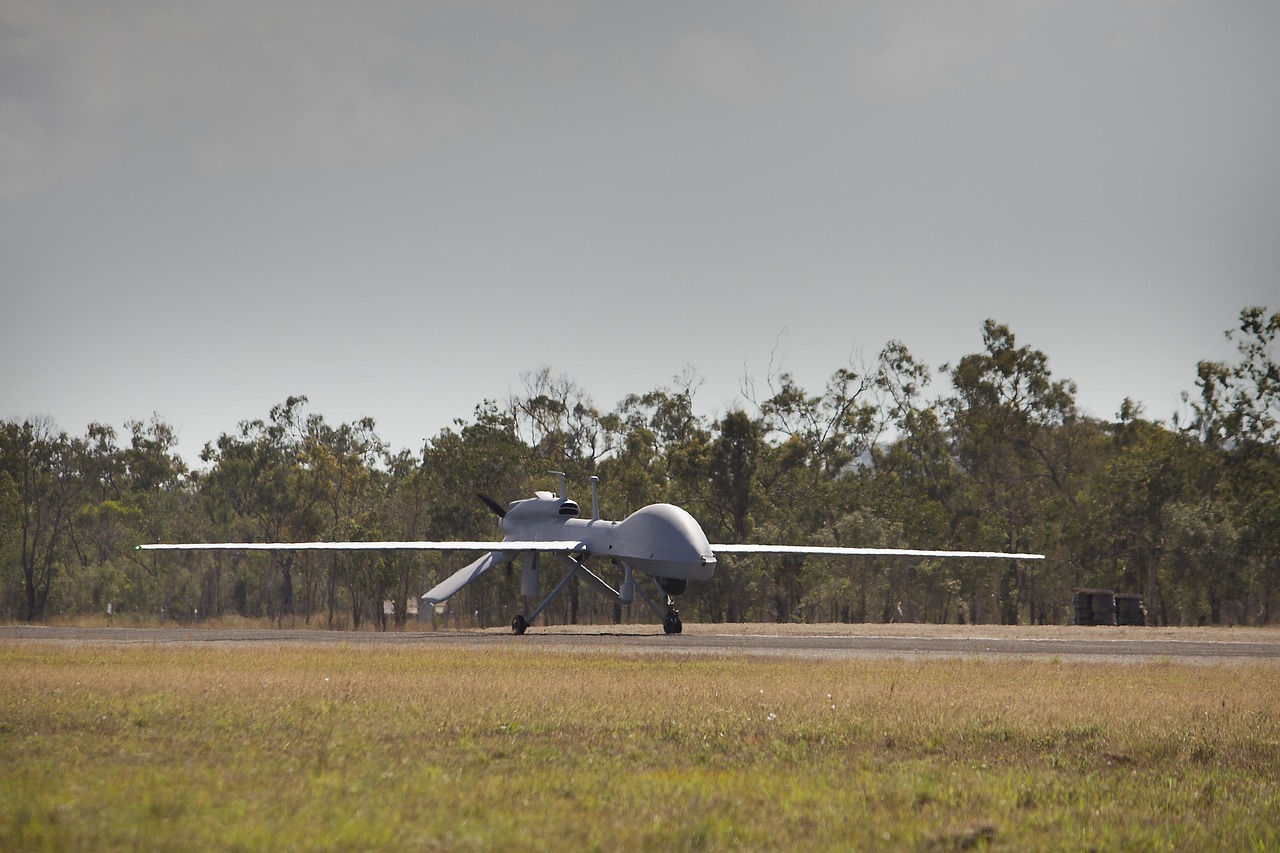
The ongoing conflict in Ukraine has seen the deployment of F-16 fighter jets in a pivotal role against the growing threat of Russian drone attacks. Reports indicate that these aircraft have successfully intercepted over 2,500 one-way attack drones, significantly impacting the operations of Russian forces. However, the intensive use of the F-16s for such defensive measures is leading to concerns about their maintenance and long-term viability in a protracted conflict.
The F-16, a multirole fighter jet, was initially designed for versatility and effectiveness in air-to-air and air-to-ground combat. However, the increasing number of drone incursions has resulted in these jets being used in a defensive capacity more frequently than anticipated. Continuous engagements with drones, which are often low-cost and numerous, can lead to heightened wear and tear on the aircraft's systems, particularly in the airframe and avionics, potentially reducing their operational availability.
The situation highlights the strategic shift in aerial warfare, where unmanned systems are taking center stage against traditional manned aircraft. With Russia employing drones extensively for reconnaissance and strikes, Ukraine's reliance on F-16s has become a double-edged sword. The wear and tear on the fleet may necessitate accelerated maintenance cycles and increased logistical support, straining Ukraine's resources further.
In response to these challenges, Ukrainian military planners are exploring alternative strategies, including the potential integration of additional unmanned aerial vehicles (UAVs) that could complement the F-16s. Investing in newer drone technologies or increasing the procurement of smaller, more agile drones could help alleviate some pressure on the F-16s while maintaining effective aerial defense against the Russian drone threat.
Overall, the current scenario underscores the evolving dynamics of modern warfare, where manned and unmanned systems must work in concert. As Ukraine navigates these challenges, the lessons learned from the F-16's engagements with drones will likely influence future procurement and operational strategies, shaping the future of aerial combat in the region.