Naval ·
Ukraine Deploys Innovative Naval Drone Interceptor Against Iranian Threats
Ukraine has launched an unmanned vessel capable of deploying interceptors to counter Shahed drones, marking a significant advancement in its naval defense capabilities.
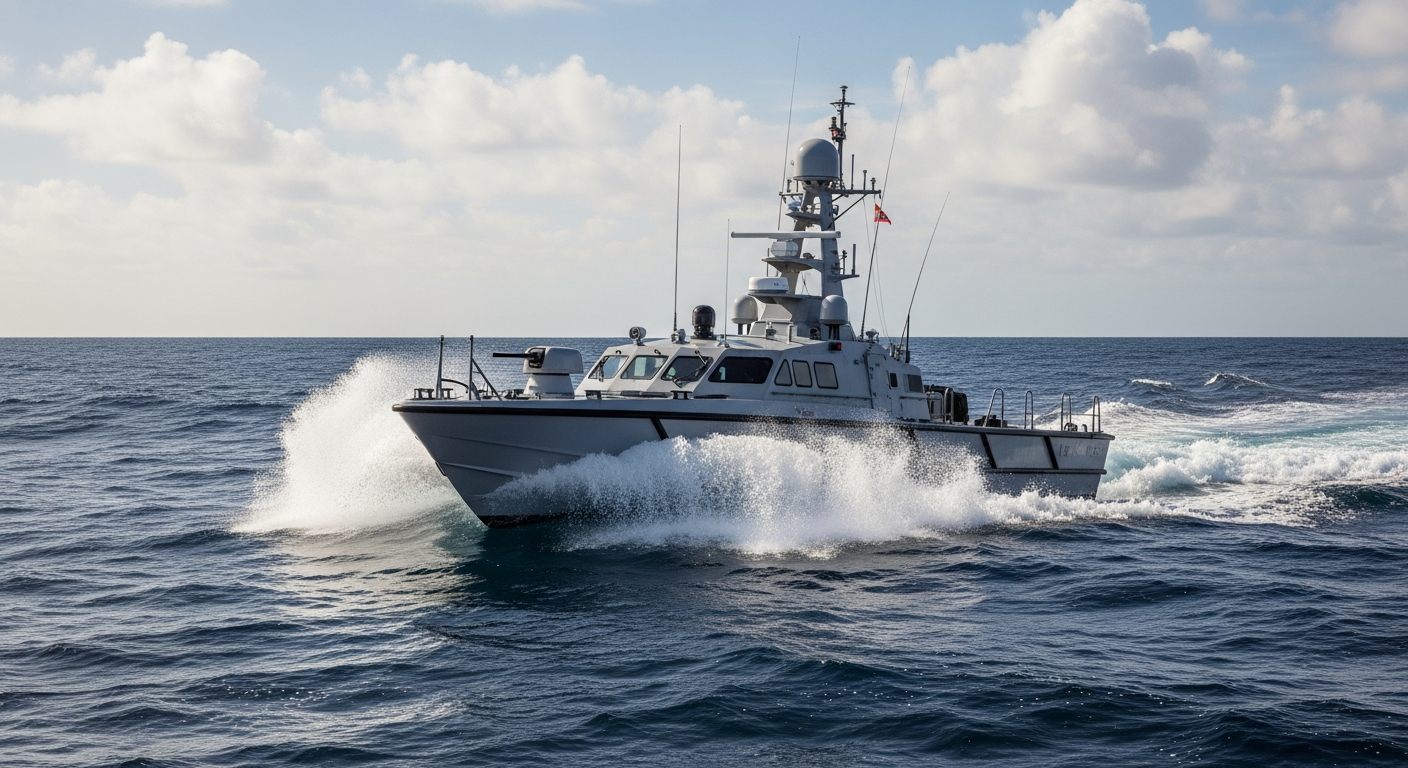
In a groundbreaking development, Ukraine has successfully utilized an unmanned surface vessel (USV) to launch an interceptor that targets Iranian-made Shahed drones. This innovative approach not only enhances Ukraine's defensive posture but also signifies a shift in how naval warfare could evolve in the face of asymmetric threats. The decision to deploy such advanced unmanned systems demonstrates Ukraine's commitment to countering aerial threats effectively and efficiently.
The Shahed drones, used extensively by Russian forces, have posed a significant risk to Ukrainian infrastructure and military assets. By employing a USV to launch interceptors, Ukraine aims to create a layered defense mechanism that can respond to drone incursions in real-time. This capability could potentially deter further aggression and provide a tactical advantage in future negotiations, as it showcases Ukraine's resilience and adaptive use of technology in warfare.
The use of unmanned systems in naval operations is not entirely new, but Ukraine's integration of this technology into its defense strategy highlights its importance in modern conflicts. With the capabilities of USVs only expected to grow, this development could encourage other nations to invest in similar technologies to safeguard their interests. As conflicts become increasingly dominated by unmanned systems, the effectiveness of such innovations will be closely scrutinized by military analysts worldwide.
This development also raises questions about the future of naval engagements where unmanned systems play a crucial role. The ability of a USV to autonomously launch interceptors against aerial threats not only streamlines operations but also reduces risks to personnel. As the technology matures, we could see a new era of naval warfare where human operators take a backseat to intelligent, autonomous systems.
As Ukraine continues to face challenges from Russian forces, this latest advancement in unmanned naval technology may serve as a crucial element in its broader defense strategy. The implications of deploying such capabilities extend beyond immediate tactical advantages, as they could reshape the dynamics of naval power and deterrence in future conflicts.