Naval ·
UK Royal Navy Shifts Focus to Hybrid Warships Capable of Autonomous Drone Command
The UK Royal Navy has scrapped plans for a new Type 83 destroyer, opting instead for a fleet of hybrid warships designed to manage networks of autonomous drones.
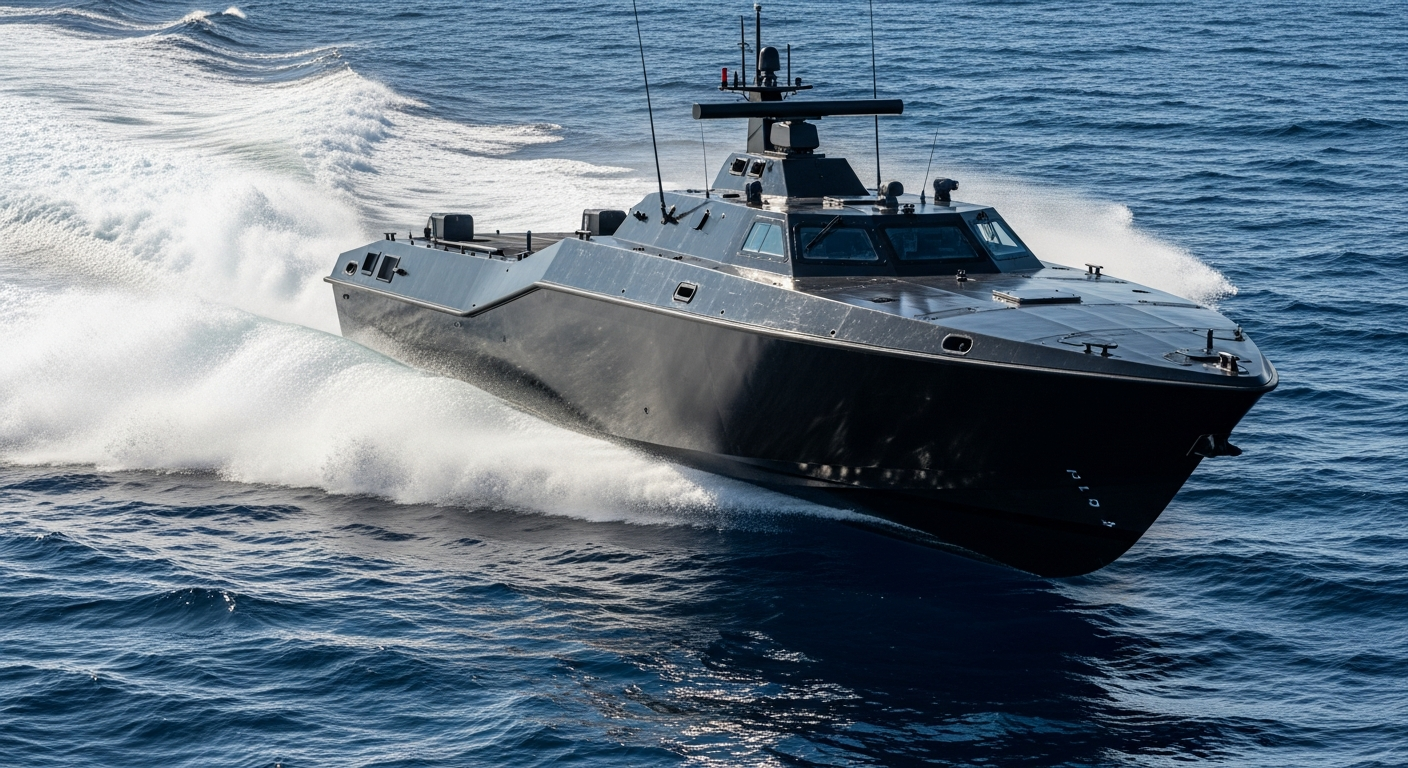
In a strategic pivot, the UK Royal Navy has decided to abandon its plans for a conventional successor to the Type 45 destroyers in favor of a new class of hybrid warships aimed at enhancing operational flexibility. This decision aligns with the increasing importance of unmanned systems in modern naval warfare, as these new vessels are designed to command networks of autonomous drones across various domains, including air, surface, and subsurface operations.
The development of these hybrid warships represents a forward-thinking approach to naval combat, allowing for a more integrated and effective use of unmanned systems in maritime operations. By leveraging autonomous drones, the Royal Navy aims to extend its reach and capabilities while reducing the risk to personnel in high-threat environments.
This shift also reflects broader trends within NATO and allied forces, which have been increasingly investing in unmanned systems to enhance situational awareness, reconnaissance, and strike capabilities. The new warships are expected to be equipped with advanced technologies that seamlessly integrate manned and unmanned platforms, creating a more versatile fleet capable of adapting to evolving threats.
As the Royal Navy looks to the future, the emphasis on hybrid vessels suggests a recognition of the need for modernization in response to the changing landscape of naval warfare. This paradigm shift may encourage other nations to follow suit, as the integration of unmanned systems becomes a critical component of global naval strategies.
Ultimately, this decision signifies a crucial step toward transforming the Royal Navy into a more agile and technologically advanced fighting force, capable of addressing the complexities of modern maritime security challenges. The successful implementation of these hybrid warships will likely set a precedent for future naval developments worldwide.