Naval ·
UK Navy Expands Unmanned Surface Vessel Fleet for Enhanced Maritime Operations
The UK Ministry of Defence has acquired 20 new unmanned surface vessels (USVs) to bolster its maritime capabilities, serving as a testing ground for advanced unmanned technologies.
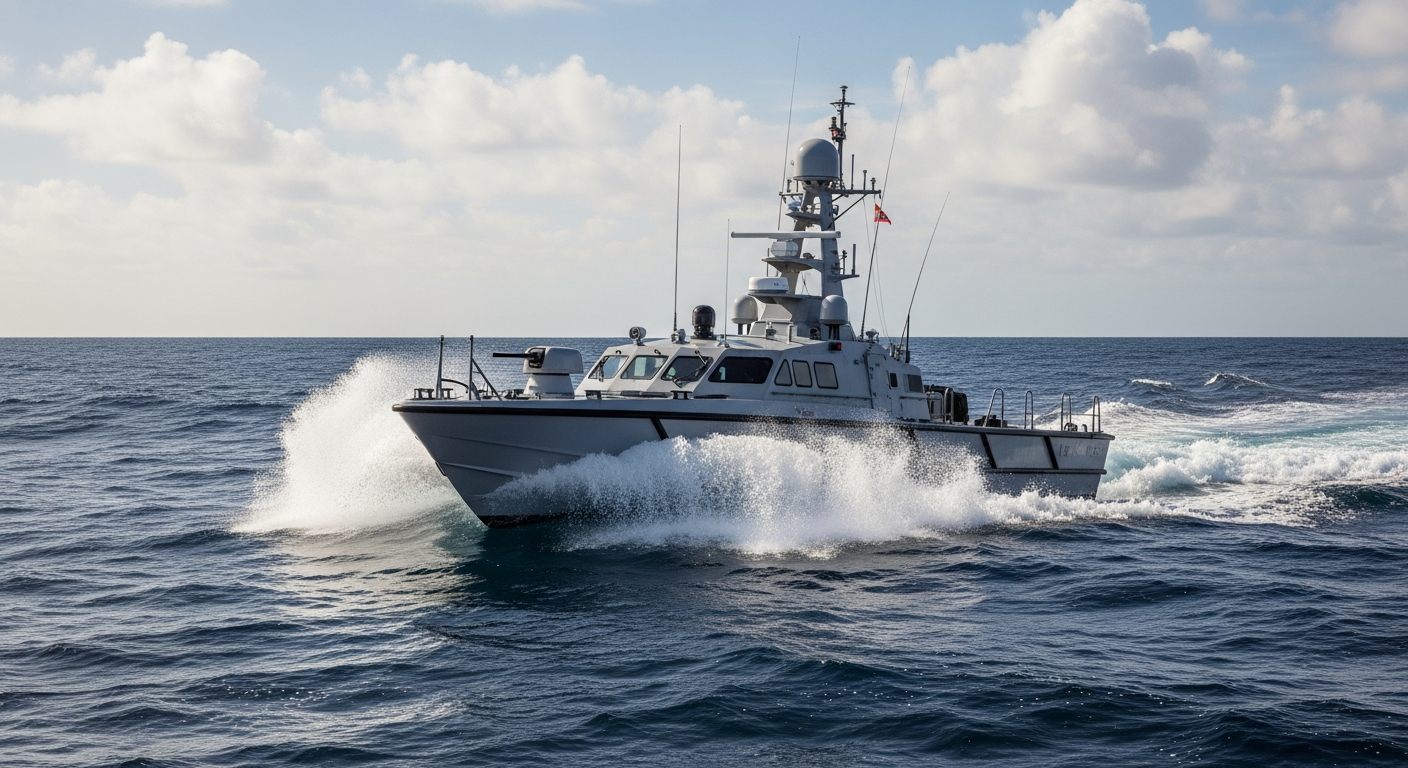
In a significant move to upgrade its naval capabilities, the UK Ministry of Defence has recently announced the acquisition of 20 unmanned surface vessels (USVs). These vessels are set to act as a proving ground for a variety of unmanned technologies aimed at enhancing maritime operations. While the exact deployment timeline remains under wraps, the acquisition aligns with the UK's broader strategy to bolster its naval presence and operational flexibility in increasingly contested maritime domains.
The decision to invest in USVs comes at a time when the UK Navy is seeking to adapt to evolving threats in maritime operations, particularly concerning potential confrontations with state actors such as Iran. The USVs will allow for a range of experimental missions, from surveillance and reconnaissance to potentially offensive operations, without placing crewed vessels at risk. This approach reflects a growing trend among navies worldwide to integrate unmanned systems into their fleets to improve mission effectiveness and reduce operational costs.
These new vessels will likely support a variety of missions, including Intelligence, Surveillance, and Reconnaissance (ISR) tasks, which are critical in monitoring maritime traffic and potential threats. Additionally, the UK Navy's commitment to USVs signifies its recognition of the changing nature of naval warfare, where unmanned systems increasingly play a pivotal role in strategic and tactical operations. This aligns with broader NATO initiatives to incorporate advanced technologies into member states' military capabilities.
The UK Navy's investment in USVs also highlights the importance of interoperability with allied nations. As maritime threats grow more complex, the ability to collaborate with partner navies using similar unmanned systems can enhance collective security and operational synergy. As the UK continues to develop its maritime strategy, the integration of USVs will likely play a crucial role in maintaining its competitive edge in naval warfare.
In conclusion, the UK Navy's acquisition of 20 USVs marks a significant step forward in its modernization efforts. This investment not only underscores the importance of unmanned technologies in contemporary naval operations but also reflects a broader shift towards more adaptable and resilient military capabilities in the face of evolving global threats.