Naval ·
U.S. Navy Tests Robotic Towed Connector to Enhance USV Operations
The U.S. Navy has successfully trialed a robotic towed connector designed to refuel unmanned surface vessels (USVs), paving the way for extended autonomy in maritime operations.
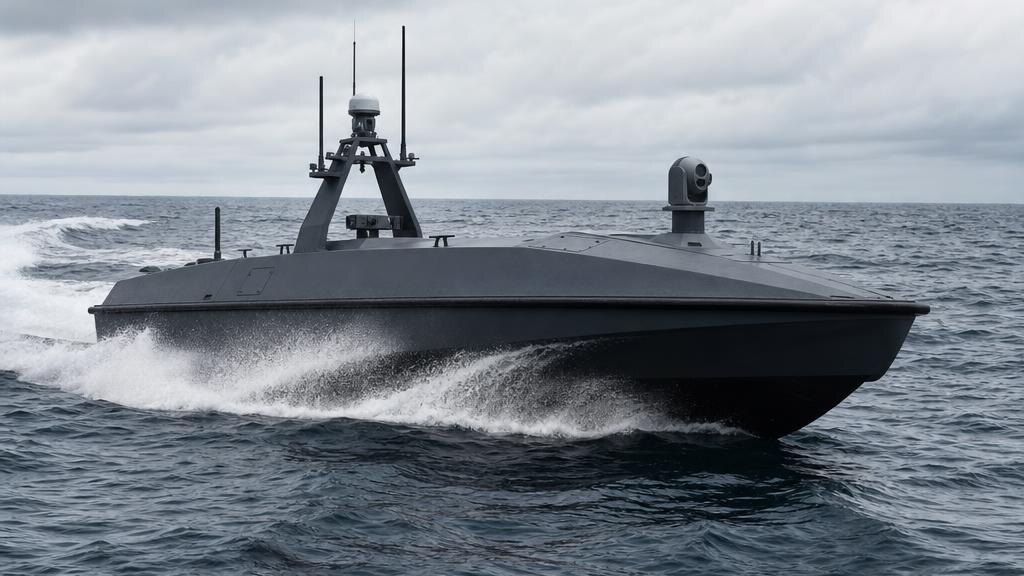
In a significant advancement for naval unmanned systems, the U.S. Navy conducted trials on a robotic towed connector that effectively captures, refuels, and releases unmanned surface vessels (USVs). This trial, held on August 11, marks a step forward in enabling persistent unmanned naval operations, crucial for maintaining maritime security in increasingly contested waters.
The robotic connector's design allows for autonomous operations, reducing the need for crewed vessels to remain close to USVs for refueling. This capability is expected to enhance operational endurance and flexibility, allowing USVs to undertake longer missions without the frequent need for human intervention. The Navy aims to integrate this technology into its existing fleet of USVs to improve mission efficiency and effectiveness.
With the growing emphasis on unmanned systems in naval warfare, this development aligns with the Navy's broader strategy of leveraging advanced technology for maritime dominance. The ability to maintain a continuous presence at sea using unmanned platforms is essential in the context of rising threats from peer adversaries, particularly in the Indo-Pacific region.
Future iterations of this technology could involve further automation and integration with command-and-control systems, enabling seamless operations between manned and unmanned vessels. As the Navy continues to explore capabilities that enhance its unmanned fleet, this robotic towed connector could represent a foundational element of maritime operations in the coming years.
Overall, the successful trial of the robotic towed connector highlights the Navy's commitment to innovation in unmanned systems. By pushing the boundaries of what is possible with USVs, the Navy is not only enhancing its operational capabilities but also setting a precedent for future advancements in naval warfare.