Naval ·
U.S. Navy Teaches Drones to Land on Ships Without GPS: A Leap in Autonomous Naval Operations
The U.S. Navy has successfully demonstrated the ability of drones to autonomously land on ships without GPS, marking a significant advancement in maritime drone operations.
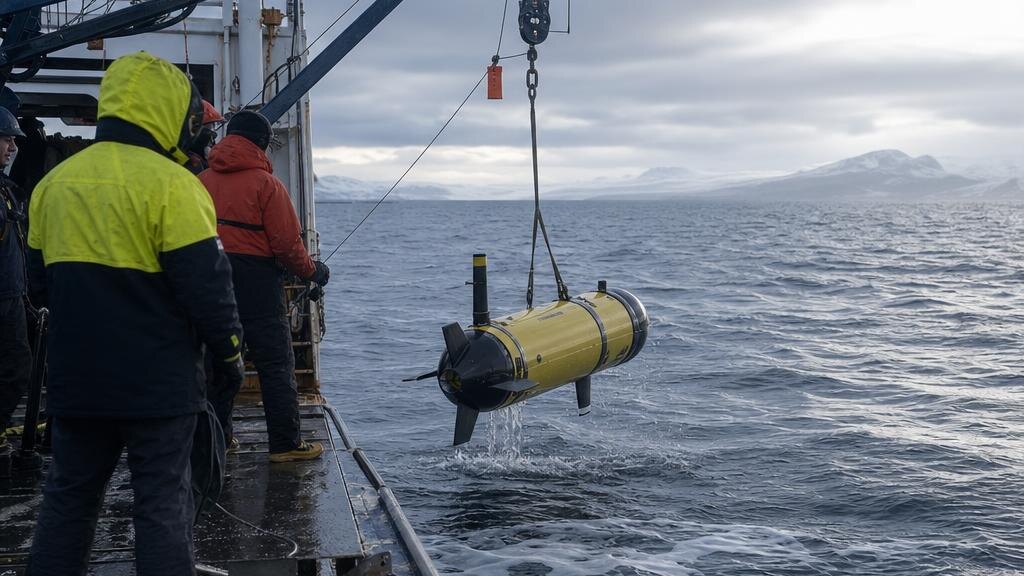
In a groundbreaking development, the U.S. Navy has demonstrated the capability of its drones to land on ships at sea without relying on GPS. This achievement, reported by Defence Blog on October 15, 2026, underscores a significant leap forward in autonomous maritime operations, particularly in environments where GPS signals may be jammed or unavailable. The Naval Air Warfare Center Aircraft Division (NAWCAD) confirmed that the drone successfully completed mission tasks and landed on a pitching ship using only its onboard sensors and software.
This technological advancement is critical for the Navy as it prepares for operations in contested environments where electronic warfare tactics, such as GPS jamming, could be employed by adversaries. The ability to land drones autonomously without GPS not only enhances operational flexibility but also ensures the continuity of naval operations in scenarios where traditional navigation aids are compromised. This capability could be particularly valuable in the Indo-Pacific region, where the U.S. Navy is facing increasing challenges from near-peer competitors like China, which is developing sophisticated electronic warfare capabilities.
The drones used in this demonstration are equipped with advanced cameras and motion sensors that allow for precise navigation and landing. By relying on these onboard systems, the Navy is paving the way for more robust unmanned systems that can operate independently of external signals. This is particularly relevant for maritime operations, where the dynamic nature of sea conditions can complicate navigation and landing processes. The integration of visual and motion data processing technologies enables the drones to make real-time adjustments, ensuring safe landings even in adverse weather conditions or rough seas.
The advancement also aligns with the broader strategic objectives of the Navy to enhance its unmanned systems capabilities. The integration of autonomous drones into naval operations is seen as a critical component of the Navy's future force structure. As the service moves towards a more distributed maritime operations model, the ability to deploy and recover drones in various conditions will be paramount. This shift not only reflects changing operational needs but also the increasing reliance on technology to maintain a competitive edge in naval warfare.
However, challenges remain in fully integrating autonomous drones into fleet operations. While this demonstration marks a significant step forward, the Navy will need to address several technical and operational constraints. These include ensuring the reliability of onboard sensors in diverse weather conditions, developing standardized procedures for drone operations in conjunction with manned vessels, and training personnel to effectively manage and operate these systems. The complexity of coordinating unmanned and manned assets in real-time operations will require rigorous testing and validation to ensure mission success.
Moreover, the strategic implications of this technology extend beyond operational effectiveness. As the Navy continues to invest in unmanned systems, it will also need to consider the implications for naval warfare and deterrence. The use of autonomous drones could alter the calculus of naval engagements, providing the U.S. Navy with enhanced surveillance and strike capabilities while reducing risks to personnel. However, it also raises ethical and legal questions regarding autonomous systems in combat scenarios, which the Navy and policymakers will need to address in the coming years. The potential for autonomous drones to make decisions in combat situations necessitates a reevaluation of existing rules of engagement and accountability frameworks.
Looking ahead, the Navy's successful demonstration of GPS-independent drone landings opens up several avenues for further research and development. Future efforts may focus on improving the autonomy of these systems, enhancing their payload capabilities, and integrating them into larger naval strike groups. Additionally, the Navy may explore partnerships with industry leaders to accelerate the development of next-generation unmanned systems that can further enhance maritime operational capabilities. Collaborations with technology firms specializing in artificial intelligence and machine learning could lead to breakthroughs that improve the drones' decision-making processes and operational efficiency.
The implications of these advancements extend to joint operations with allied forces, as interoperability becomes increasingly vital in modern warfare. The ability to coordinate drone operations across different platforms and nations could enhance collective security and deterrence strategies. Furthermore, the development of standardized protocols for unmanned systems could foster greater collaboration in multinational naval exercises, ensuring that allied forces can effectively integrate their capabilities in a crisis.
In conclusion, the U.S. Navy's recent achievements in autonomous drone operations represent a significant milestone in the evolution of naval warfare. As the service continues to enhance its capabilities, the ability to operate unmanned systems independently of GPS will play a crucial role in ensuring naval superiority in increasingly contested maritime environments. The implications of this technology will undoubtedly resonate across various domains of military strategy and operations, shaping the future of naval engagements for years to come. As the Navy navigates these advancements, it will be essential to balance innovation with ethical considerations, ensuring that the deployment of autonomous systems aligns with national and international norms.