Naval ·
U.S. Navy Pursues Containerized Interceptors to Combat Drone Threats
The U.S. Navy's initiative for deploying low-cost interceptors indicates a strategic shift towards addressing the increasing threat of drones and cruise missiles.
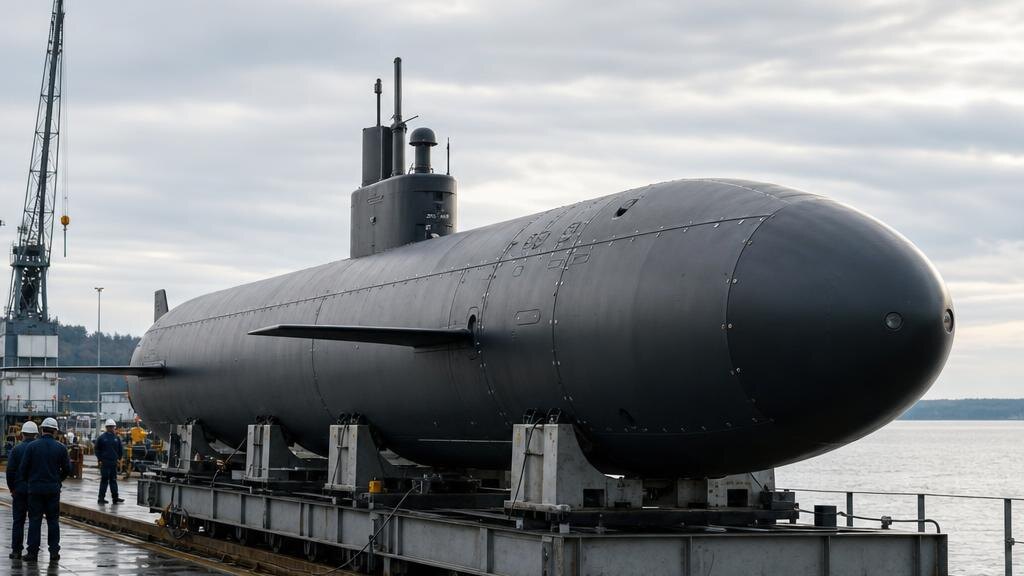
The U.S. Navy has initiated a quest for innovative solutions to counter the rising threats posed by cruise missiles and attack drones. In a recent white paper request, the Navy outlined its vision for a containerized low-cost interceptor system, termed the Naval Affordable Interceptor. This concept involves the development of a launcher capable of deploying at least 60 missiles, designed to provide a swift and adaptable response to aerial threats.
As unmanned aerial vehicles (UAVs) become more prevalent in modern warfare, the need for effective countermeasures has never been more critical. The advent of cheap, commercially available drones has democratized aerial warfare, allowing non-state actors and adversarial nations to launch sophisticated attacks. By investing in a containerized interceptor system, the Navy aims to enhance its defensive posture, particularly in littoral areas where surface vessels are highly vulnerable.
The focus on a containerized platform allows for flexibility in deployment and logistics, giving naval forces the ability to respond quickly to evolving threats. This approach enables the integration of advanced weapon systems that can be rapidly switched out or upgraded as technology advances. The ability to launch a high volume of interceptors simultaneously could overwhelm enemy attacks and protect vital naval assets.
Moreover, this move aligns with broader trends in defense spending, where the emphasis is shifting towards cost-effective solutions that can be rapidly fielded. As the Navy evaluates potential designs, the emphasis will likely be on systems that offer high reliability and effectiveness without incurring prohibitive costs. This strategic pivot could pave the way for a new generation of naval defense capabilities that better address the challenges presented by modern aerial threats.
As the program develops, it will be crucial for the Navy to balance the need for advanced technology with affordability, ensuring that these interceptors can be effectively integrated into existing naval operations. The outcome of this initiative will have significant implications for the Navy's operational readiness and its ability to safeguard maritime interests in an increasingly contested global environment.