Naval ·
U.S. Navy Expands Robotics and Autonomous Systems Management
The U.S. Navy has established a new role for overseeing robotics and autonomous systems to enhance operational effectiveness.
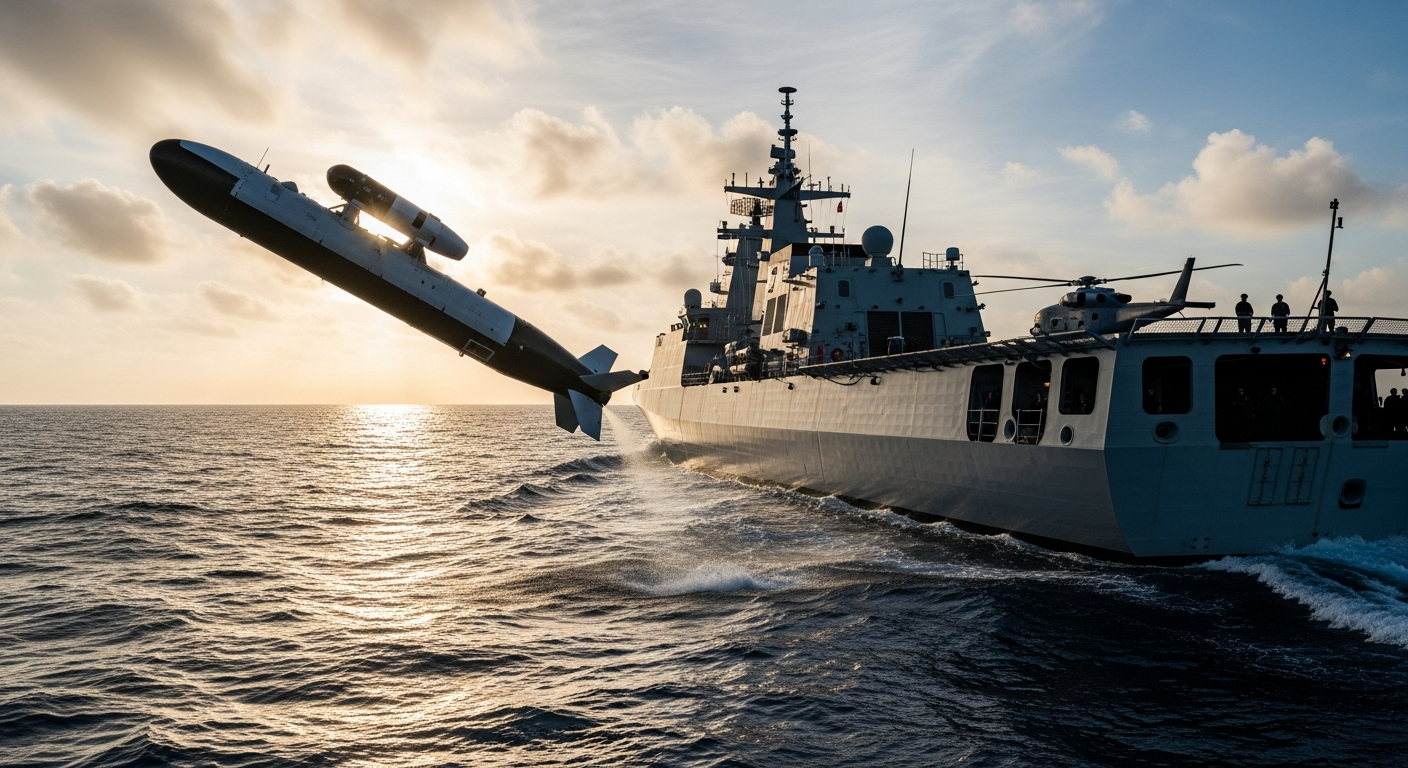
The U.S. Navy has taken a significant step in advancing its unmanned systems capabilities by creating a new position for overseeing robotics and autonomous systems within its acquisition framework. This move is aimed at streamlining the integration and management of these technologies across the fleet. Chris Miller, who has extensive experience in maritime systems, has been appointed as the acting Director of Robotics and Autonomous Systems (DRPM RAS).
This new role reflects the Navy's recognition of the importance of autonomous systems in modern naval warfare. As the service seeks to enhance its operational effectiveness, the focus will be on integrating unmanned vehicles—both aerial and surface—into various missions. By centralizing oversight, the Navy aims to create a more efficient process for developing and deploying these systems.
The establishment of this position is part of a broader trend within the Department of Defense to prioritize autonomous technologies. With adversaries increasingly adopting unmanned systems, the Navy's emphasis on robotics will be crucial in maintaining a competitive edge. The strategic integration of these technologies will not only enhance combat capabilities but also improve logistics, surveillance, and reconnaissance operations.
As the Navy moves forward with this initiative, it will likely engage in closer collaboration with industry partners to accelerate the development of next-generation unmanned systems. This partnership approach will be essential for ensuring that the Navy can adapt quickly to emerging threats and leverage the full potential of robotics in its operations.