Naval ·
U.S. Navy Establishes RASWDC To Accelerate Unmanned Systems Integration
The U.S. Navy has created the Robotic and Autonomous Systems Warfighting Development Center (RASWDC) to enhance the operational integration of unmanned systems, marking a significant step toward modernizing naval warfare.
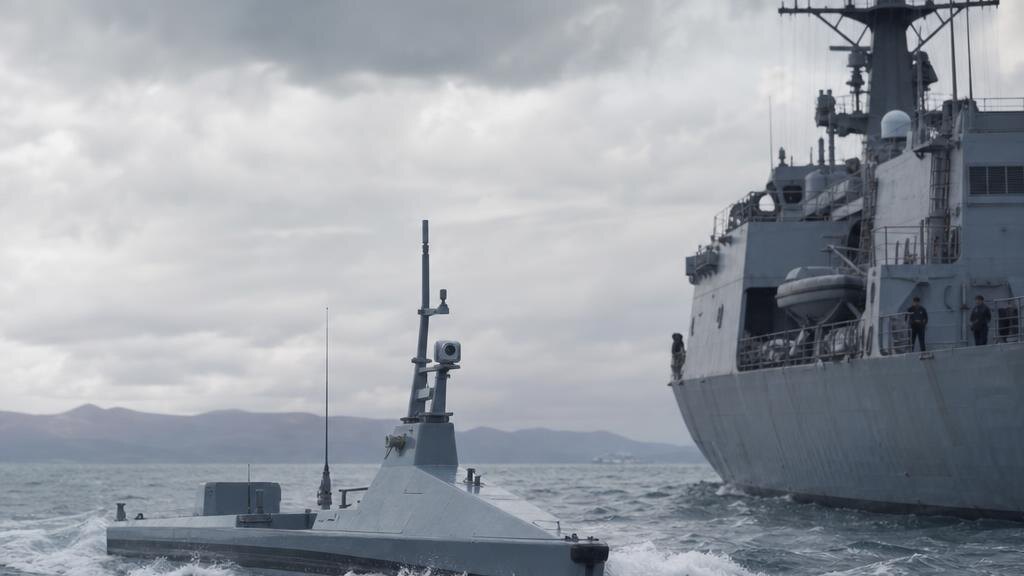
In a strategic move to enhance its capabilities in unmanned warfare, the U.S. Navy has officially established the Robotic and Autonomous Systems Warfighting Development Center (RASWDC). Headquartered at Joint Expeditionary Base Little Creek-Fort Story in Virginia, this new command aims to streamline the integration of various unmanned systems, including aerial drones, surface vessels, and underwater vehicles, into the Navy's operational framework. This initiative highlights the Navy's commitment to adapting its tactics and technologies to meet modern warfare's evolving demands.
The RASWDC is tasked with accelerating the development, operational integration, and employment of robotic and autonomous systems across the maritime domain. This encompasses a wide range of unmanned systems, from uncrewed surface vessels (USVs) to autonomous underwater vehicles (AUVs) and aerial drones. The center is expected to play a pivotal role in enhancing the Navy's operational readiness and effectiveness in an increasingly complex security environment. By centralizing the development of these technologies, the Navy aims to create a cohesive strategy that maximizes the potential of unmanned systems in various operational contexts.
The establishment of RASWDC comes at a time when the U.S. Navy is facing significant challenges in maritime security, particularly from near-peer adversaries such as China and Russia. These nations have made substantial advancements in their own unmanned systems capabilities, which pose threats to U.S. naval operations. By integrating unmanned systems into its operational strategies, the Navy aims to maintain its technological edge and ensure that it can effectively counter emerging threats. The RASWDC will likely focus on developing countermeasures and tactics that leverage unmanned systems to mitigate risks posed by adversarial technologies.
Technologically, the RASWDC will focus on developing and refining platforms such as the Medium Unmanned Surface Vessel (MUSV) and the Unmanned Underwater Vehicle (UUV). The MUSV, for instance, is designed to operate autonomously for extended periods, enabling it to conduct surveillance, reconnaissance, and logistics missions without the need for direct human control. This capability not only enhances operational efficiency but also reduces the risk to human personnel. Moreover, the RASWDC is expected to explore advanced sensor technologies and artificial intelligence (AI) to improve the decision-making processes of these unmanned systems, allowing them to adapt to dynamic operational environments.
Furthermore, the RASWDC is positioned to facilitate joint operations with other branches of the U.S. military and allied forces. The collaborative nature of modern warfare necessitates interoperability among various service branches, and the integration of unmanned systems is critical to achieving this goal. The center will likely work closely with organizations such as the U.S. Army and Air Force to develop common standards and protocols for unmanned operations, ensuring seamless coordination in joint missions. This interoperability is essential not only for operational effectiveness but also for building trust and cooperative strategies among allied nations in joint maritime operations.
Despite the promising developments, the RASWDC faces several challenges. One of the most pressing issues is the need for robust cybersecurity measures to protect unmanned systems from potential hacking and electronic warfare tactics employed by adversaries. As these systems become more integrated into military operations, the risks associated with cyber vulnerabilities also increase. The Navy must invest in advanced cybersecurity solutions to safeguard its unmanned assets. This includes developing secure communication channels and employing encryption technologies to protect data transmitted between unmanned systems and command centers.
Additionally, there are operational constraints related to the deployment of unmanned systems. The Navy must ensure that these systems can operate effectively in diverse maritime environments, which can vary significantly in terms of weather conditions, sea states, and potential threats. The RASWDC will need to conduct extensive testing and evaluation to refine the capabilities of unmanned systems and ensure their reliability in real-world scenarios. This operational testing will be critical in understanding how unmanned systems can be employed in various missions, from anti-submarine warfare to mine countermeasures, and how they can be adapted to different maritime theaters.
As the RASWDC ramps up its efforts, there are still many unknowns regarding the long-term implications of integrating unmanned systems into naval warfare. Questions remain about the ethical considerations of using autonomous systems in combat, the extent to which these systems can replace traditional manned platforms, and how adversaries may respond to the increasing reliance on unmanned technologies. The outcomes of these considerations will shape the future of naval operations in the coming years. Ethical frameworks will need to be established to guide the deployment of autonomous systems, ensuring compliance with international law and minimizing unintended consequences in conflict scenarios.
In conclusion, the establishment of the Robotic and Autonomous Systems Warfighting Development Center represents a significant step forward for the U.S. Navy as it seeks to modernize its approach to warfare. By focusing on the integration of unmanned systems, the Navy aims to enhance its operational capabilities and maintain its strategic advantage in an increasingly contested maritime domain. The success of this initiative will depend on overcoming technological, operational, and ethical challenges while ensuring effective collaboration across military branches and allied forces. As the RASWDC moves forward, its impact on naval warfare will be closely monitored, with implications that could redefine maritime strategy in the years to come.