Naval ·
U.S. Navy Conducts Trials for Robotic Towed Connector to Refuel USVs
The U.S. Navy successfully trialed a robotic towed connector designed to refuel unmanned surface vessels, enhancing operational capabilities.
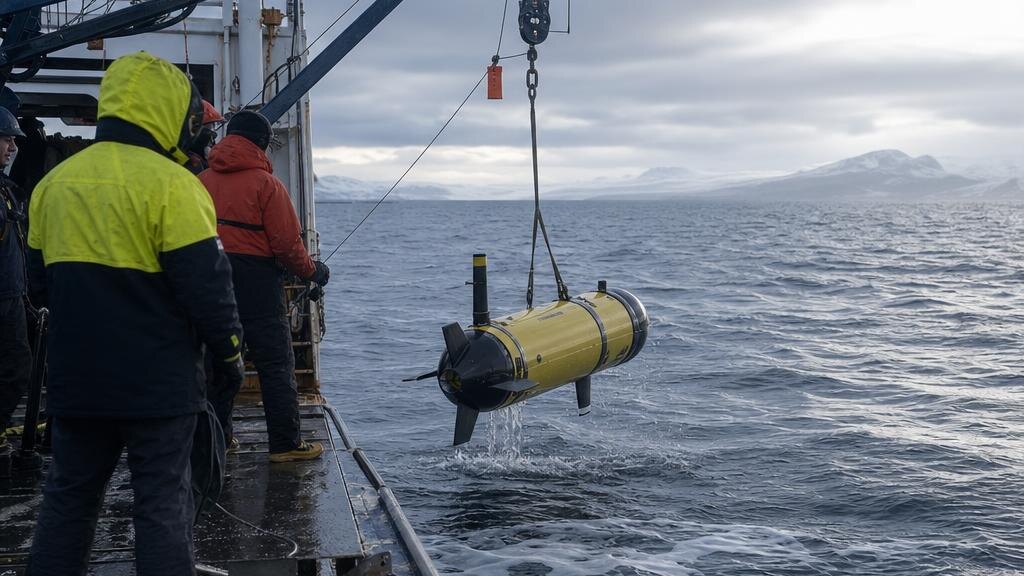
The U.S. Navy has recently conducted trials of a robotic towed connector intended to enable the refueling of unmanned surface vessels (USVs) autonomously. This innovative technology represents a significant advancement in the operational capabilities of the Navy's unmanned fleet, allowing for sustained missions at sea without the need for manned support vessels. The trial, which took place on August 11, showcased the potential for increased operational efficiency and reduced risks to personnel during refueling operations.
The robotic towed connector operates by autonomously capturing, refueling, and releasing USVs, which is critical for maintaining their operational readiness during extended missions. This capability is particularly important as the U.S. Navy seeks to expand its use of unmanned systems for various maritime operations, from surveillance to combat and logistics. By incorporating this technology, the Navy aims to enhance the endurance of its unmanned fleets, thereby increasing mission effectiveness and adaptability.
As the Navy continues to embrace unmanned surface vessels, the robotic connector is poised to play a vital role in future maritime operations. The ability to refuel USVs without requiring crewed vessels minimizes risks and allows for more flexible operational planning, particularly in contested environments. This advancement could also lead to cost savings by reducing the need for additional manned support ships and personnel.
The successful trials of the robotic towed connector demonstrate the Navy’s commitment to leveraging automation and robotics in enhancing maritime capabilities. As unmanned systems become increasingly integral to naval operations, innovations like this will be crucial in maintaining a competitive edge in modern warfare. The Navy's focus on developing such technologies reflects a broader trend in the defense industry toward integrating autonomous systems into traditional military operations.