Naval ·
U.S. Navy Advances Autonomous Ship Technology with Engine Certification
The U.S. Navy has certified Rolls-Royce engines for use in autonomous naval vessels, marking a significant step forward in unmanned maritime operations.
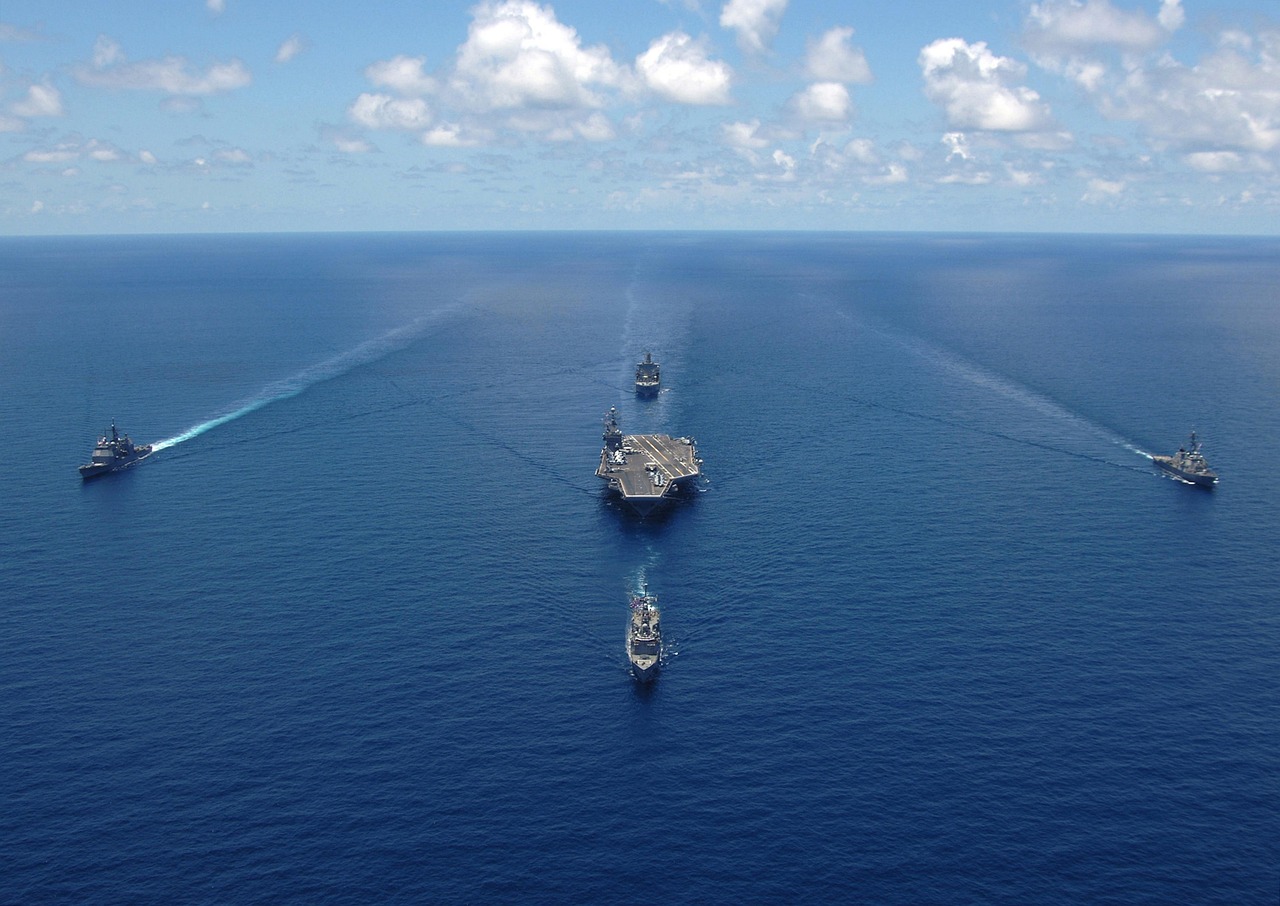
The U.S. Navy has taken a significant step towards enhancing its unmanned maritime capabilities by certifying Rolls-Royce's mtu Series 4000 and Series 2000 marine engines for use in autonomous ships. This certification paves the way for the integration of advanced propulsion systems into future naval vessels, which will play a crucial role in expanding the Navy's operational reach and flexibility.
The successful certification process involved rigorous testing to ensure that the engines meet the stringent standards required for autonomous operations. As the Navy looks to enhance its fleet with unmanned surface vehicles (USVs), the need for reliable and efficient power sources remains paramount. The mtu engines are expected to provide the necessary performance and reliability for these advanced vessels, which will be tasked with missions ranging from surveillance to logistics support.
The move towards autonomous maritime systems is indicative of a broader trend within naval warfare, where unmanned vessels are increasingly seen as force multipliers. The capability to operate without human crews not only reduces operational costs but also allows for missions in high-risk environments where human presence may be untenable. This shift is expected to revolutionize naval operations, providing greater strategic advantages in contested waters.
As the U.S. Navy prepares to integrate these certified engines into its unmanned vessels, the focus may also shift to developing advanced command and control systems to effectively manage these autonomous platforms. The certification of Rolls-Royce engines is just one of many steps in the ongoing evolution of naval warfare, highlighting the importance of innovation in maintaining maritime superiority in the face of emerging threats.