Air ·
U.S. Military's Directed Energy Systems Take a Stand Against Drone Threats
The U.S. military has successfully deployed directed energy systems to counter drone threats at its borders, showcasing an innovative approach to modern aerial defense.
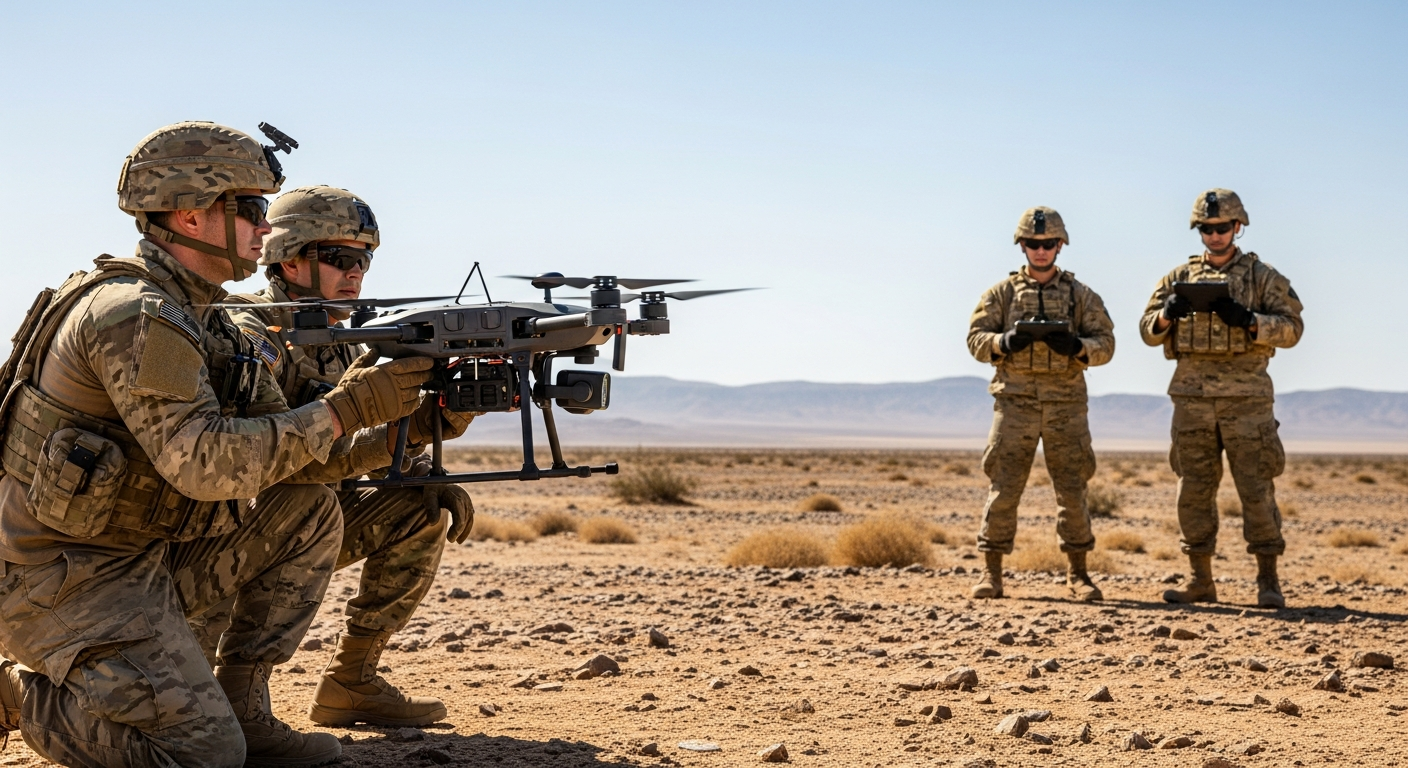
In a significant advancement towards drone defense, the U.S. military has utilized directed energy systems to engage and defeat unauthorized drones at its borders. While specific details about the engagement locations and the identities of the suspects remain undisclosed, the military hinted that these drones may have been operated by drug cartels for reconnaissance purposes.
Directed energy systems, such as High Energy Lasers (HELs), provide a cost-effective and precise means of neutralizing aerial threats. Unlike traditional kinetic weapons, these systems can engage multiple targets rapidly without the need for ammunition replenishment, making them ideal for counter-drone operations in high-traffic areas.
This recent deployment reflects a growing trend within the military to integrate advanced technology into its security measures. As drone usage proliferates, particularly among non-state actors, the need for robust and adaptable defense systems becomes critical. The ability to utilize directed energy not only enhances the military's operational capabilities but also positions it to respond effectively to the evolving landscape of aerial threats.
Additionally, this initiative could pave the way for further advancements in drone warfare, as the military explores the intersection of unmanned systems and directed energy technology. Future developments may lead to more sophisticated systems capable of detecting, tracking, and neutralizing drone threats autonomously, providing a comprehensive defense solution.
In conclusion, the U.S. military's deployment of directed energy systems marks a notable shift in its approach to drone threats. As these technologies continue to evolve, they will play a crucial role in shaping the future of aerial defense strategies and ensuring the security of U.S. borders.