Air ·
U.S. Marines Team Up with Allies for Kamandag 10 Exercise in the Philippines
The U.S. Marines join forces with Philippine, Japanese, and South Korean troops for a multi-national military exercise focused on enhancing readiness and interoperability.
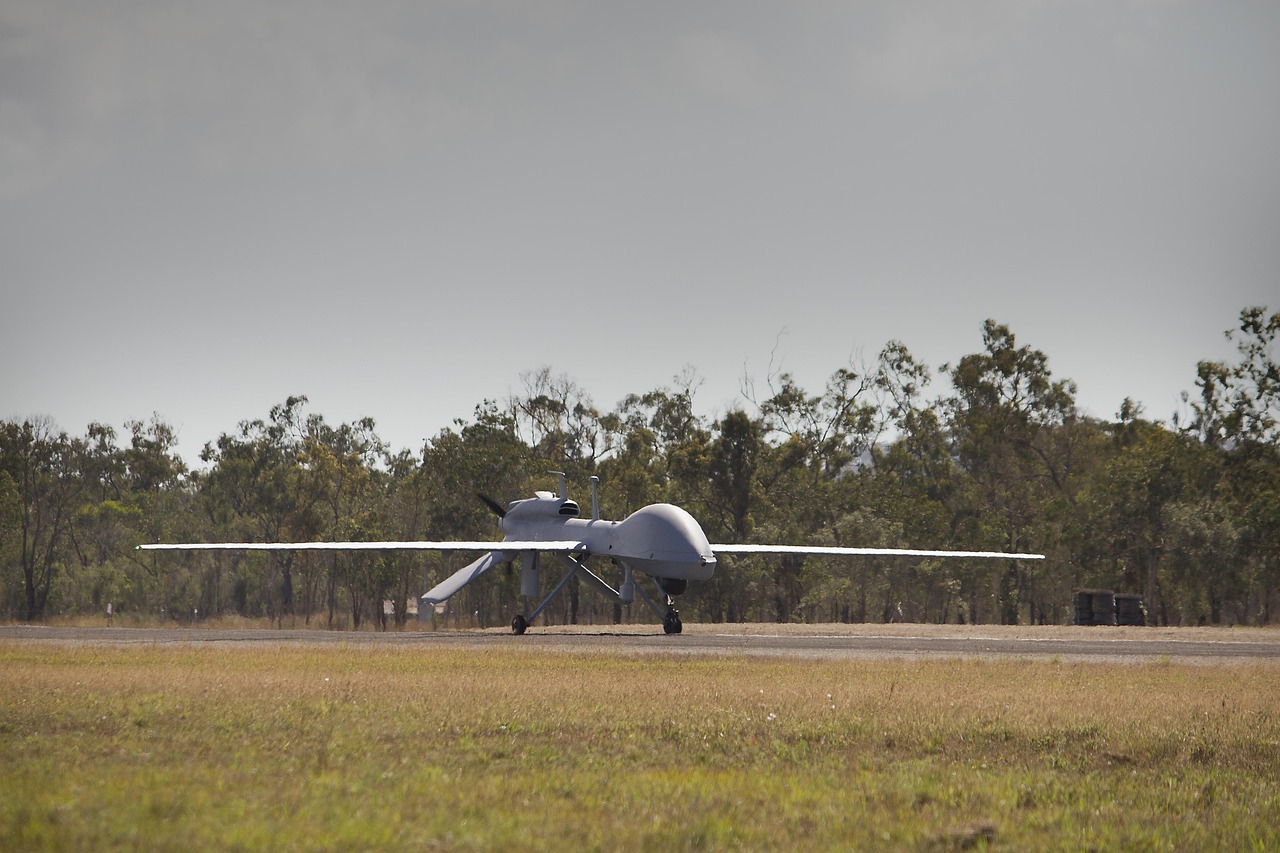
The U.S. Marines have commenced Exercise Kaagapay ng mga Mandirigma ng Dagat 10, commonly known as Kamandag 10, in the Philippines, highlighting the importance of multinational training in enhancing regional security. This exercise brings together forces from the Philippines, Japan, and South Korea, focusing on improving interoperability and readiness among allied nations in the Indo-Pacific region. Such exercises are vital in fostering cooperation and ensuring that allied forces can operate seamlessly together in a crisis.
During Kamandag 10, the U.S. Marines will engage in a range of operations, which may include joint air operations, amphibious landings, and the integration of unmanned systems into tactical scenarios. The incorporation of drones and other unmanned technologies is expected to play a significant role in these operations, enhancing situational awareness and providing support for ground troops in various scenarios. The use of unmanned aerial vehicles (UAVs) will allow for reconnaissance, target acquisition, and even offensive operations if necessary.
The focus on unmanned systems during such exercises is indicative of a broader trend within military training, where advanced technology is increasingly integrated into traditional warfare tactics. The ability to utilize UAVs for surveillance and intelligence gathering can significantly improve the effectiveness of joint operations, allowing commanders to make informed decisions based on real-time data. This is particularly crucial in the dynamic and often unpredictable environment of the Indo-Pacific, where rapid response capabilities are essential.
Furthermore, Kamandag 10 serves as an opportunity for the U.S. Marines to demonstrate their commitment to regional allies amid rising tensions in the area. By conducting joint exercises, the U.S. reinforces its partnerships with neighboring countries and reassures them of its support in the face of potential threats. This commitment to collective security is a cornerstone of American defense strategy in the region, emphasizing deterrence through unity and cooperation.
As the exercise unfolds, the lessons learned from integrating unmanned systems into joint operations will likely inform future military strategies and technological developments. The U.S. Marines' participation in Kamandag 10 not only enhances their own capabilities but also strengthens the overall readiness and resilience of allied forces in the Indo-Pacific, preparing them for a wide range of contingencies.