Air ·
U.S. Marines Implement New Drone Strategies from Temporary Base in Darwin
The U.S. Marines are adapting their operational strategies using drones during their rotation in Darwin, Australia.
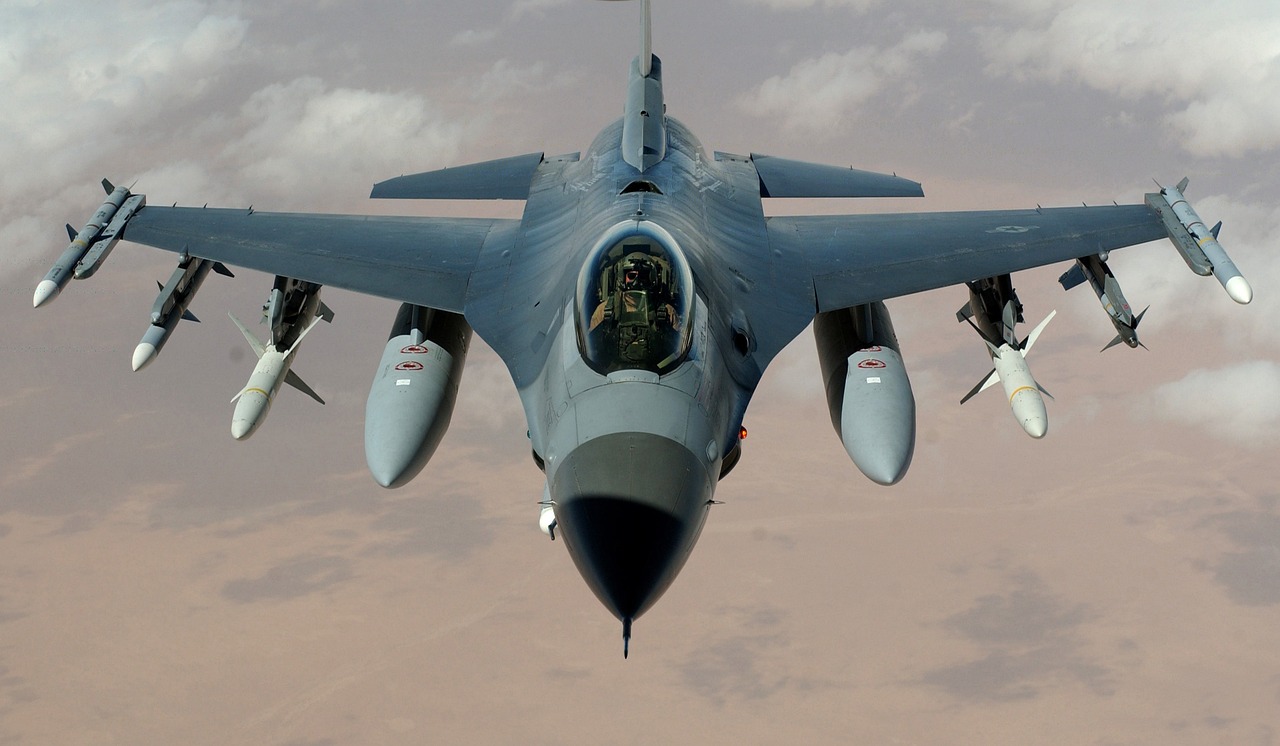
This year's Marine Rotation Force-Darwin marks a historic shift for the U.S. Marines, as it is the first in 15 years to officially operate as a Marine Air-Ground Task Force (MAGTF). This evolution allows for a more integrated approach to operations, particularly with the incorporation of unmanned aerial vehicles (UAVs) into their strategies. The use of drones is becoming increasingly pivotal in enhancing situational awareness and operational effectiveness in the Indo-Pacific region.
The MAGTF structure enables the Marines to conduct sophisticated multi-domain operations, combining air, ground, and maritime capabilities. Drones play a crucial role in this integration, providing real-time intelligence, surveillance, and reconnaissance (ISR) support. As tensions rise in the region, the ability to deploy UAVs for quick reconnaissance missions enhances the Marines' responsiveness and adaptability.
While stationed in Darwin, the Marines are not only honing their drone capabilities but also strengthening partnerships with Australian Defense Forces. Joint exercises and operations are essential for ensuring interoperability and maximizing the effectiveness of both forces. The incorporation of UAVs allows for enhanced coordination and a deeper understanding of shared operational goals.
Furthermore, as the Marines explore new tactics and strategies, the implications of drone warfare in modern combat are becoming increasingly clear. The use of UAVs in the Pacific theater underscores their significance in shaping future military operations, where rapid information gathering and precise targeting can make a decisive difference. This innovative approach to operations in Darwin highlights the evolving nature of ground combat and the critical role that unmanned systems will play in future conflicts.