Air ·
U.S. Marine Corps Seeks New Anti-Tank Loitering Munitions
The U.S. Marine Corps aims to procure lightweight, loitering munitions for enhanced anti-tank capabilities in the field.
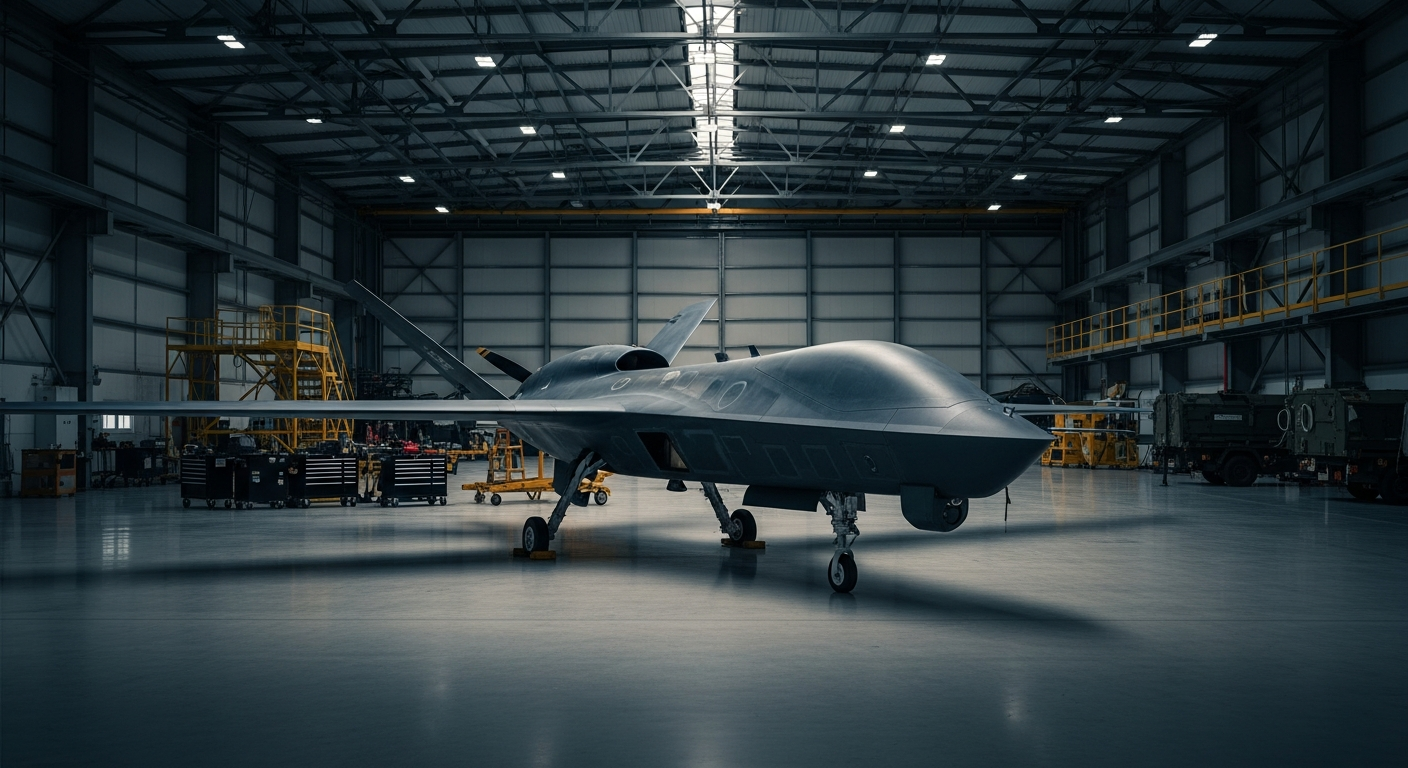
The U.S. Marine Corps is actively pursuing the development of a new anti-tank loitering munition that is light enough to be carried by two dismounted Marines and has a range of approximately 15 miles. This initiative reflects the Marines' recognition of the changing dynamics of battlefield engagements, where traditional armored warfare is being challenged by more mobile and dispersed combat strategies.
Loitering munitions, often referred to as 'kamikaze drones,' offer a unique tactical advantage by allowing operators to engage targets with precision from a safe distance. The Marine Corps' focus on lightweight systems aligns with the need for mobility and flexibility in modern combat scenarios, where soldiers require equipment that can be easily transported and deployed.
The emphasis on anti-tank capabilities highlights the ongoing threat posed by armored vehicles in contemporary conflicts. With adversaries continuing to invest in advanced tank designs, the Marine Corps aims to ensure its forces are equipped with effective countermeasures. By incorporating loitering munitions into their arsenal, the Marines can enhance their ability to neutralize threats while minimizing the risk to personnel.
This program is part of a broader trend within the U.S. military to integrate unmanned systems into various operational roles. The ability to loiter over a battlefield and strike at the right moment can significantly alter the outcome of engagements, providing a level of tactical advantage that traditional munitions cannot offer. As the development progresses, the Marine Corps will likely evaluate various technological solutions to meet their operational requirements.
Ultimately, the U.S. Marine Corps' pursuit of advanced loitering munitions underscores the importance of innovation in defense strategies. As the nature of warfare continues to evolve, the integration of new technologies will be essential in maintaining operational effectiveness against increasingly sophisticated threats.