Air ·
U.S. Marine Corps Enhances Air Defense Capabilities in the Philippines
The U.S. Marine Corps is expanding its air defense capabilities by deploying an expeditionary air defense radar system to the Philippines, showcasing a commitment to regional security.
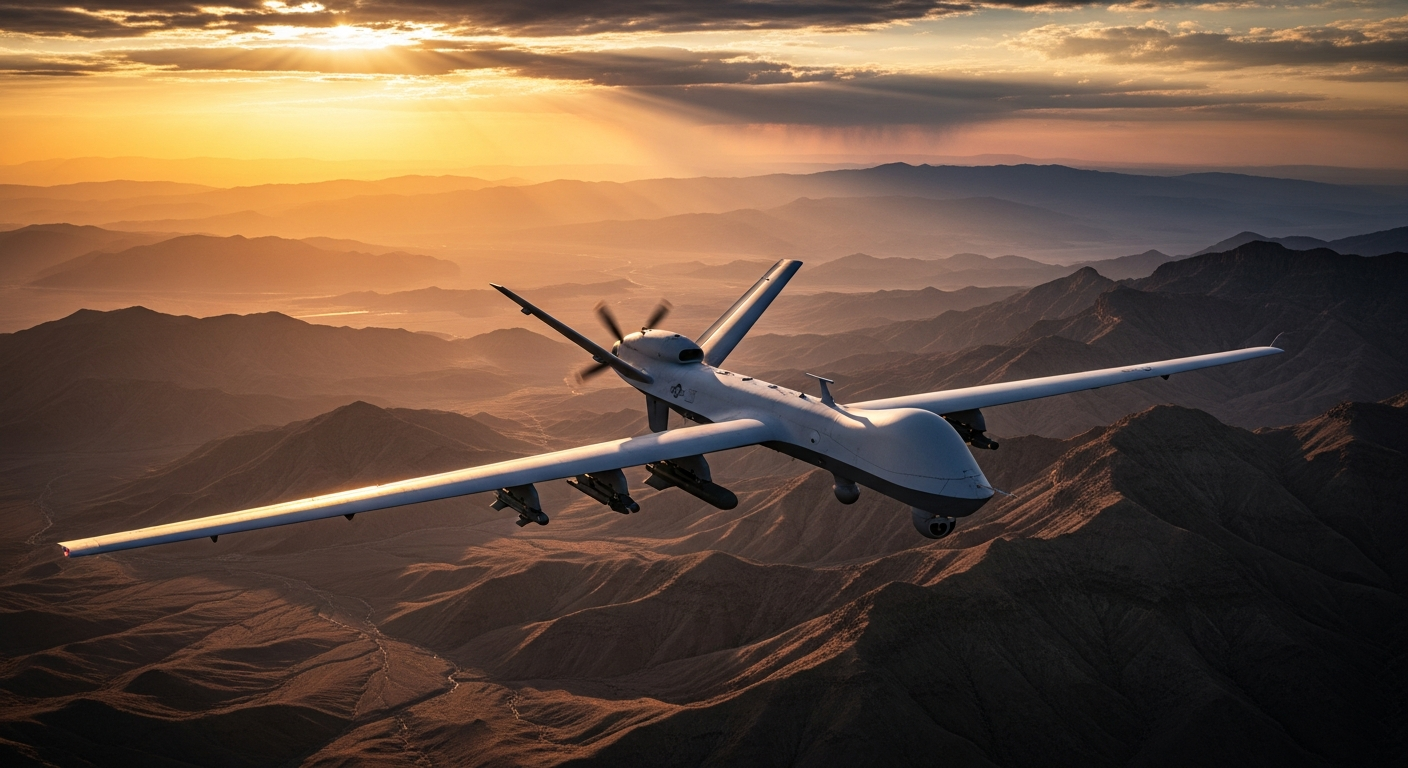
The U.S. Marine Corps has recently rehearsed the deployment of an AN/TPQ-53 radar system to the Philippines, signaling a significant step in enhancing air defense capabilities in Southeast Asia. This move aligns with ongoing efforts to support the Philippine military in modernizing its defense posture amid growing regional tensions, particularly with the increasing assertiveness of China in the South China Sea.
The AN/TPQ-53 radar system is designed to detect incoming artillery, mortars, and rockets, providing crucial situational awareness for ground forces. This deployment is part of a broader strategy to bolster defense cooperation between the U.S. and the Philippines and reflects the U.S. commitment to maintaining stability in the region. The maneuverability of the radar system allows it to be quickly relocated, enhancing its effectiveness in dynamic operational environments.
The exercise also underscores the importance of joint training between U.S. and Philippine forces, which aims to improve interoperability and enhance overall readiness. As the Philippines continues to modernize its military capabilities, the integration of advanced radar systems like the AN/TPQ-53 will be vital for effective air defense, particularly against drone threats and missile attacks.
Moreover, this deployment is timely given the evolving nature of warfare and the increasing reliance on unmanned aerial systems (UAS) in military operations. By providing advanced air defense capabilities, the U.S. Marine Corps is not only supporting the Philippines but also setting a precedent for future collaborations in air defense and unmanned systems technology. This strategic partnership is crucial in addressing the complex security challenges in the Indo-Pacific region, as nations seek to deter aggression and protect national interests.
In conclusion, the deployment of the AN/TPQ-53 radar system to the Philippines exemplifies the U.S. Marine Corps' commitment to enhancing regional security and demonstrates the increasing importance of advanced air defense systems in modern military operations. As tensions continue to rise in the region, such capabilities will play a critical role in safeguarding U.S. allies and maintaining a balance of power in the Indo-Pacific area.