Land ·
U.S. Marine Corps Advances Unmanned Ground Systems with New Contracts
The U.S. Marine Corps has awarded contracts for the development of advanced reconnaissance vehicle prototypes, marking a significant step towards enhancing their unmanned ground capabilities.
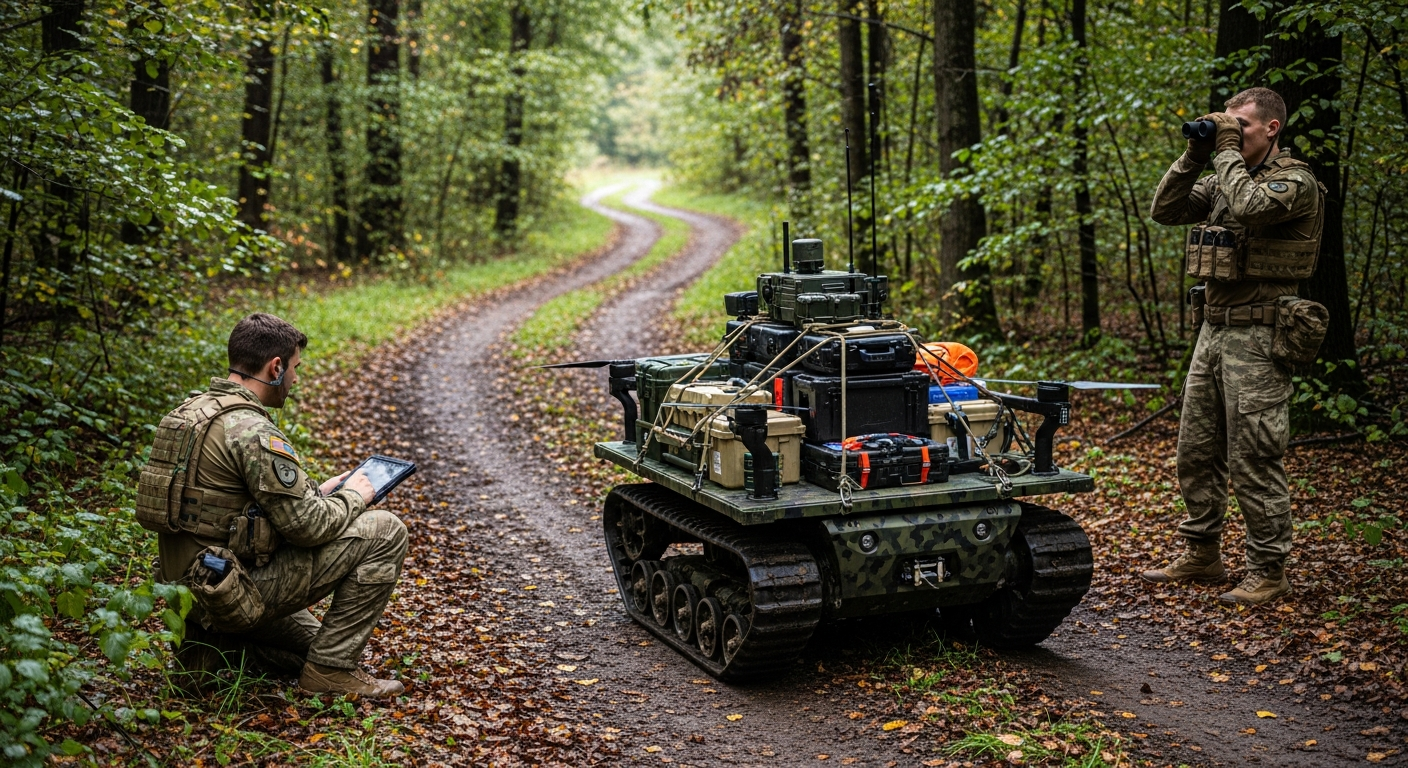
In a strategic move to bolster its reconnaissance capabilities, the U.S. Marine Corps has awarded contracts to General Dynamics Land Systems and Textron Systems Corporation. This initiative is part of the second phase of rapid prototyping for the Marine Corps' Advanced Reconnaissance Vehicle (ARV), which aims to integrate advanced technologies into ground operations. The ARV is expected to enhance situational awareness and operational effectiveness in complex environments, reflecting the Corps' commitment to modernizing its combat capabilities.
The ARV program is designed to replace aging reconnaissance platforms while incorporating new technologies that enhance both manned and unmanned operations. Features of the ARV prototype are expected to include advanced sensors, AI-driven analytics, and the capacity for autonomous operations. These upgrades will not only improve reconnaissance but also facilitate safer troop deployments and reduce the risk of casualties during missions.
As the Marine Corps continues to operate in increasingly contested environments, the integration of unmanned systems becomes vital. The ARV is anticipated to work in tandem with existing unmanned aerial vehicles (UAVs) and other robotic systems, creating a more comprehensive battlefield picture. This multi-domain approach is crucial for the Marines, particularly as they prepare for potential future conflicts in the Indo-Pacific region.
This initiative also underscores the growing trend within military circles to adopt unmanned systems across various platforms. By investing in advanced reconnaissance vehicles, the Marine Corps aims to ensure that it remains at the forefront of technological advancements in military operations. The collaboration with industry partners like General Dynamics and Textron reflects a broader strategy of leveraging private sector innovation to enhance military capabilities.
In conclusion, the Marine Corps' commitment to developing the Advanced Reconnaissance Vehicle through partnerships with leading defense contractors highlights the importance of unmanned systems in modern warfare. As these prototypes progress through testing and development, the potential for transformative changes in reconnaissance and operational efficiency becomes evident, setting the stage for the future of ground combat operations.