Land ·
U.S. Forces Employ Drones for Border Security Operations
The Joint Task Force–Southern Border is utilizing drones to enhance security operations along the U.S.-Mexico border, marking a shift in tactics.
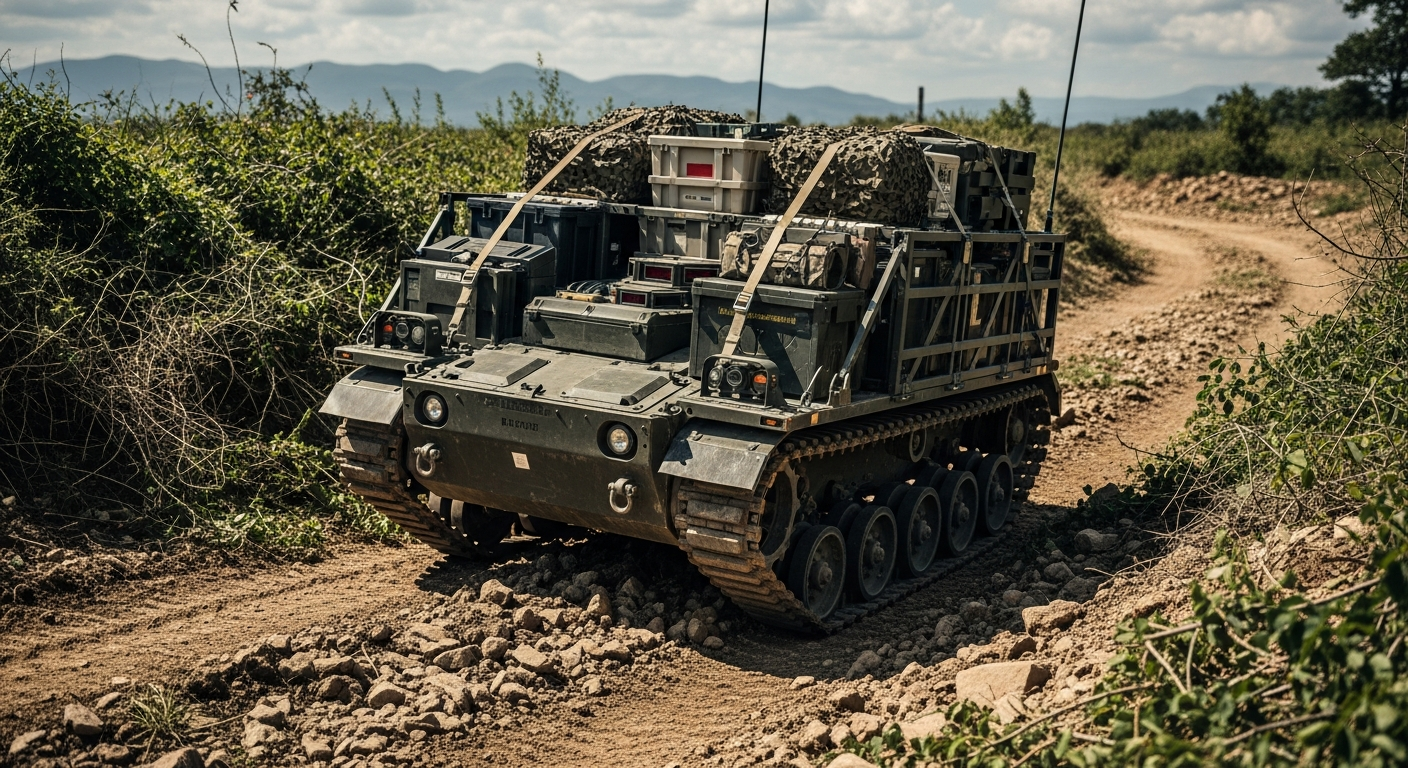
In an innovative approach to border security, the United States Joint Task Force–Southern Border (JTF-SB) is expanding its use of drones to bolster operations along the U.S.-Mexico border. This initiative encompasses a variety of roles, including surveillance, resupply missions, and the installation of physical barriers such as concertina wire. By integrating unmanned systems into these operations, JTF-SB aims to enhance its effectiveness and responsiveness in addressing border security challenges.
The use of drones for border security offers a number of advantages, notably in terms of situational awareness and operational efficiency. Drones equipped with high-resolution cameras and sensors can provide real-time intelligence on border activity, allowing ground forces to respond swiftly to potential incursions. Additionally, drones facilitate logistical support by delivering supplies to remote areas, ensuring that border patrol units are adequately equipped to carry out their missions.
As the U.S. faces increasing pressures related to immigration and drug trafficking, the role of unmanned systems is expected to grow. The deployment of drones for physical barrier installation reflects a significant evolution in tactics, enabling forces to establish obstacles more quickly and efficiently than traditional methods would allow. This not only improves border security but also enhances the overall operational tempo of border enforcement efforts.
The JTF-SB's initiative to expand drone usage highlights the ongoing transformation of military and law enforcement tactics in the face of modern challenges. As technology continues to advance, the integration of unmanned systems into security operations will likely become a standard practice, providing authorities with versatile tools to address complex border issues.