Naval ·
U.S. Central Command Shares Footage of Corsair Drones Attacking Iranian Targets
The U.S. Central Command has released footage showing the Corsair unmanned surface vessels conducting strikes against Iranian military infrastructure.
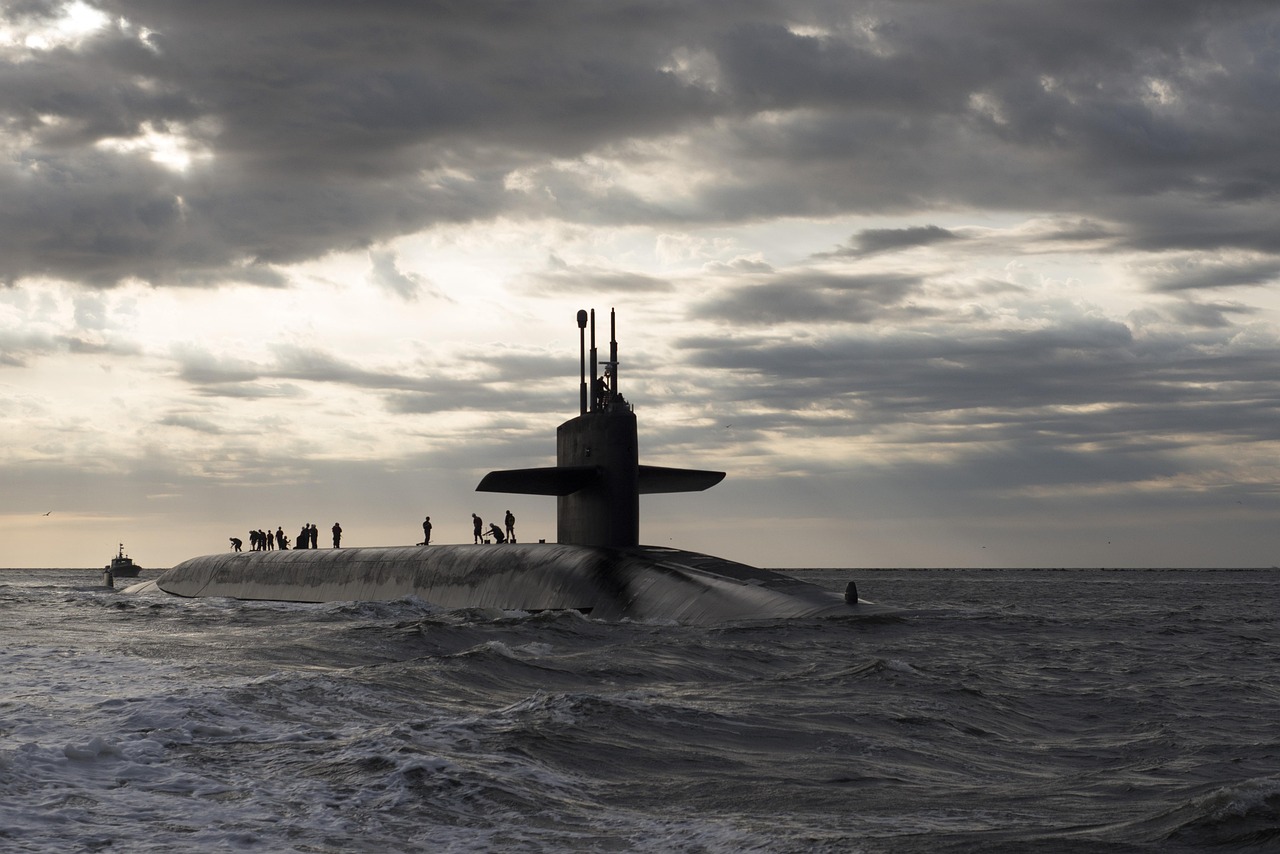
The release of a video by U.S. Central Command depicting the Corsair unmanned surface vessels (USVs) engaging Iranian military targets represents a significant transparency effort in modern warfare. The footage illustrates the tactical approach taken by these advanced vessels as they maneuver towards the pier at Bandar Abbas, striking a facility used for the maintenance of Iranian submarines. This move not only showcases the operational capabilities of USVs but also serves as a critical communication tool, sending a message to both allies and adversaries regarding U.S. military readiness.
The Corsair's capacity for stealthy approach and precision strikes enables the U.S. Navy to operate effectively in contested waters, such as the strategically crucial Strait of Hormuz. By employing unmanned systems, the Navy can mitigate risks to personnel while maximizing the effectiveness of their strikes. This operational paradigm is increasingly relevant as nations around the world enhance their capabilities in unmanned warfare, leading to a new era of naval engagements where unmanned systems play a pivotal role.
The video footage has sparked discussions among military analysts about the future of unmanned systems in naval operations. As conflicts become more complex, the integration of technology into military strategy will be essential for maintaining operational superiority. The Corsair's successful deployment and the subsequent public visibility of its operations reinforce the importance of innovation in defense strategies.
Moreover, the U.S. Navy's use of unmanned surface vessels reflects a broader trend towards automation in military operations. With advancements in artificial intelligence and drone technology, the capabilities of USVs are likely to expand, allowing for more complex missions and greater operational flexibility. This evolution will challenge traditional notions of naval warfare and necessitate new strategies for engagement in maritime domains.
In summary, the footage released by U.S. Central Command not only highlights the Corsair unmanned surface vessels' capabilities but also emphasizes the evolving landscape of naval warfare. As the U.S. continues to adapt its military strategies to incorporate advanced technologies, the role of unmanned systems will increasingly shape the future of maritime security and military operations.