Land ·
U.S. Army's New Loitering Munitions Platform: Enhancing Ground Combat Capabilities
The U.S. Army is set to receive new loitering munitions prototypes from General Dynamics Land Systems, aimed at transforming ground combat dynamics by integrating advanced unmanned systems into operational strategies.
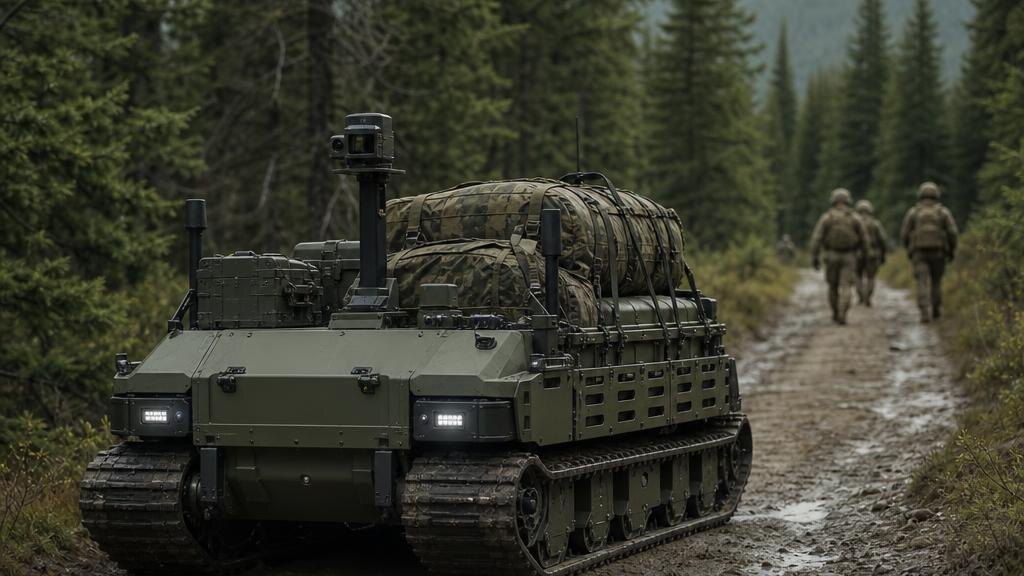
The U.S. Army is preparing to enhance its combat capabilities with the introduction of new loitering munitions platforms, specifically the PERCH 2.0 prototypes, which are expected to be delivered to the Army’s 1st Brigade, 1st Cavalry Division by the end of October 2026. This initiative, reported by Breaking Defense, marks a significant step in the Army’s ongoing efforts to integrate unmanned systems into its operational framework, particularly in ground warfare. The introduction of these systems is part of a larger trend within the military to embrace technology that can provide an edge in modern combat scenarios, where traditional methods may fall short.
Loitering munitions, often referred to as "kamikaze drones," are designed to loiter in the air for extended periods before striking a target, effectively combining the roles of reconnaissance and precision strike in one system. The PERCH 2.0 is expected to provide the capability to conduct real-time surveillance while also delivering lethal payloads against enemy forces or infrastructure. This dual functionality is particularly advantageous in contested environments, where traditional air support might be limited or too risky due to enemy air defenses. The ability to gather intelligence and strike with precision allows ground forces to operate more effectively in complex battlefield conditions.
The Army’s 1st Brigade, 1st Cavalry Division, which is set to receive these prototypes, has been at the forefront of integrating new technologies into its operations. This brigade's experience with unmanned systems will be crucial in evaluating the effectiveness and reliability of the PERCH 2.0 in real-world scenarios. The Army’s push to incorporate loitering munitions aligns with its broader strategy to enhance multi-domain operations, which emphasize the interconnectedness of land, air, sea, space, and cyber domains. By leveraging these systems, the Army aims to create a more cohesive operational framework that can respond to threats across multiple domains simultaneously.
One of the strategic advantages of loitering munitions is their ability to operate in environments where traditional air support may not be feasible. For instance, in urban combat situations or densely populated areas, the risk of collateral damage from conventional airstrikes can be significant. Loitering munitions allow for greater precision, as they can conduct surveillance before engaging a target, ensuring that the strike is necessary and justified. This capability not only minimizes civilian casualties but also helps maintain the moral high ground in military operations, which is increasingly important in contemporary warfare.
However, the integration of loitering munitions into Army operations is not without its challenges. Concerns regarding the reliability of these systems in adverse weather conditions, their vulnerability to electronic warfare tactics, and the need for robust command and control systems to operate them effectively are all critical considerations. The effectiveness of loitering munitions can be compromised by environmental factors such as rain, fog, or high winds, which may hinder their operational capabilities. Additionally, adversaries may employ countermeasures to disrupt the communication and control links essential for the deployment of these systems.
The ethical implications of using autonomous systems in combat scenarios also need to be carefully addressed, as the decision to engage a target must remain under human control. The debate surrounding the use of artificial intelligence in military applications raises questions about accountability and the potential for unintended consequences. As the Army moves forward with the deployment of the PERCH 2.0, it will be essential to establish clear guidelines and protocols to govern the use of these systems, ensuring that they are employed responsibly and in accordance with international humanitarian law.
The introduction of the PERCH 2.0 also raises questions about the future of unmanned systems in ground warfare. As technology continues to evolve, the capabilities of loitering munitions are likely to expand. Future iterations may incorporate advanced artificial intelligence for target recognition and engagement, further enhancing their effectiveness. This potential for increased autonomy could lead to significant shifts in how ground operations are conducted, necessitating new tactics and strategies to leverage these capabilities fully. The ability to process vast amounts of data quickly and make real-time decisions could revolutionize battlefield dynamics, enabling forces to respond more rapidly to changing conditions.
Moreover, the Army’s investment in loitering munitions reflects a broader trend within military forces worldwide, as nations seek to modernize their arsenals in response to evolving threats. The U.S. is not alone in exploring the potential of unmanned systems; other countries are also developing their own loitering munitions, which could lead to an arms race in this domain. The proliferation of such technologies raises strategic concerns about the balance of power and the potential for escalation in conflicts. As nations continue to invest in advanced military technologies, the landscape of warfare is likely to become increasingly competitive and complex.
As the U.S. Army prepares to integrate the PERCH 2.0 into its operations, it will be essential to monitor the outcomes of these deployments and the lessons learned from their use. The feedback from the 1st Brigade, 1st Cavalry Division will be crucial in shaping future developments and ensuring that the Army remains at the forefront of unmanned warfare capabilities. The success of this initiative could pave the way for further advancements in unmanned systems, ultimately transforming the landscape of ground combat. Continuous evaluation and adaptation will be necessary to ensure that these systems meet the evolving demands of modern warfare.
In conclusion, the Army’s acquisition of the PERCH 2.0 loitering munitions platform represents a significant step forward in enhancing ground combat capabilities. While challenges remain, the potential benefits of integrating such systems into military operations are substantial. As the U.S. Army continues to adapt to the complexities of modern warfare, the role of unmanned systems will undoubtedly become more pronounced, influencing tactics, strategy, and outcomes on the battlefield. The integration of loitering munitions not only enhances operational effectiveness but also reflects a broader shift towards a more technologically advanced and responsive military force.