Naval ·
U.S. Army's Innovative Use of Drone Boats in Logistics Security
During the Salaknib exercise in the Philippines, the U.S. Army successfully deployed drone boats to enhance the security of logistics vessels.
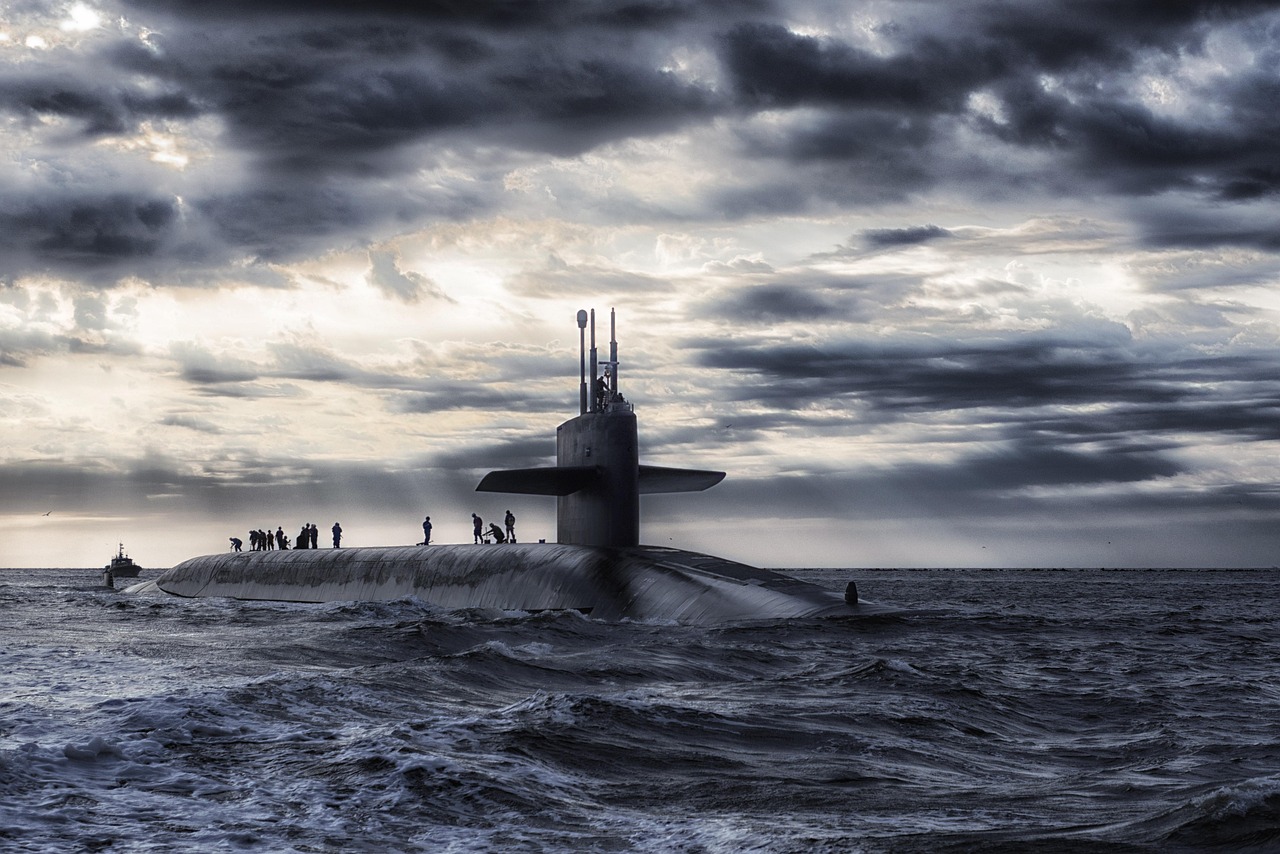
In a forward-looking operation during the Salaknib exercise in the Philippines, the U.S. Army employed drone boats to ensure the security of logistics vessels. This exercise, crucial for preparing forces in the first island chain, demonstrated the Army's commitment to integrating unmanned systems into its operational strategies. By utilizing drone boats, the Army can protect its assets while also streamlining logistical operations in contested maritime environments.
The deployment of unmanned surface vessels (USVs) for escort duties highlights a significant evolution in military logistics. Traditionally, the protection of logistics convoys has relied on manned vessels and aerial escorts, but the introduction of drone boats allows for a more efficient and effective use of resources. These USVs can operate autonomously, providing real-time surveillance and threat detection, thus enhancing the overall security posture of military operations.
Moreover, the integration of drone boats aligns with the U.S. Army's broader strategy of multi-domain operations, where land, air, and maritime forces work in concert to achieve mission objectives. The ability to deploy these unmanned vessels not only increases operational flexibility but also reduces the risk to personnel involved in logistics missions. This is particularly relevant in regions where potential threats from adversaries are present.
As the U.S. military continues to adapt to modern warfare challenges, the use of drone boats signifies a shift towards more innovative and technology-driven solutions. The successful implementation of these systems during the Salaknib exercise may pave the way for further integration of unmanned capabilities into logistics and operational frameworks. The Army's commitment to enhancing maritime security through unmanned systems will likely set a standard for future military exercises and operations.
Looking ahead, the U.S. Army's exploration of drone boats reflects a growing recognition of the importance of unmanned systems in maintaining logistical and operational superiority. As adversaries develop their own unmanned capabilities, the Army's proactive approach in adopting and integrating these technologies will be critical for sustaining combat readiness and effectiveness in various operational theaters.