Air ·
U.S. Army's Focus on Diverse Interceptors to Modernize Defense
The U.S. Army is advancing its missile defense strategy by exploring a diverse range of interceptors to enhance its capabilities against evolving threats.
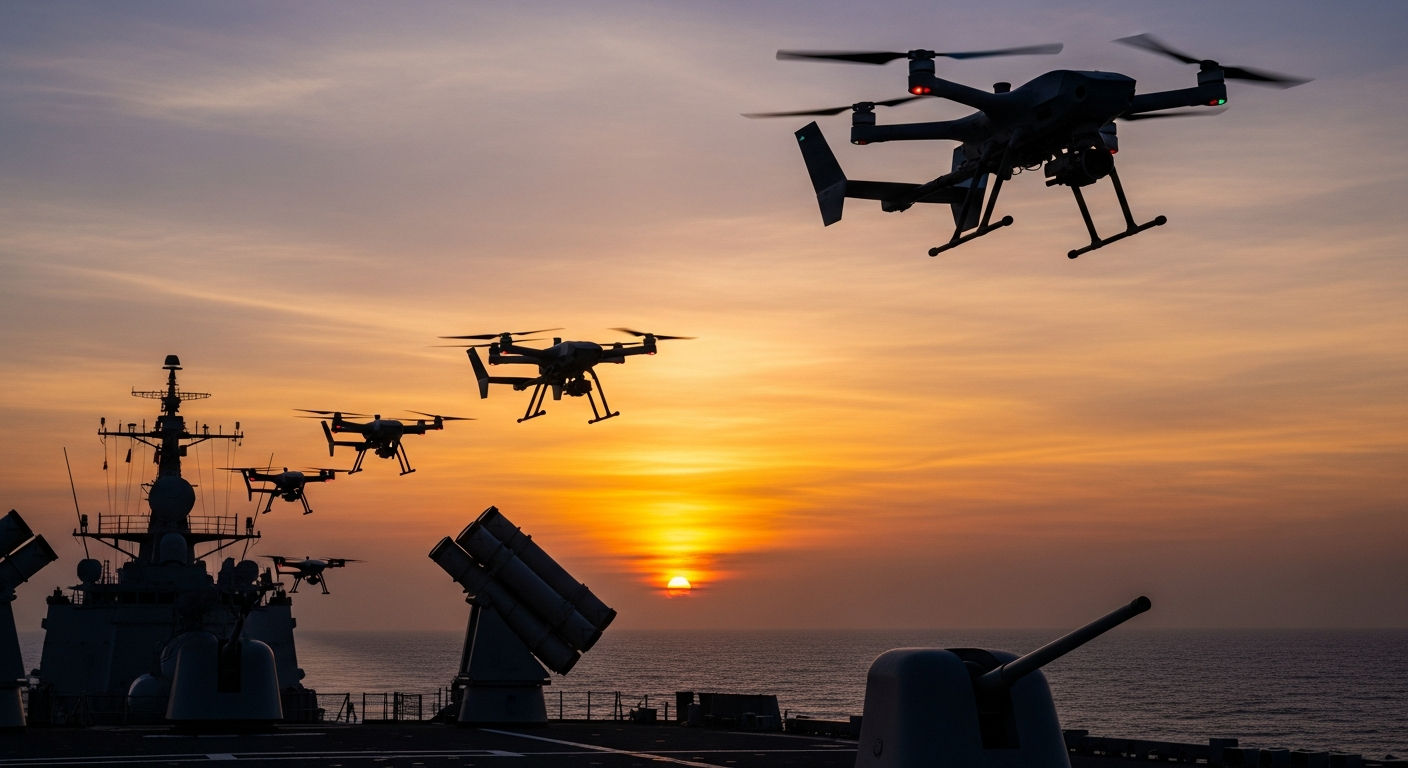
In a recent discussion, the chief of the U.S. Army’s Space and Missile Defense Command emphasized the importance of diversifying interceptors as part of a broader modernization effort. This strategy aims to ensure the Army can effectively respond to a variety of threats, including those posed by advanced unmanned systems and missiles.
The Army recognizes that the nature of warfare is changing, particularly with the increased use of drones and precision-guided munitions. By investing in a range of interceptors, the Army is preparing to counter these emerging threats more effectively. This includes not only traditional missile defense systems but also advanced technologies that can target and neutralize unmanned aerial systems.
The modernization initiative is part of a larger effort to enhance the Army’s overall defensive capabilities in an era characterized by rapid technological advancements. The integration of diverse interceptors will provide commanders with more flexible and adaptive options when addressing threats, enabling faster and more efficient responses on the battlefield.
Moreover, the Army's approach to modernization reflects a recognition of the need for interoperability with joint forces. As the U.S. military increasingly relies on integrated operations, having a versatile set of interceptors that can work seamlessly with air, land, and naval forces will be critical for ensuring comprehensive defense measures.
In conclusion, the U.S. Army's commitment to diversifying its interceptor capabilities is a proactive step in adapting to the evolving landscape of warfare. By focusing on modernization and integrating advanced technologies, the Army aims to maintain its edge against a wide array of threats, particularly those posed by unmanned systems, ensuring that it remains prepared for future conflicts.