Air ·
U.S. Army's Decision to Disband Specialized Drone Battalion Raises Questions
The U.S. Army's recent decision to disband a specialized drone battalion has prompted bipartisan inquiries from lawmakers who are seeking clarity on the motivations behind this abrupt closure.
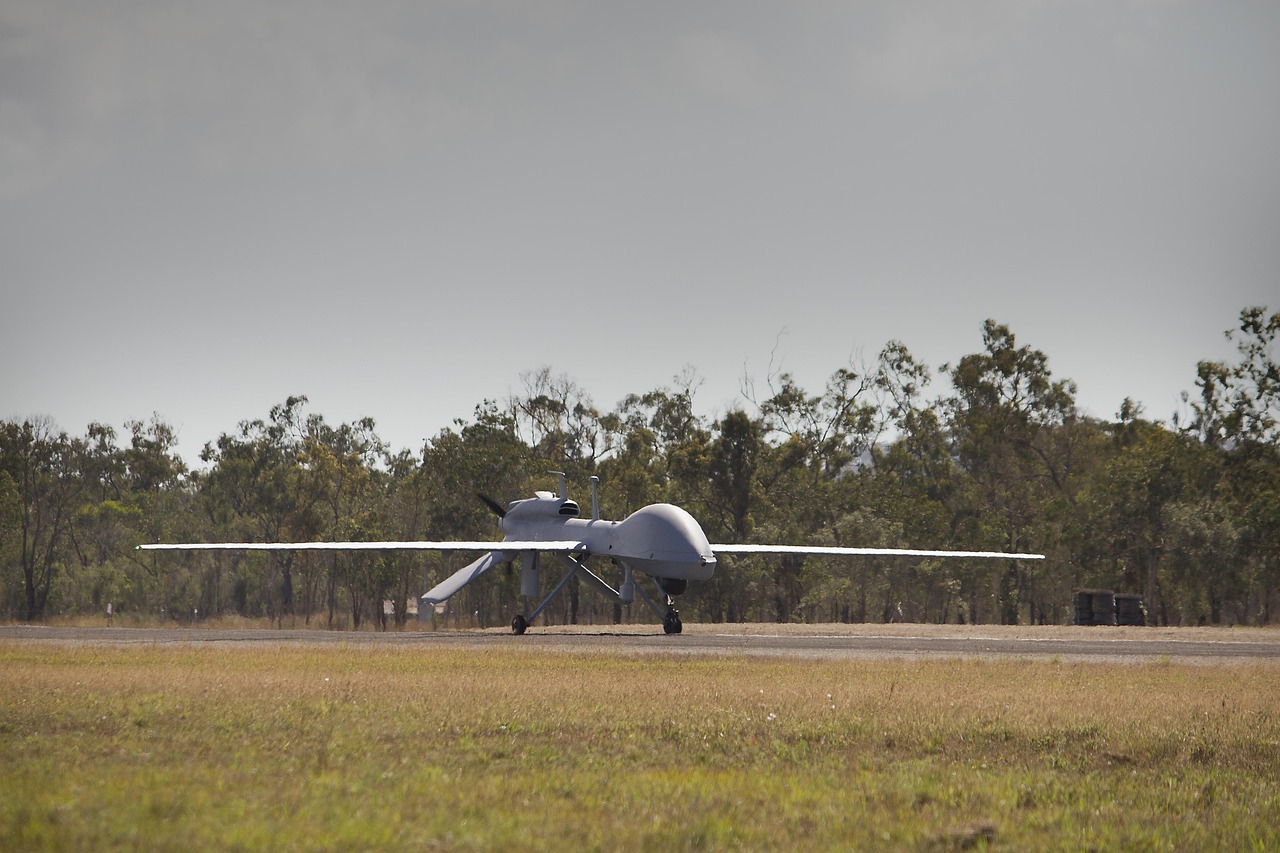
The U.S. Army's unexpected closure of a specialized drone battalion, established less than a year ago, has drawn scrutiny from a bipartisan group of lawmakers. This drone unit was designed to enhance the Army's use of unmanned aerial systems (UAS) for surveillance and reconnaissance operations, particularly in complex battlefield environments. Legislators are questioning the decision, expressing concern that the disbanding of such a unit may hinder the Army's operational capabilities and adaptability in future conflicts.
Critics of the closure argue that the Army's emphasis on traditional combat roles may overlook the increasing importance of drone technology in modern warfare. As adversaries continue to leverage UAS for a variety of purposes, including intelligence gathering and targeted strikes, the need for specialized units that can effectively operate these systems is becoming more evident. The decision to disband the drone battalion could potentially lead to a gap in expertise, which may take years to rebuild if the Army decides to invest in drone capabilities again in the future.
In the broader context of unmanned systems, the U.S. military is already facing challenges in keeping pace with technological advancements, especially as adversaries such as China and Russia invest heavily in their own drone capabilities. The Army's move has raised concerns that the service may not be fully prepared to meet the evolving threats posed by unmanned systems on the battlefield. Lawmakers are seeking answers regarding the strategic rationale behind this decision, particularly in light of the increasing reliance on drones for mission success.
The future of drone warfare is likely to be characterized by rapid technological advancements and evolving operational requirements. As the U.S. military grapples with the implications of this closure, it may be time to reevaluate how unmanned systems fit into the overall strategy for national defense. The Army's response to these concerns will be critical in shaping the future of its drone programs and ensuring that it remains competitive in an increasingly complex global security environment.
Ultimately, the disbanding of the specialized drone battalion serves as a reminder of the need for military organizations to continually adapt and innovate in response to the challenges posed by emerging technologies. As lawmakers await answers, the spotlight remains on the Army's commitment to integrating unmanned systems into its operational framework and the implications of this decision for future missions.