Land ·
U.S. Army Tests Mobile Counter-Drone System in India: A Leap Forward in Ground-Based UAV Defense
The U.S. Army's 11th Airborne Division recently demonstrated a mobile counter-drone system in India, showcasing advanced capabilities to neutralize small UAV threats in real-world scenarios.
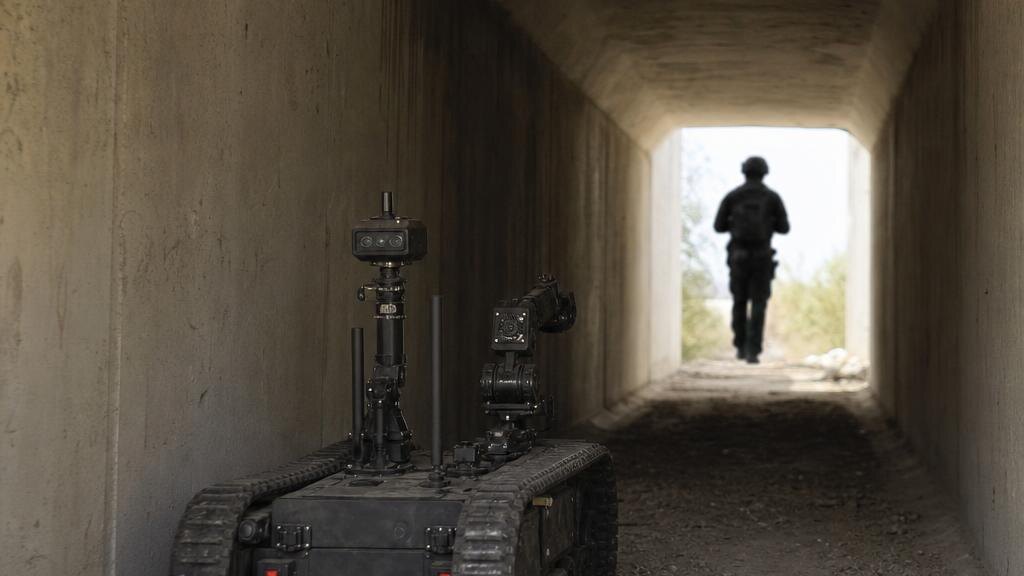
In a significant development for ground-based drone defense, soldiers from the U.S. Army's 11th Airborne Division successfully tested a mobile counter-drone system during the Yudh Abhyas 2026 exercise in the Rajasthan desert, India. This demonstration involved the Mobile Low, Slow, Small Unmanned Aircraft Integrated Defeat System (M-LIDS), which is designed to detect and neutralize small unmanned aerial vehicles (UAVs) that pose threats to military operations. The exercise aimed to enhance interoperability between U.S. and Indian forces while showcasing the technological advancements in counter-drone capabilities.
The M-LIDS system represents a critical upgrade in the Army's ground-based air defense strategy, particularly as drone technology continues to proliferate and evolve. Traditional air defense systems, primarily designed to counter larger aerial threats, have struggled to effectively engage small, low-flying drones. The M-LIDS addresses this gap by incorporating a suite of sensors and effectors that allow for rapid detection, tracking, and engagement of UAVs in a variety of operational environments. This capability is increasingly vital as adversaries leverage drones for asymmetric warfare, reconnaissance, and even precision strikes against military assets.
M-LIDS utilizes a combination of radar, electro-optical, and infrared sensors to provide comprehensive situational awareness. The system can identify aerial threats at extended ranges and engage them using a variety of countermeasures, including jamming and kinetic interceptors. This multi-faceted approach not only enhances the Army's ability to protect troops and assets but also aligns with the increasing reliance on UAVs for reconnaissance and strike missions in modern warfare. As drones become more sophisticated, the need for adaptive countermeasures that can respond to a range of UAV types and tactics becomes paramount.
The operational significance of the M-LIDS was evident during the Yudh Abhyas exercise, where the system was tested in a diverse range of scenarios reflecting the complexities of contemporary combat environments. The ability to operate in harsh desert conditions and demonstrate effective engagement protocols was a testament to the system's versatility and robustness. Such exercises are crucial in preparing U.S. forces to collaborate with allied nations, particularly in regions where drone threats are prevalent. The shared experiences and lessons learned during these joint exercises can significantly enhance the overall readiness of both U.S. and Indian forces.
Despite the promising capabilities of the M-LIDS, challenges remain in the broader context of drone warfare. The rapid evolution of UAV technology means that adversaries are likely to develop countermeasures against systems like M-LIDS, necessitating continuous upgrades and innovations. Moreover, the proliferation of commercial drones and the potential for non-state actors to utilize such technology complicate the battlefield landscape further. This ongoing arms race in drone technology underscores the necessity for the U.S. Army to remain vigilant and adaptable in its counter-drone strategies.
Furthermore, the integration of this technology into existing Army units requires extensive training and logistical support, which can be resource-intensive. Ensuring that personnel are adequately trained to operate and maintain the M-LIDS system is essential for its effectiveness. The Army must also consider how to incorporate M-LIDS into joint operations, which may involve coordination with other branches of the military and allied forces. This complexity can strain resources and requires careful planning and execution to ensure seamless integration.
Moreover, the deployment of counter-drone systems raises questions about the rules of engagement and operational protocols. As drones become more ubiquitous in both civilian and military contexts, the potential for misidentification and unintended consequences during engagements increases. The U.S. Army must navigate these complexities carefully to ensure that the use of such systems complies with legal and ethical standards. This involves not only adhering to existing laws of armed conflict but also developing new frameworks that address the unique challenges posed by drone warfare.
The M-LIDS program is part of a broader initiative by the U.S. military to enhance its capabilities in the face of evolving aerial threats. As the Army continues to invest in advanced technologies for countering drones, it also emphasizes the importance of collaboration with allied nations, sharing insights and best practices to bolster collective defense strategies. Such partnerships are vital in developing a comprehensive approach to counter-drone operations, as threats can often transcend national borders.
Looking ahead, the effectiveness of M-LIDS and similar systems will depend on ongoing technological advancements and the ability to adapt to rapidly changing operational landscapes. The U.S. Army's commitment to testing and refining these systems, as demonstrated in India, reflects a proactive approach to ensuring that its forces remain capable of countering the diverse threats posed by modern UAVs. Continuous investment in research and development will be essential to stay ahead of adversaries who are equally motivated to exploit drone technology.
In conclusion, the success of the M-LIDS during the Yudh Abhyas exercise highlights the U.S. Army's dedication to enhancing its ground-based air defense capabilities. As drone warfare continues to reshape military operations, systems like M-LIDS will play a crucial role in safeguarding troops and assets against emerging aerial threats, underscoring the importance of continued innovation and collaboration in defense strategies. The lessons learned from such exercises will not only inform future developments in counter-drone technology but also shape the strategic landscape of modern warfare.