Land ·
U.S. Army Tests Innovative Autonomous Mortar System in Philippines
The U.S. Army has successfully evaluated an autonomous 81mm mortar system mounted on an Infantry Squad Vehicle during the Balikatan 2026 exercise, showcasing advancements in unmanned ground systems.
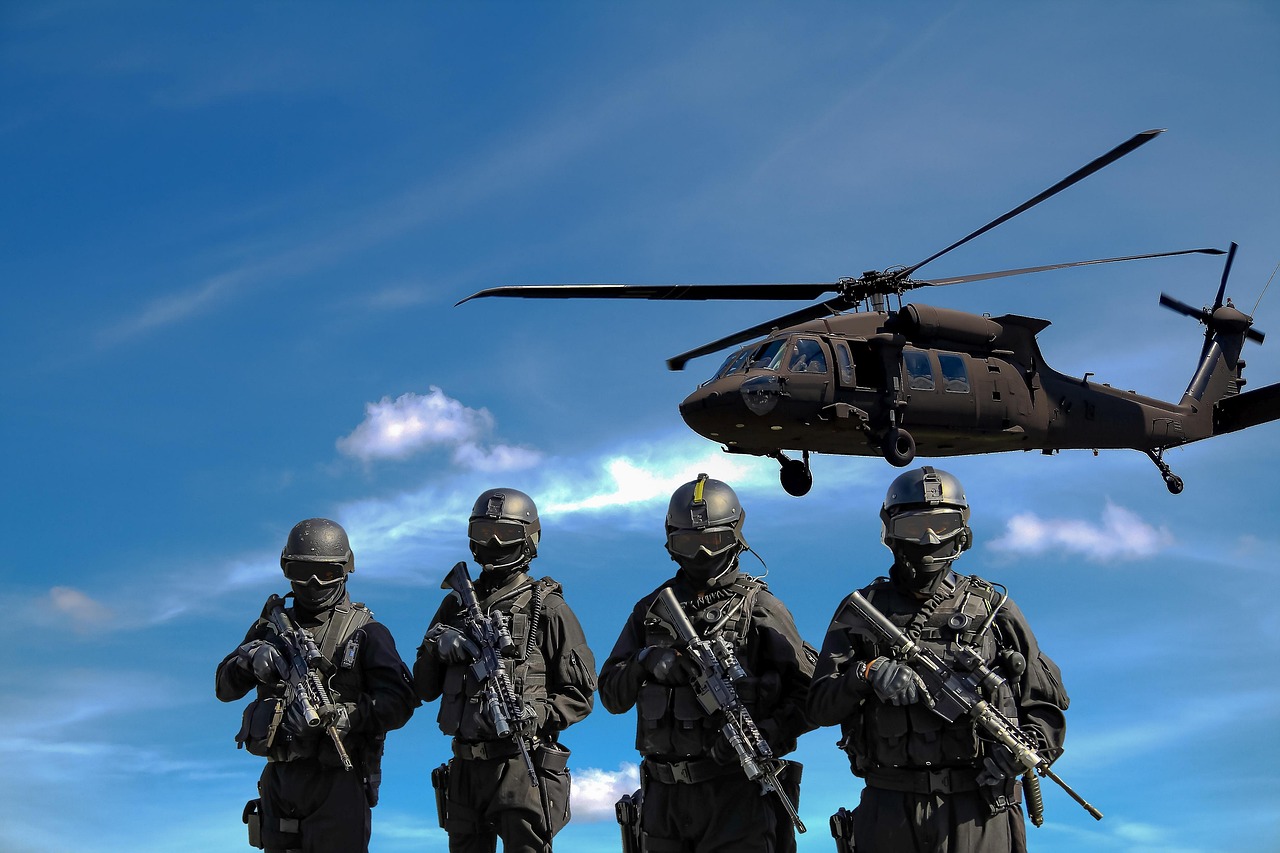
The U.S. Army recently conducted a live-fire exercise at Fort Magsaysay in the Philippines, where soldiers tested an innovative autonomous mortar system mounted on an Infantry Squad Vehicle (ISV). This exercise was part of the annual Balikatan 2026 joint military drills, which aim to enhance interoperability and readiness between U.S. and Philippine forces. The deployment of unmanned systems like this mortar platform signifies a shift towards integrating advanced technologies in conventional military operations.
The autonomous mortar system evaluated during the exercise represents a significant leap in battlefield capabilities, allowing for rapid and precise artillery support with minimal human intervention. By leveraging automation, the Army can increase its firepower while reducing the risk to personnel in dangerous combat situations. The system's ability to operate in real-time and adjust its targeting quickly based on battlefield conditions could provide a strategic advantage in future engagements.
The use of the ISV as a platform for the mortar system also highlights its versatility in modern warfare. These vehicles are designed to be lightweight and agile, making them suitable for various roles, including reconnaissance, transport, and now, precision fire support. The incorporation of autonomous systems into such platforms could pave the way for more efficient logistics and operational capabilities in joint exercises and actual combat scenarios.
Furthermore, the Balikatan exercises serve as a crucial venue for testing not only physical systems but also the integration of new technologies into military doctrine. As the U.S. military continues to face evolving threats in the Indo-Pacific region, the insights gained from these exercises will inform future strategies and equipment development. The success of this live-fire evaluation underscores the importance of harnessing unmanned systems to enhance combat effectiveness and maintain a tactical edge.
In an era marked by rapid technological advancements, the Army's focus on autonomous systems reflects a broader trend in military modernization. The integration of such capabilities into operational frameworks will likely play a significant role in how future conflicts are fought, particularly in environments where precision and speed are paramount. The ongoing partnership with the Philippines also reinforces U.S. commitments to regional security and cooperation, demonstrating how advanced defense technologies can bolster allied capabilities.