Air ·
U.S. Army Orders More FD-1 Drone Interceptors to Enhance Air Defense Capabilities
The U.S. Army has placed a significant order for FD-1 drone interceptors, reflecting an increasing focus on counter-drone technologies in modern warfare.
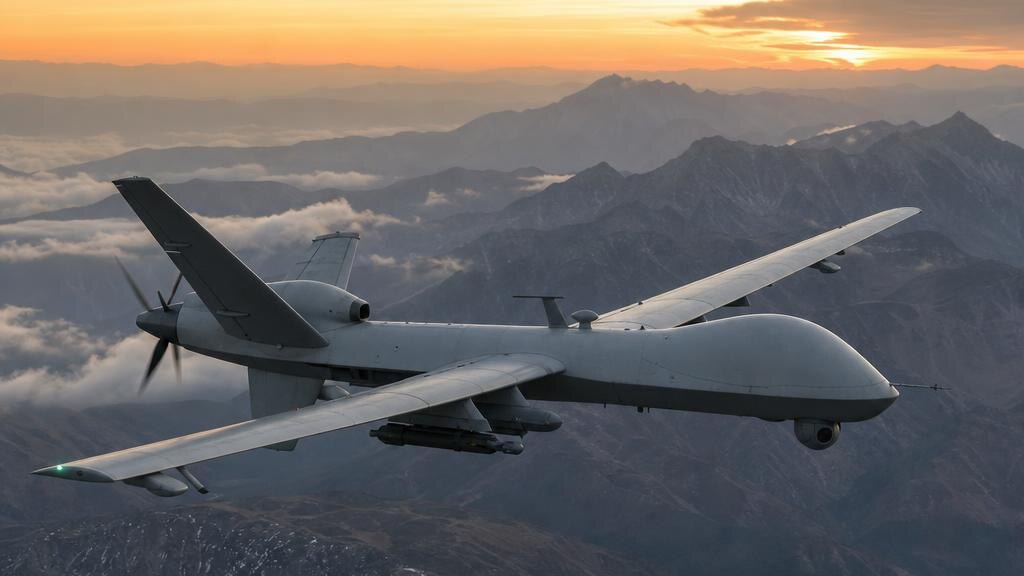
In a notable development for aerial defense, the U.S. Army has ordered additional FD-1 drone interceptors from Mountain Horse Solutions. This procurement, announced on October 8, 2026, comes less than a year after the system was first introduced to the Army. The FD-1 is designed for rapid deployment, allowing a single soldier to set up and launch the interceptor in under two minutes, showcasing its operational efficiency in a fast-paced battlefield environment.
The FD-1 drone interceptor is part of a broader trend within military forces to enhance their capabilities against the increasing threat posed by hostile drones. These unmanned aerial vehicles (UAVs) have become ubiquitous in modern conflicts, utilized for reconnaissance, precision strikes, and even swarm tactics. The FD-1's ability to engage and neutralize enemy drones positions it as a critical asset in the Army's air defense strategy, particularly in light of the growing sophistication of drone technology employed by adversaries.
The operational context for the FD-1 reflects a significant shift in how militaries are approaching air defense. Traditionally, air defenses focused on larger aerial threats, such as manned combat aircraft and missiles. However, the proliferation of smaller, more agile drones has necessitated the development of new countermeasures. The FD-1 is engineered to fill this gap, providing a dedicated solution for intercepting drones that can evade traditional radar and defense systems. This shift towards counter-drone technology is indicative of a broader recognition of the changing nature of aerial threats in contemporary warfare.
The significance of the FD-1 extends beyond its technical specifications. The system represents a response to lessons learned from recent conflicts, where drone swarms have been effectively utilized by state and non-state actors alike. For instance, in the ongoing conflict in Ukraine, both sides have employed drones for a variety of missions, highlighting the need for effective counter-drone measures. The FD-1's rapid deployment capability allows units to respond swiftly to aerial threats, enhancing battlefield survivability. This adaptability is crucial as military forces increasingly face asymmetric threats from adversaries who leverage drone technology to gain tactical advantages.
While the FD-1 offers promising capabilities, its integration into existing Army operations will not be without challenges. Training personnel to effectively operate and maintain these systems will be essential, as the rapid pace of warfare demands a high level of proficiency. Additionally, the Army must ensure that the FD-1 can operate in conjunction with other air defense systems to create a layered defense strategy. This integration will require careful planning and possibly adjustments in operational doctrine. The need for interoperability among various defense systems underscores the complexity of modern military operations, where multiple platforms must work in concert to achieve mission objectives.
Moreover, there are questions regarding the long-term sustainability of such systems. The cost-effectiveness of deploying drone interceptors like the FD-1 on a large scale must be carefully assessed. As the Army increases its reliance on unmanned systems, budgetary constraints and the need for maintenance and support infrastructure will play a crucial role in determining the feasibility of widespread adoption. The Army's budgeting process will need to account for not only the initial procurement costs but also the ongoing expenses associated with training, maintenance, and potential upgrades.
The U.S. Army's decision to increase orders for the FD-1 also highlights a broader trend within the defense industry towards developing more versatile and responsive aerial defense solutions. As military engagements become increasingly complex and dynamic, the demand for systems that can adapt quickly to emerging threats will continue to grow. The FD-1 could serve as a model for future developments in drone interception technology, setting a standard for speed, efficiency, and effectiveness. This trend reflects a shift in defense priorities, where agility and adaptability are becoming as important as traditional firepower.
In conclusion, the U.S. Army's order for additional FD-1 drone interceptors marks a significant step in enhancing its aerial defense capabilities. As drone technology continues to evolve, the ability to counter these threats will be paramount for military effectiveness. The FD-1 represents a proactive approach to addressing this challenge, but its successful integration into the Army's operational framework will require ongoing assessment and adaptation. The evolving landscape of aerial warfare necessitates that military forces remain agile, and the FD-1 is a critical component of this strategy moving forward. The Army's commitment to advancing its counter-drone capabilities underscores the importance of staying ahead of technological advancements in warfare, ensuring that it can effectively protect its forces and maintain operational superiority.