Air ·
U.S. Army Moves Forward with TITAN Production for Enhanced Intelligence Operations
The U.S. Army has awarded significant contracts to Palantir and Anduril for the production of the TITAN program, emphasizing advanced unmanned systems.
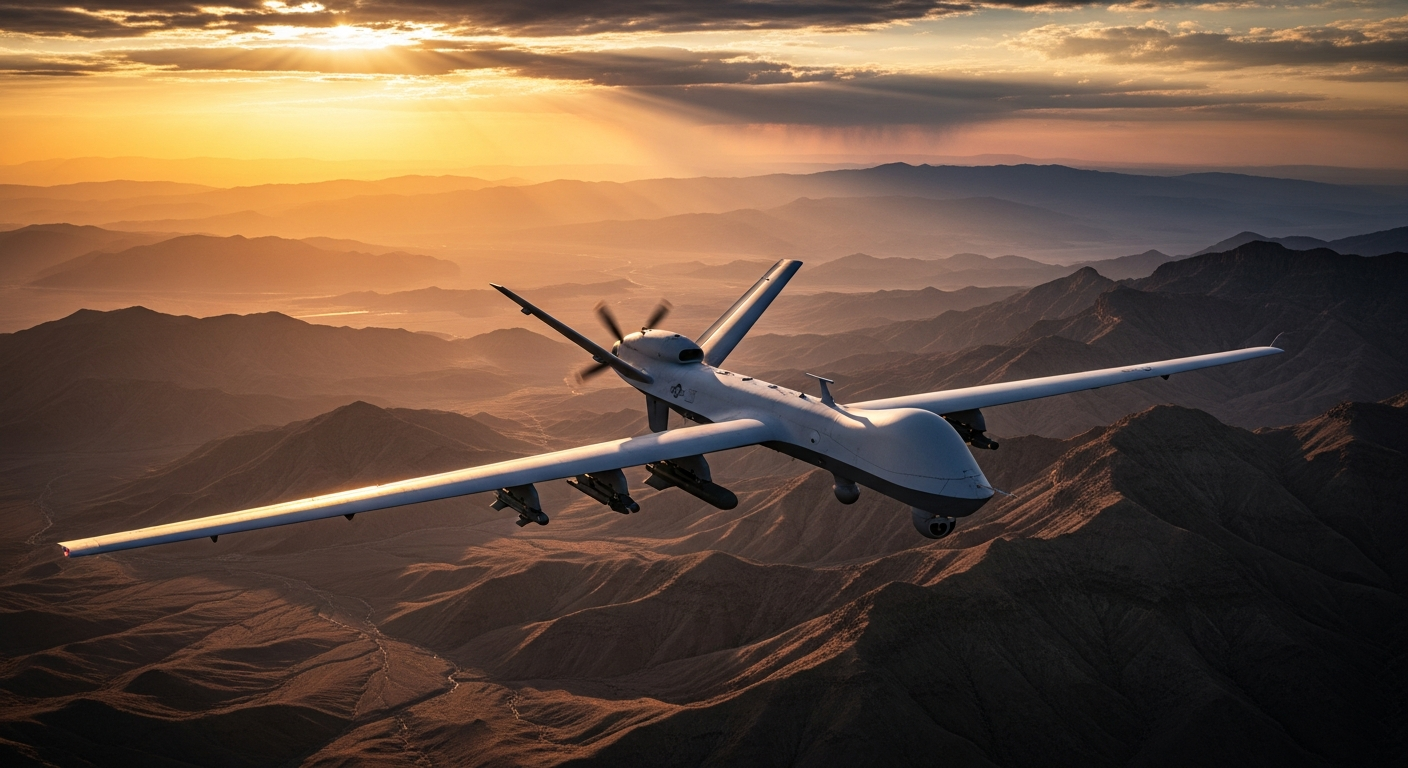
The U.S. Army has taken a significant step forward in enhancing its intelligence and reconnaissance capabilities by awarding a $192 million contract to Palantir Technologies and Anduril Industries for the production of the Tactical Intelligence Targeting Access Node (TITAN) system. This program represents a critical advancement in the Army's ability to integrate unmanned systems into its operations, providing real-time intelligence and data collection capabilities. As military operations become increasingly reliant on accurate and timely information, the implementation of TITAN is expected to streamline decision-making processes on the battlefield.
The TITAN system is designed to facilitate the rapid transfer of intelligence data from unmanned aerial vehicles (UAVs) and other sources, enabling commanders to make informed decisions based on comprehensive situational awareness. This capability is particularly vital in modern warfare, where the speed of information can determine the success of missions. The collaboration between Palantir and Anduril emphasizes the growing importance of public-private partnerships in developing cutting-edge military technologies.
As the Army transitions from the prototyping phase to full-scale production of the TITAN system, the focus will be on ensuring that the technology can effectively meet the operational demands of military personnel. This includes the ability to operate in contested environments, where traditional communication methods may be compromised. The integration of advanced AI and machine learning capabilities into the TITAN system will further enhance its effectiveness, allowing for predictive analytics and improved target identification.
The emphasis on unmanned systems within the TITAN program aligns with broader trends in military strategy, where the focus is shifting towards leveraging technology for enhanced operational capabilities. As adversaries increasingly employ advanced unmanned systems, the U.S. Army's investment in TITAN reflects a proactive approach to maintaining a technological edge in future conflicts. The program underscores the importance of evolving military capabilities to adapt to emerging threats on the battlefield.
In conclusion, the U.S. Army's commitment to the TITAN program signifies a pivotal moment in the integration of unmanned systems into military operations. By enhancing data collection and intelligence capabilities, the Army is positioning itself to respond effectively to the complexities of modern warfare, ensuring that its forces remain agile and informed in the face of evolving challenges.