Naval ·
U.S. Army Explores Unmanned Surface Vessel Options for Logistics Protection
The U.S. Army is considering the use of unmanned surface vessels to safeguard watercraft during contested logistics operations.
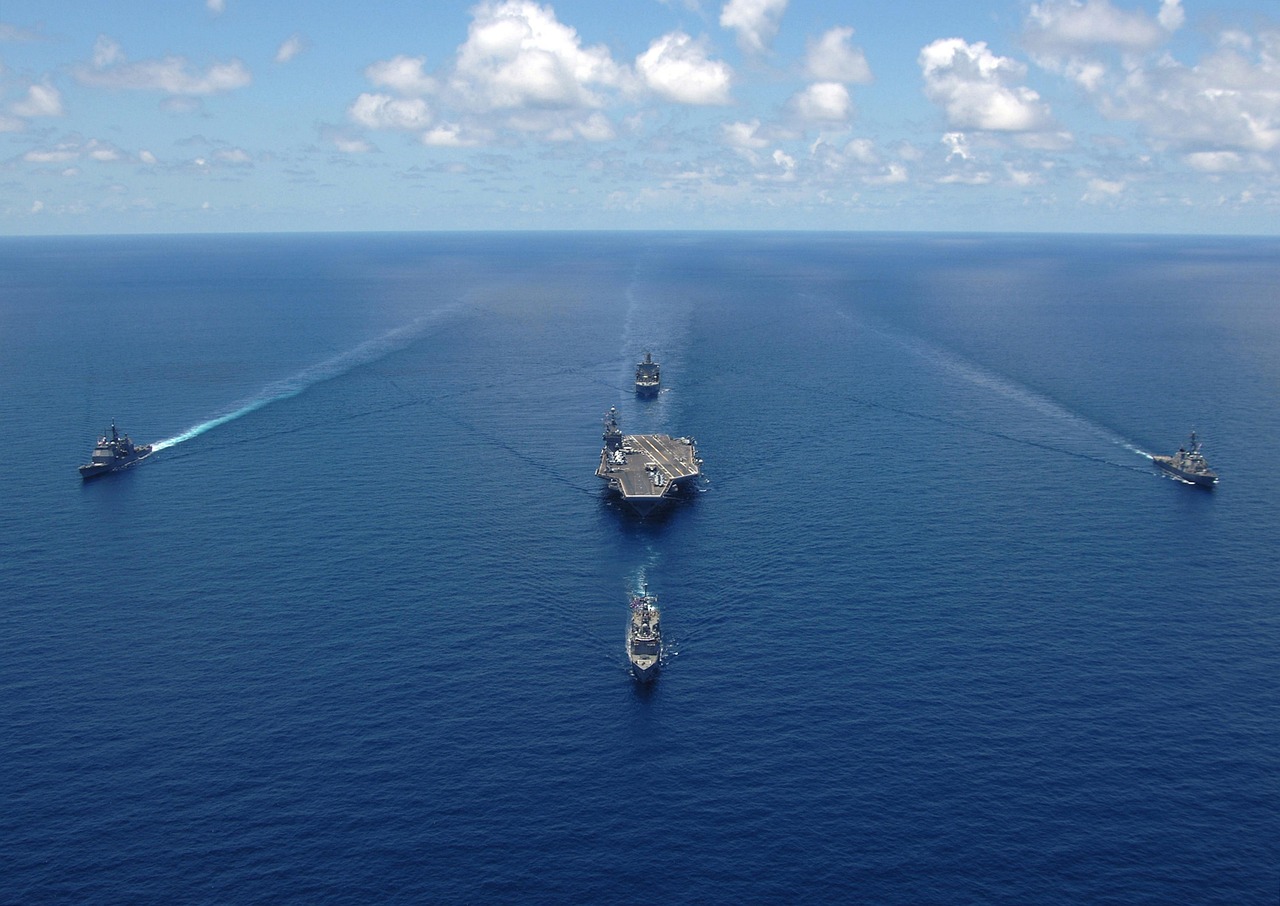
In a proactive move to enhance logistical operations, the U.S. House Armed Services Committee has urged the Army to explore the integration of unmanned surface vessels (USVs) for escort missions. This recommendation comes in response to growing concerns regarding the vulnerabilities faced by military watercraft in contested environments. By leveraging unmanned technology, the Army aims to bolster its logistical capabilities while ensuring the safety of personnel and equipment.
The use of USVs can play a critical role in modern military logistics, particularly in situations where traditional escort vessels may be at risk of attack. These unmanned systems can be deployed to perform reconnaissance, surveillance, and even offensive actions, providing a layered defense for manned vessels. The Army's interest in USVs reflects a broader trend of integrating unmanned systems across various branches of the military, as they offer cost-effective solutions to enhance operational effectiveness.
As military logistics become increasingly critical to sustaining operations in contested areas, the potential for USVs to protect watercraft against emerging threats is significant. These vessels can operate autonomously or be remotely controlled, allowing for flexibility in mission execution. Additionally, they can serve as a deterrent against adversarial actions, as their presence may complicate enemy targeting strategies.
Furthermore, the exploration of USVs aligns with the Army's ongoing efforts to modernize its fleet and adapt to evolving threats. By incorporating unmanned technology into logistical operations, the Army can enhance situational awareness and responsiveness, ultimately improving its overall mission success rates. This initiative could lead to the development of specialized USVs tailored for logistical protection, further enhancing the Army's capabilities.
As the U.S. military continues to innovate and adopt new technologies, the potential integration of unmanned surface vessels into logistical operations represents a significant step forward. The decision to consider USVs for escort missions is indicative of a strategic shift towards embracing unmanned systems in safeguarding vital supply lines and ensuring operational readiness in the face of contemporary threats.