Air ·
U.S. Army Explores Air Resupply Solutions for Cheyenne II MV-75
The U.S. Army is investigating air refueling capabilities for the Cheyenne II MV-75 to enhance logistical support in operations.
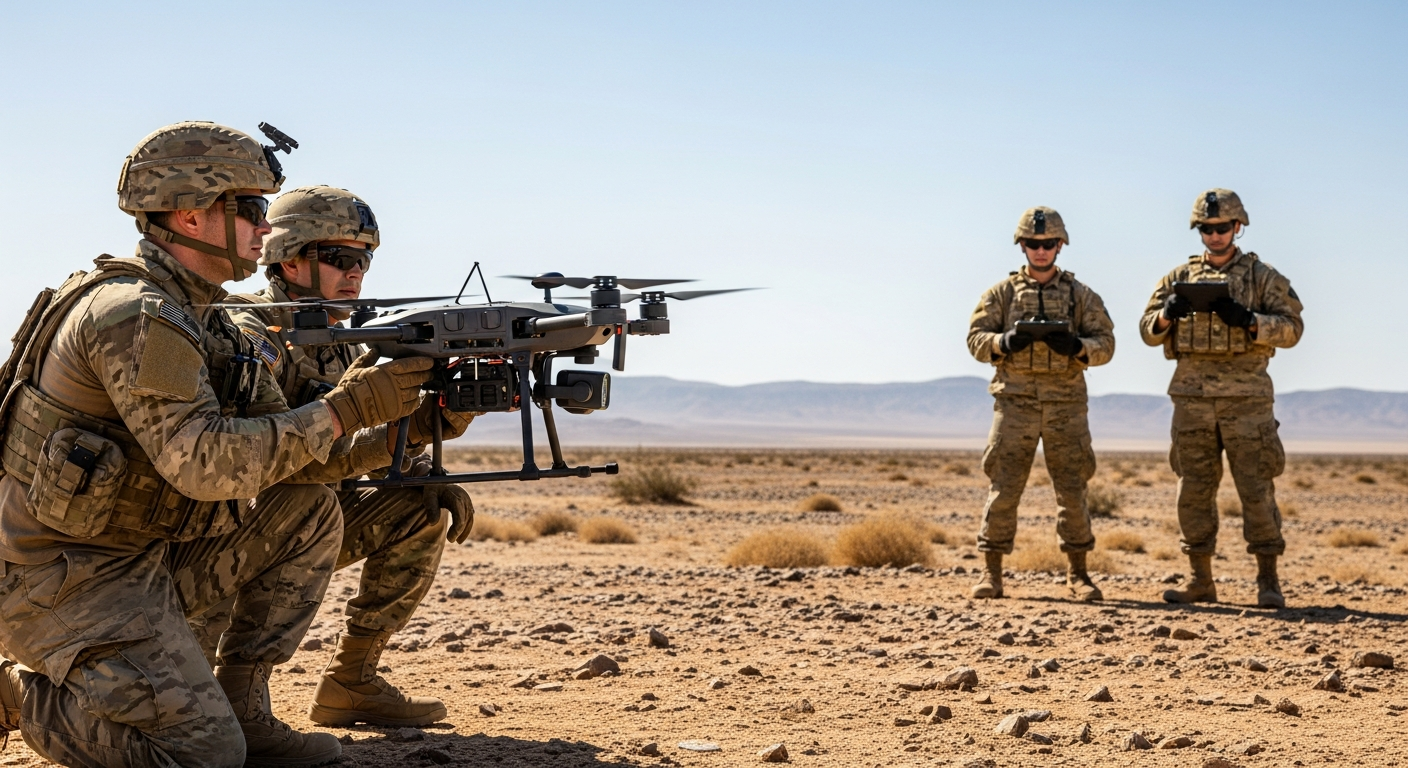
The U.S. Army is currently evaluating the need for air refueling capabilities for its Cheyenne II MV-75 unmanned aerial vehicle. This initiative aims to enhance logistical support for military operations, ensuring that the MV-75 can sustain longer missions without returning to base for refueling. As unmanned systems become more integral to modern warfare, the ability to provide logistical resupply in the air becomes increasingly critical.
The Cheyenne II MV-75 is designed to perform a variety of roles, including reconnaissance, surveillance, and potentially strike operations. However, one of the limitations of unmanned systems remains their operational range, often dictated by fuel constraints. By exploring air refueling options, the Army aims to extend the operational envelope of the MV-75, allowing it to conduct longer missions and provide continuous support to ground forces.
Maj. Gen. Clair Gill, head of Maneuver Air, emphasized the importance of developing organic logistics for the Army's unmanned systems. With a focus on improving the Army's self-sufficiency, the move to investigate air refueling capabilities signals a shift toward more integrated operations between manned and unmanned aircraft. The Army is looking to solve logistical challenges independently, which could lead to greater operational flexibility in the field.
As unmanned systems like the Cheyenne II MV-75 are increasingly employed in combat scenarios, the ability to refuel in the air could significantly enhance their utility. This capability would not only extend mission durations but also enable more dynamic response options in rapidly changing operational environments. By investing in such innovations, the Army reinforces its commitment to leveraging unmanned technology for future warfare.
In conclusion, the U.S. Army's exploration of air refueling for the Cheyenne II MV-75 reflects a broader trend toward enhancing the operational capabilities of unmanned systems. As combat demands evolve, the Army recognizes that logistical support must also adapt, ensuring that unmanned systems can operate effectively and sustain their missions over extended periods.