Air ·
U.S. Army Expands Its Arsenal with More Israeli Suicide Drones
The U.S. Army's recent order for more Israeli-designed suicide drones reflects a shift towards advanced unmanned combat capabilities.
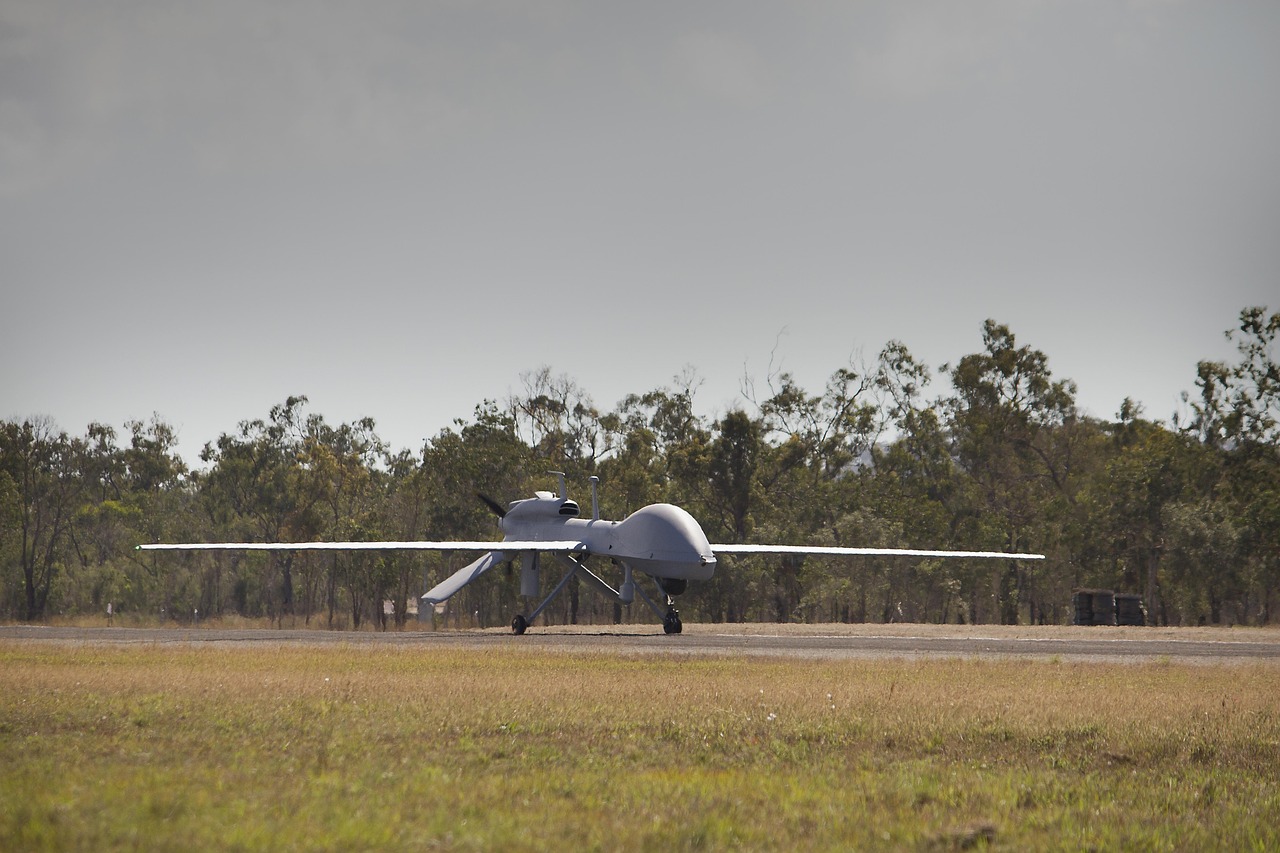
The U.S. Army has recently placed an order for additional Israeli-designed suicide drones, a development that underscores the increasing reliance on unmanned systems for tactical operations. These drones, capable of loitering over a battlefield and engaging targets with precision, have become an essential asset in modern warfare. The Army's move to procure more of these advanced systems highlights a strategic shift towards incorporating sophisticated unmanned technologies into combat scenarios.
Designed by Mistral Inc. and Uvision, these suicide drones can hover over an area for extended periods, allowing operators to monitor targets and execute strikes only when conditions are favorable. This capability not only enhances the effectiveness of battlefield operations but also reduces the risk of collateral damage by allowing operators to abort missions if the situation changes. Such flexibility is vital in complex combat environments, where situational awareness is critical.
The growing interest in suicide drones reflects a broader trend among military forces worldwide to adopt unmanned systems that can perform precision strikes with minimal risk to personnel. As nations face increasingly asymmetric threats from non-state actors and insurgent groups, the use of loitering munitions offers a strategic advantage. The ability to deploy these drones effectively can significantly alter the dynamics of engagement on the battlefield.
As the U.S. Army integrates these drones into its operational framework, it will need to address challenges related to command and control, as well as interoperability with existing systems. Effective integration will require training and adjustments to tactics, techniques, and procedures to ensure that personnel can maximize the potential of these unmanned systems in combat.
Looking into the future, the U.S. Army's investment in Israeli-designed suicide drones may pave the way for further advancements in unmanned combat capabilities. As technology continues to evolve, these systems could be enhanced with artificial intelligence and machine learning, further improving their effectiveness and expanding their operational roles. The integration of such technologies will be essential for maintaining a competitive edge on the modern battlefield.