Land ·
U.S. Army Evaluates Autonomous Ground Vehicles in Germany
The U.S. Army has tested various autonomous ground vehicles as part of its xTech|Edge Strike: Ground competition in Germany, assessing their potential for future operations.
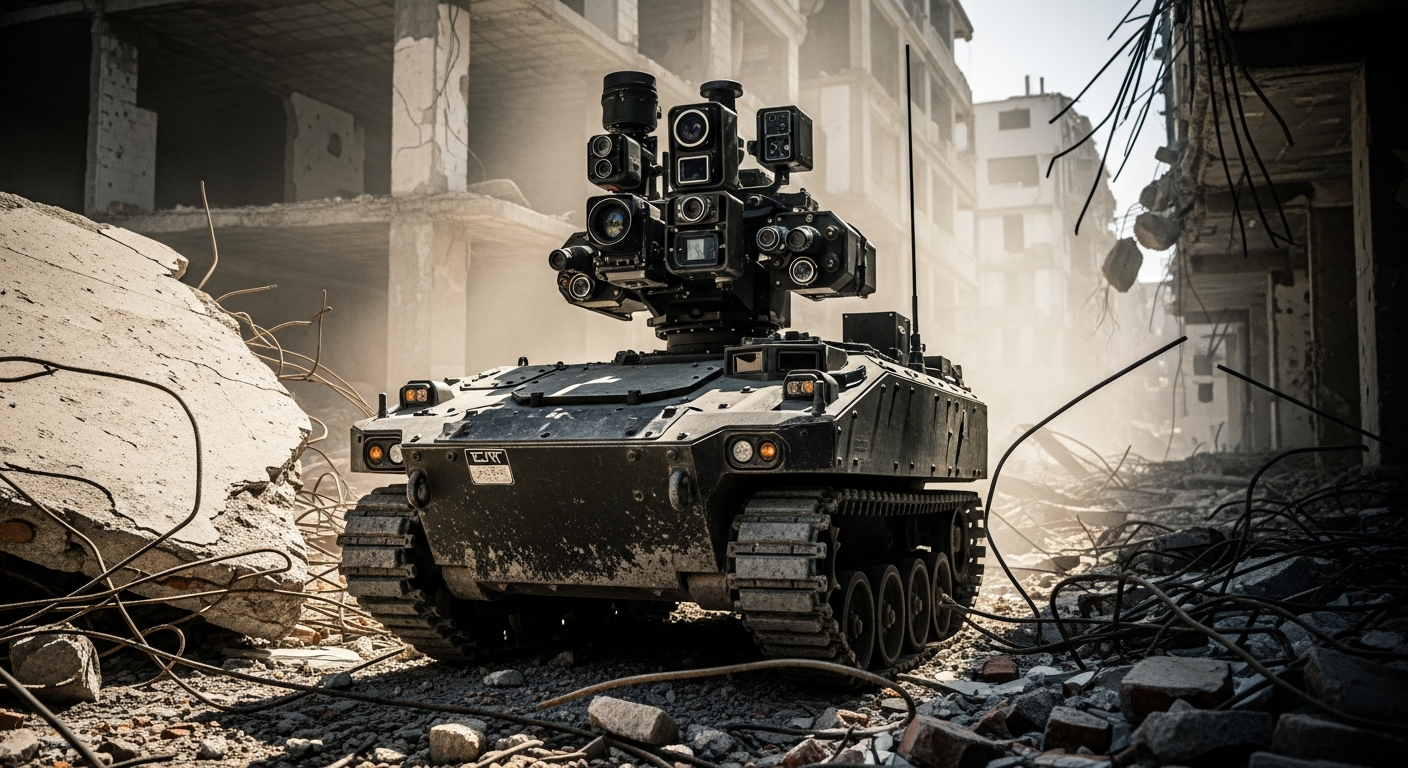
The U.S. Army recently concluded its xTech|Edge Strike: Ground competition in Vilseck, Germany, where it evaluated several autonomous ground vehicle technologies from various companies. This initiative aims to identify innovative unmanned systems that could enhance the Army's operational capabilities on the battlefield. By testing these technologies in a real-world environment, the Army seeks to determine their effectiveness and integration potential into existing military operations.
Autonomous ground vehicles have become increasingly important as militaries look for ways to improve efficiency and reduce risk to personnel. These vehicles can perform a variety of roles, from logistical support to reconnaissance and even combat operations. The Army's focus on testing these systems emphasizes its commitment to exploring new technologies that can provide a tactical advantage in future conflicts.
During the tests, participants showcased a range of capabilities, including navigation, obstacle avoidance, and autonomous decision-making. These features are crucial for ensuring that unmanned systems can operate effectively in dynamic and unpredictable environments typical of modern warfare. Furthermore, the insights gained from these tests will inform the Army's future acquisition strategies and operational planning.
The potential integration of autonomous ground vehicles into the U.S. Army could lead to significant changes in how ground operations are conducted. For instance, these vehicles could take over high-risk missions, allowing human soldiers to focus on more strategic tasks. As the Army continues to explore the capabilities of unmanned systems, it is likely that we will see a shift towards greater reliance on automation in ground warfare.
In conclusion, the U.S. Army's evaluation of autonomous ground vehicles in Germany is a critical step towards modernizing its operational capabilities. By investing in these technologies, the Army aims to enhance its effectiveness on the battlefield while ensuring the safety of its personnel, reflecting broader trends in military innovation and adaptation to emerging threats.