Air ·
U.S. Army Allocates Nearly $1 Billion for Small Counter-Drone Technologies
The Army's FY27 budget request includes significant funding to enhance capabilities against small unmanned aerial systems (UAS).
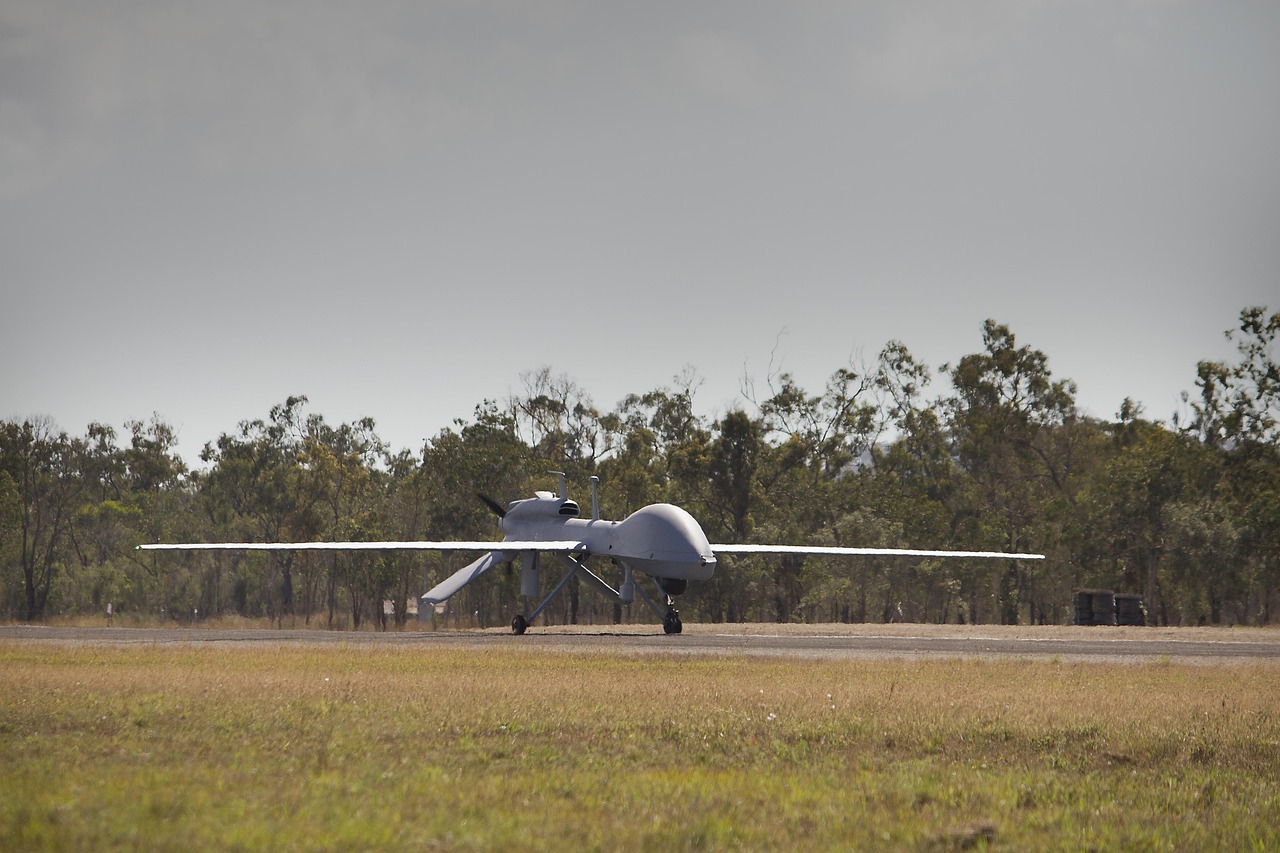
The U.S. Army is making a substantial investment in counter-drone technologies as part of its fiscal year 2027 budget request, earmarking nearly $1 billion specifically for small counter-unmanned aerial system (c-UAS) initiatives. This funding reflects the increasing recognition of the threats posed by small drones on the modern battlefield, where adversaries are increasingly employing these systems for surveillance and attack purposes.
The decision to allocate such a significant budget is indicative of the Army's commitment to enhancing its defensive posture against evolving aerial threats. Small drones have been effectively utilized by various non-state actors and adversaries, prompting the Army to prioritize the development and procurement of effective countermeasures. This funding will support a range of technologies designed to detect, track, and neutralize small drones before they can pose a risk to personnel and assets.
The investment in small c-UAS capabilities also aligns with broader military trends focused on integrating unmanned systems into joint operations. The Army is exploring various solutions, including electronic warfare systems, kinetic interceptors, and advanced radar technologies, to create a multi-layered defense against small drones. This comprehensive approach underscores the necessity of adapting to the complexities of modern warfare, where the ability to counter small UAV threats can be a decisive factor in achieving mission success.
Moreover, as the Army continues to develop its c-UAS capabilities, collaboration with industry partners will be crucial. Engaging with commercial entities can facilitate innovation and expedite the deployment of effective counter-drone systems. In a rapidly evolving technological landscape, maintaining a competitive edge against potential adversaries will require a sustained commitment to research, development, and procurement efforts focused on countering small unmanned threats.