Air ·
U.S. Air Force Tests Unmanned Fighter Jets in Combat Exercise
The U.S. Air Force has successfully integrated unmanned fighter jets into a real-world combat exercise, marking a significant step forward in the development of collaborative aerial combat capabilities.
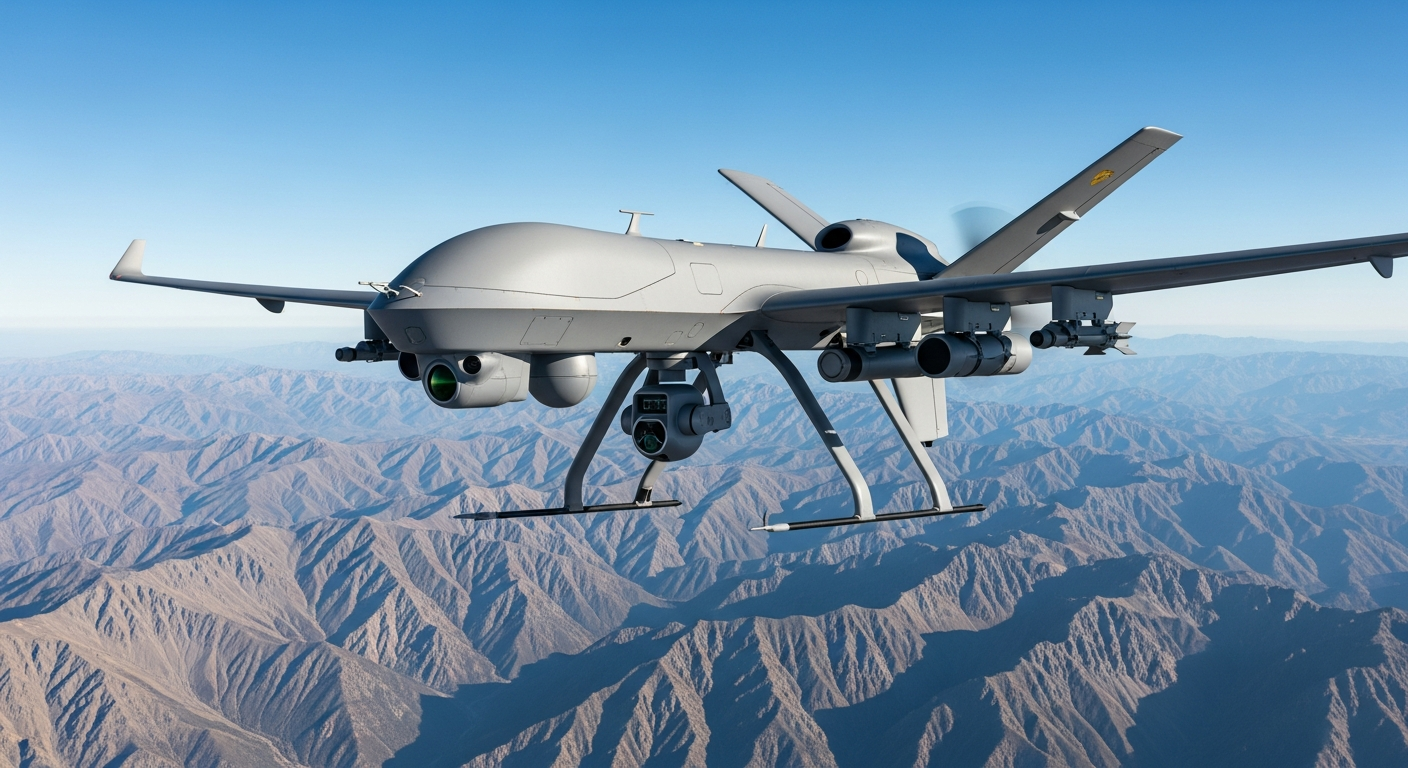
In a groundbreaking development for military aviation, the U.S. Air Force recently conducted its first operational exercise featuring unmanned fighter jets. This exercise took place in the Nevada desert, where the unmanned aircraft demonstrated their ability to fly and engage alongside manned aircraft in a realistic combat scenario. The event represents a pivotal moment in the U.S. military's efforts to harness the potential of unmanned systems in aerial warfare.
The unmanned fighter jet, designed to operate in tandem with human pilots, is part of a broader initiative within the Air Force to enhance combat effectiveness and reduce risks to personnel. By leveraging advanced technologies, these unmanned aircraft can perform missions traditionally reserved for piloted jets, such as reconnaissance, air superiority, and precision strikes. This capability not only augments the combat fleet but also opens avenues for innovative tactics in future conflicts.
The successful integration of unmanned jets into a combat environment reflects the Air Force's commitment to modernization through the use of artificial intelligence and autonomous systems. With the ongoing evolution of drone technologies, these unmanned aircraft are expected to play a vital role in future air operations, particularly in contested environments where pilot safety may be at risk. Such advancements also align with the U.S. military's strategy of maintaining air superiority against potential adversaries.
As unmanned systems continue to gain prominence in military operations, the Air Force's exercise serves as a crucial testbed for evaluating their capabilities and operational integration. Future exercises will likely focus on refining the coordination between manned and unmanned assets, enhancing situational awareness, and improving overall mission effectiveness. The potential for unmanned fighter jets to conduct high-risk missions while human pilots manage other critical tasks could redefine air combat strategies.
In conclusion, the U.S. Air Force's successful testing of unmanned fighter jets in a real-world combat exercise represents a significant leap forward in military aviation. As these technologies mature, they will undoubtedly reshape the landscape of aerial warfare, providing the U.S. military with enhanced capabilities to address emerging threats effectively.