Air ·
U.S. Air Force Seeks Innovative Solutions to Counter Small UAV Threats
The U.S. Air Force has issued RFIs to develop systems for tracking and neutralizing small unmanned aerial systems.
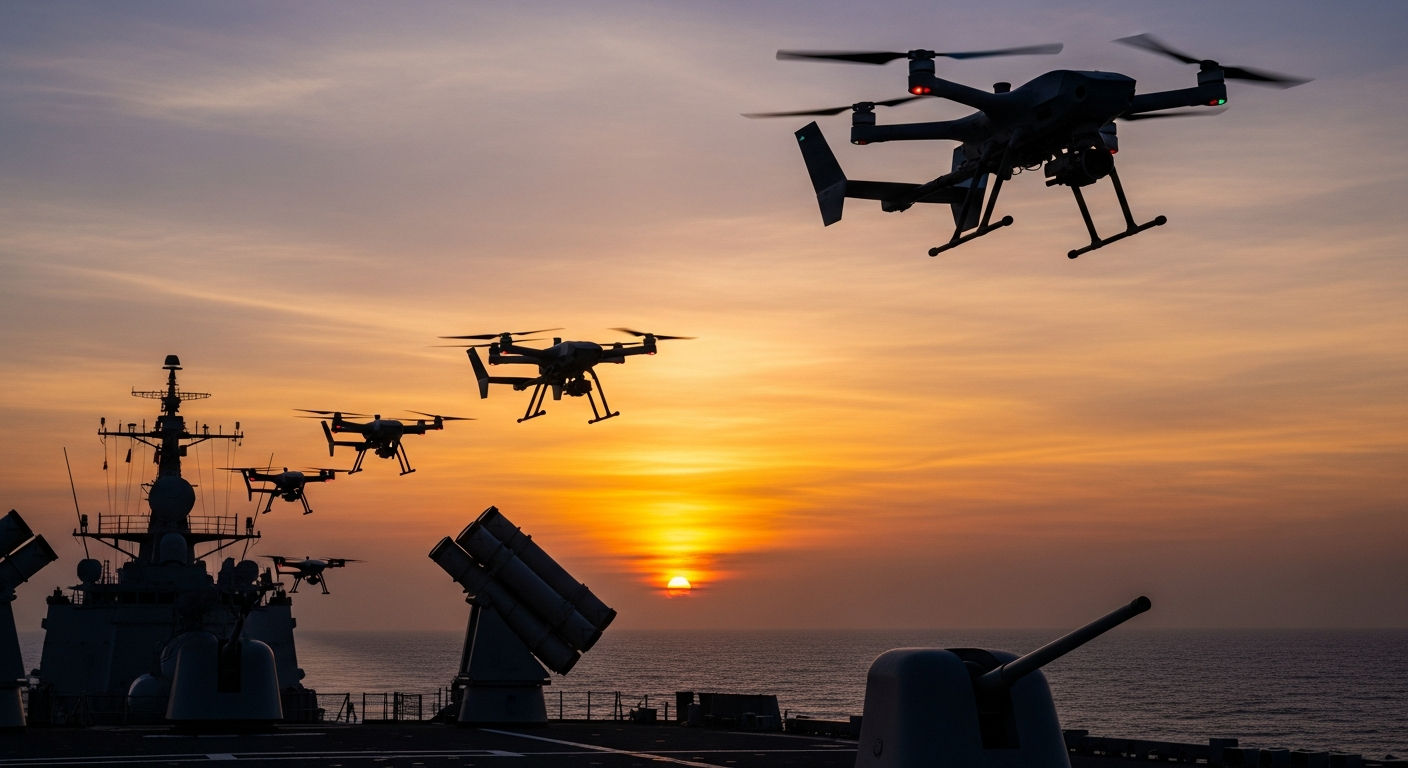
In response to the growing threat posed by small unmanned aerial vehicles (UAVs), the U.S. Air Force has initiated two Requests for Information (RFIs) aimed at sourcing innovative solutions for drone detection and neutralization. As military bases and installations face increasing vulnerability to drone attacks, the need for effective counter-drone systems has become paramount. The RFIs underscore the Air Force's commitment to bolstering base defense mechanisms against evolving aerial threats.
The focus on small UAVs is particularly relevant given their widespread use in recent conflicts and by various non-state actors. These drones are often inexpensive and easy to deploy, making them an ideal choice for asymmetric warfare tactics. The Air Force’s quest for hard-kill solutions indicates a shift towards more aggressive countermeasures, aiming to not only detect but also neutralize these threats before they can cause harm.
A multitude of technologies could be employed in response to the RFIs, ranging from advanced radar systems to electronic warfare capabilities. The integration of artificial intelligence (AI) could also play a significant role in improving detection accuracy and response times. As the threat landscape continues to evolve, the Air Force is seeking to leverage cutting-edge technology to ensure that its defense strategies remain ahead of potential adversaries.
This initiative aligns with broader trends within the military to enhance counter-drone capabilities across all branches of the armed forces. The increasing frequency of drone incursions has necessitated a comprehensive approach that includes both detection and destruction of hostile UAVs. By seeking external ideas and technologies, the Air Force aims to foster innovation and ensure it is well-prepared for future challenges on the battlefield.
In conclusion, the U.S. Air Force's proactive stance in addressing small UAV threats reflects the changing dynamics of modern warfare. As unmanned systems become more prevalent, developing effective countermeasures will be crucial for maintaining operational security and protecting personnel and assets.