Air ·
U.S. Air Force Moves Forward with Collaborative Combat Aircraft Production
The U.S. Air Force has awarded production contracts for its first Collaborative Combat Aircraft to enhance aerial capabilities.
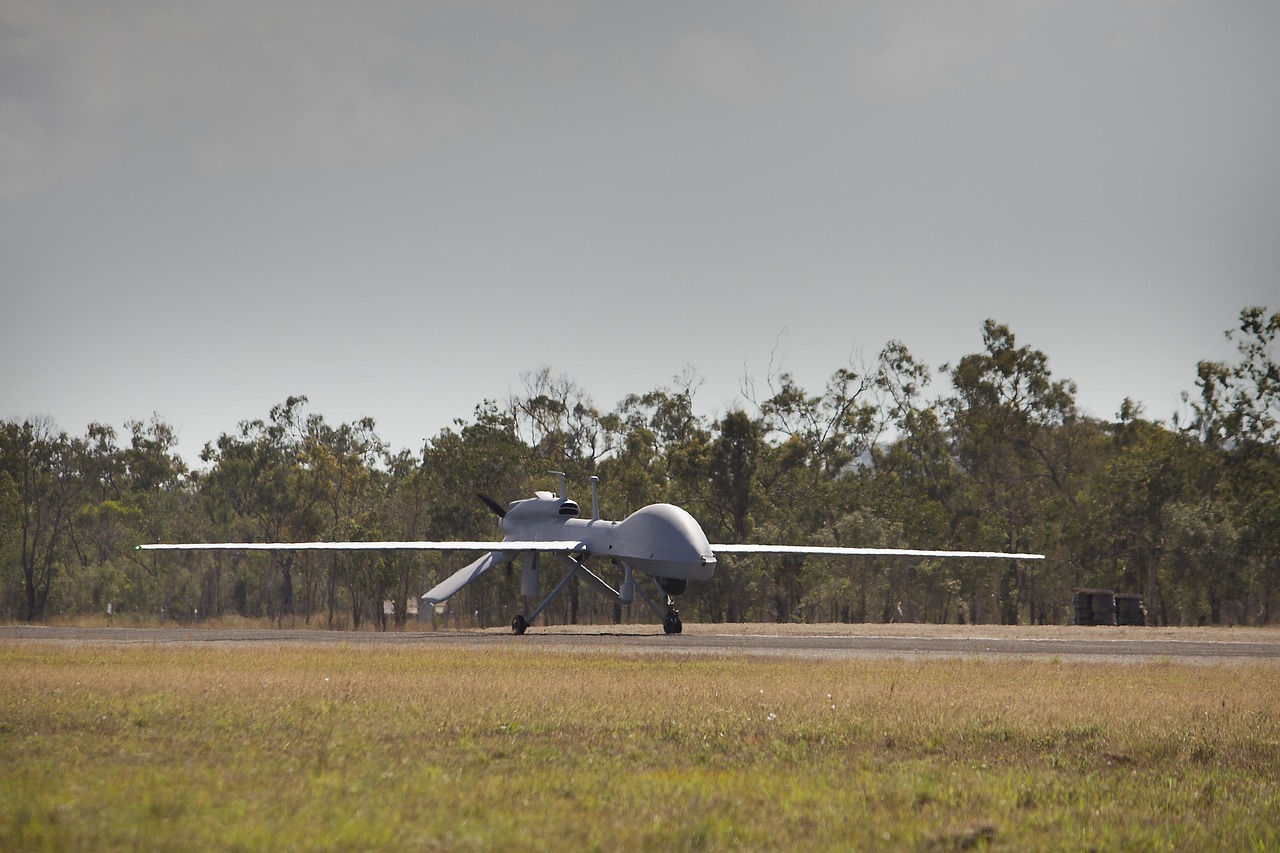
The U.S. Air Force has taken a significant step towards modernizing its fleet with the award of production contracts for Collaborative Combat Aircraft (CCA) to industry leaders General Atomics and Anduril. This initiative marks a pivotal moment in the development of unmanned aerial systems, aiming to create a new generation of drones that work in tandem with manned aircraft to enhance combat effectiveness. The CCAs are designed to operate alongside existing fighter jets, providing support in various mission profiles, including reconnaissance, surveillance, and strike operations.
The integration of CCAs into the Air Force's operational framework reflects a broader strategy to leverage advanced technologies in the face of emerging threats. By employing unmanned systems that can communicate and collaborate with piloted aircraft, the Air Force aims to create a more adaptable and responsive aerial combat environment. This approach not only maximizes the capabilities of existing platforms but also reduces risks to pilots in high-threat scenarios.
The decision to advance CCA production comes amid rising competition in the global defense landscape, particularly with adversaries like China and Russia rapidly modernizing their military capabilities. By investing in unmanned systems, the U.S. Air Force seeks to maintain its technological edge and ensure superior operational effectiveness in potential conflict scenarios. The CCA program is expected to evolve over time, incorporating lessons learned from ongoing operations and advancements in artificial intelligence and autonomous systems.
As the Air Force prepares to move forward with this program, the focus will be on developing robust testing and evaluation processes to ensure the reliability and effectiveness of these new unmanned platforms. Additionally, collaboration with industry partners will be crucial in refining the design and capabilities of CCAs, aligning them with the operational needs of the Air Force. The successful implementation of this initiative will not only enhance the U.S. military’s aerial capabilities but also set a precedent for future developments in unmanned combat systems.
In conclusion, the awarding of contracts for Collaborative Combat Aircraft signifies a transformative shift in how the U.S. Air Force approaches aerial combat. The integration of unmanned systems into its operational strategy is poised to redefine the dynamics of air warfare, providing enhanced capabilities and adaptability in an increasingly complex global security environment.